

Millions of people plan their weekends around a visit to virtual reality.
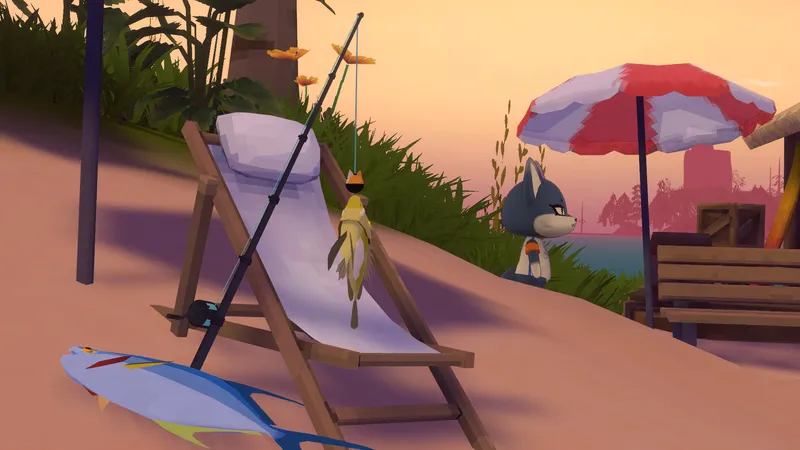
Solid total figures are hard to come by given the competitive nature of the immersive industry. A great many people are solo flying or driving in VR headsets, and spending time in single-player offline virtual worlds where they watch movies in virtual theaters, shoot at virtual gun ranges, bowl at virtual alleys, fish at virtual ponds, or play games in virtual apartments. In many cases, the designers of these digital spaces have zero interest in tracking the usage of the visitors to the spaces they've made.
Our systems for tracking and monetizing actions on the Internet and on Earth are alien to a generation learning to entertain themselves distributing spaces online to anyone who might wish to exit reality for half a day of headset sim and chill. For all intents and purposes, these people are pretty much just packing up in reality after the week is done with them and setting off for parts unknown in VR with the freedom of the weekend.
When it comes to going online and interacting with others, some of the most popular destinations in headset, like VRChat and Rec Room, also have flat-screen editions that make it difficult to cut out a singular figure on how many people are wearing a VR headset and being transported at any given moment. And in some of these places, where the servers need to scale constantly to accommodate fluid interactions delivered everywhere, there's a constant flow of people arriving and departing in and out of headsets.
On New Year's Eve, nearly 150,000 people spent the holiday in VRChat worlds, a majority of them in headset while setting a concurrent user record as the calendar changed from 2025 to 2026 across the United States. Then, last Saturday January 10, 2026 at 10 a.m. Pacific, Another Axiom's planet of apes received an off-world visitor and broke their own record too.
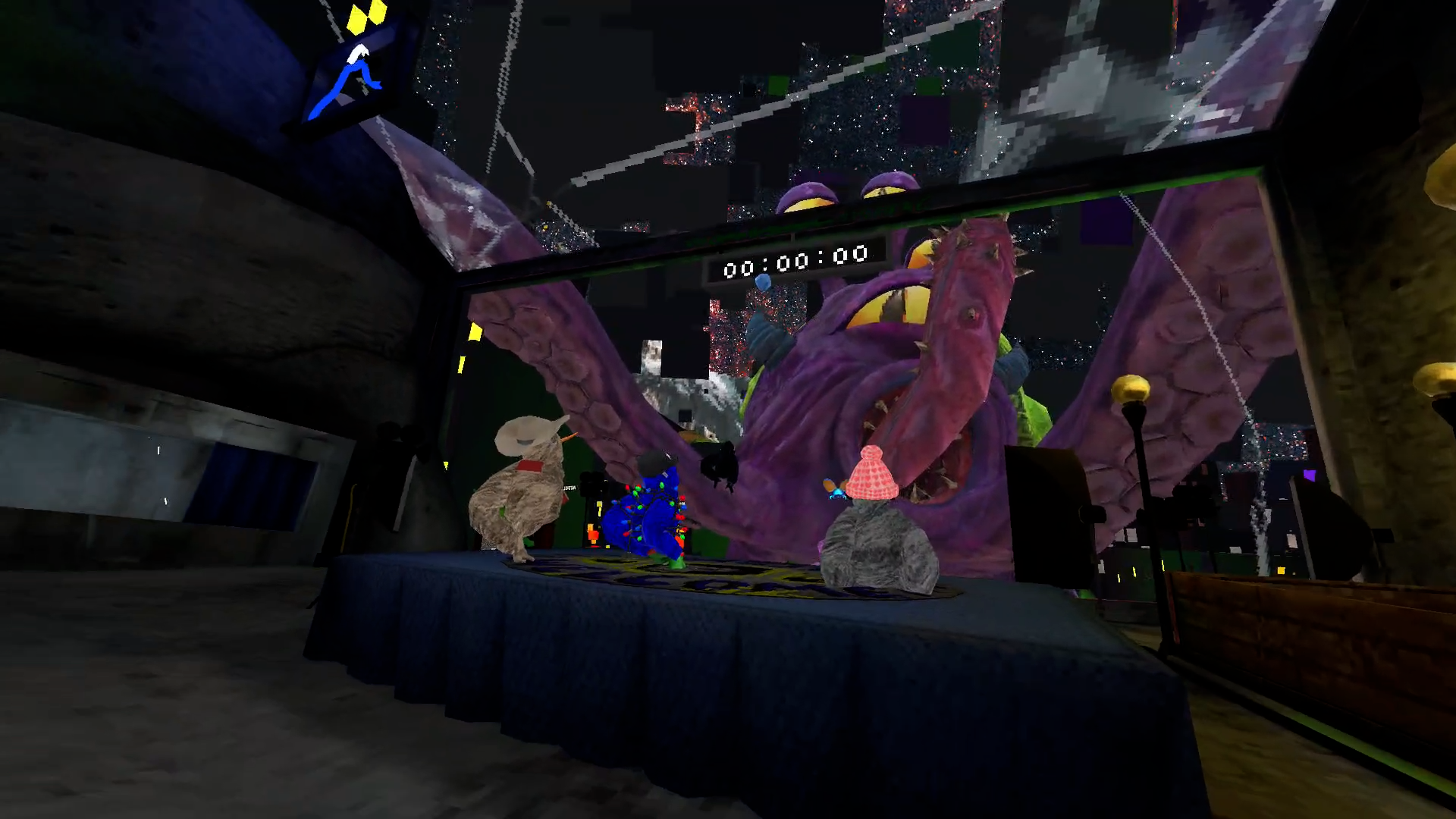
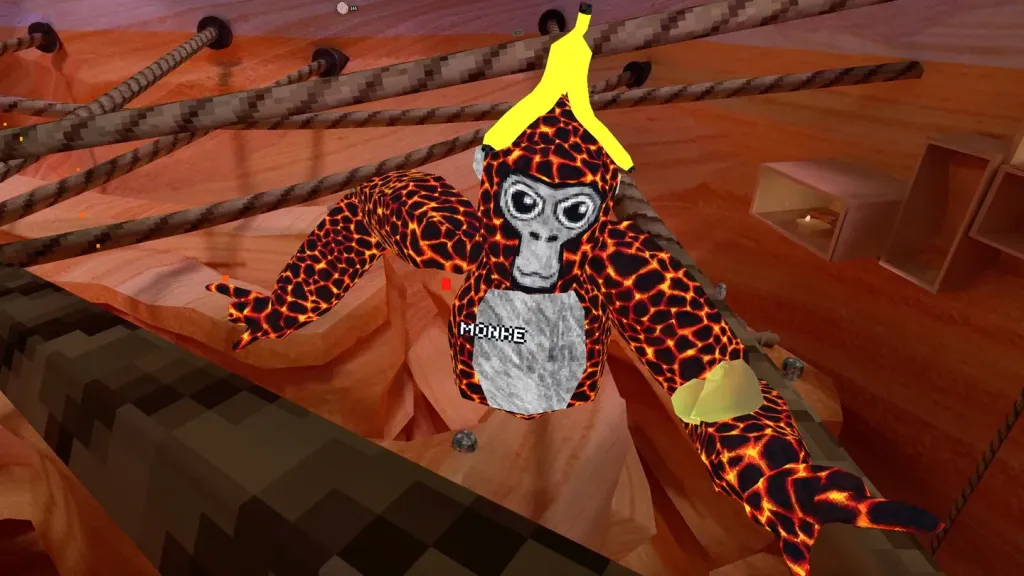
The alien's arrival in Gorilla Tag was preceded by a long build-up of lore that kicked off with the sighting of a green dot visible to everyone in the sky. According to Another Axiom, more than 110,000 people put on their headsets at the same time to witness the green comet collide with the planet, a moment executed as a once-in-a-lifetime live event hosted exclusively in virtual reality. More than 1 million unique users accessed Gorilla Tag in headset from Friday to Sunday, according to Another Axiom.
"Live Events are the modern version of Must See TV," wrote Jake Zim, Another Axiom Chief Marketing Officer.
Virtual worlds are becoming important and reliable destinations for the adults and teens up at midnight partying like it's 2050 in VRChat, and kids gathering a few weeks later to witness a comet in Gorilla Tag as well as countless more dipping in and out of other virtual worlds. As Meta shifts its hiring focus again and institutes another round of layoffs this week, I've put together this piece in hopes of shifting the broader narrative.
These narratives should probably acknowledge some things about VR.
VR Is Science & The Metaverse Is Fiction
VR was around as an idea with "presence" and its relationship to focus studied as a concept for years by researchers before Mark Zuckerberg started Facebook. To put a finer point on it, the metaverse is science fiction and virtual reality is studied in science.
Author Neal Stephenson wrote of the metaverse in Snow Crash while William Gibson wrote of the cyberdeck in Neuromancer and both are impactful works of science fiction today. Meanwhile, in actual real world VR headsets, researchers recently worked out the user interface that would let robots make actual deliveries to a person in headset without disturbing them from their virtual environment.
If VRChat and Gorilla Tag were cities, or public venues, then virtual reality in 2026 is already regularly accommodating roughly 100,000 people per place at one time. They're not all in the same exact room in each locale, but the people who go to these places (usually on the weekend) experience a sense of togetherness something like what other generations in a different century felt spotting Hale-Bopp in the sky together, or singing karaoke and counting down to midnight in a happy room with friends.
"Gorilla Tag itself, and I think the VR ecosystem, is reliant on a low cost headset that is parent-trusted and kid-friendly and sold in the toy aisle," Zim said over a voice call. "The health of the ecosystem is driven by the audience that is spending on the platform, and that audience is the younger audience, the Gorilla Tag audience."
Last weekend, Apple broadcast a whole live Lakers game from some of the first Apple Immersive VR cameras bringing Vision Pro owners closer than courtside seats. Later this week in Walkabout, a new mini golf theme park will release representing the creative output of a couple dozen artistic souls who complete the full loop of VR as an engine of creation. They build courses together in headsets more like chefs in the kitchen than architects making blueprints, even if their output is still architecture.
Former Oculus CTO and technical adviser to Meta John Carmack once sat with a triple monitor setup behind him and explained to VR's biggest believers what might be ahead for Meta's next few years trying to brute force the creation of a metaverse:
"Setting out to build the metaverse is not actually the best way to wind up with the metaverse...the metaverse is a honeypot trap for architecture astronauts," he warned. "Mark Zuckerberg has decided now is the time to build the metaverse....my worry is we could spend years and thousands of people possibly and wind up with things that didn't contribute all that much to the ways that people are actually using the devices and hardware today...we need to concentrate on actual products rather than technology, architecture, or initiatives."
Those interested in sharing anything relevant to VR usage can message 1-949-610-3857 or email ian@uploadvr.com.