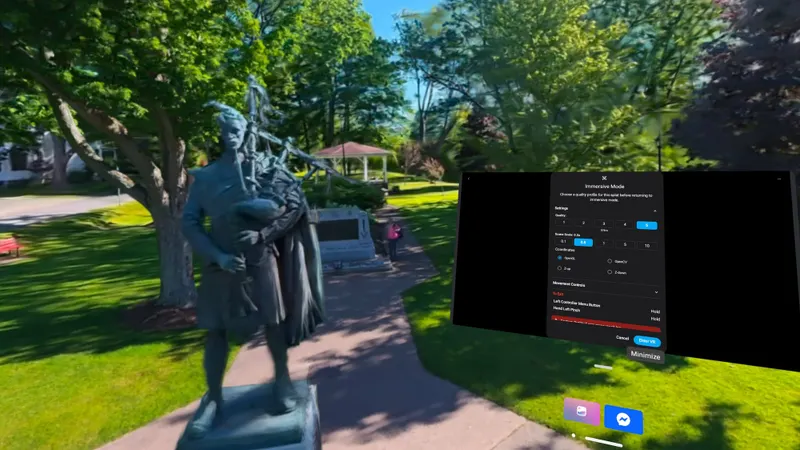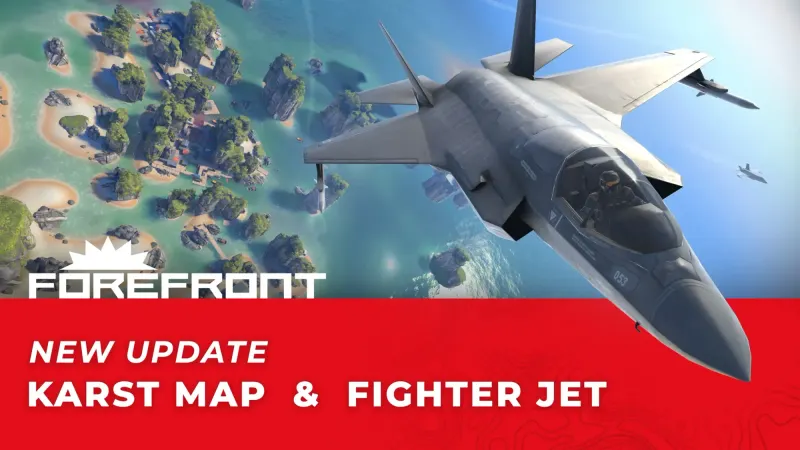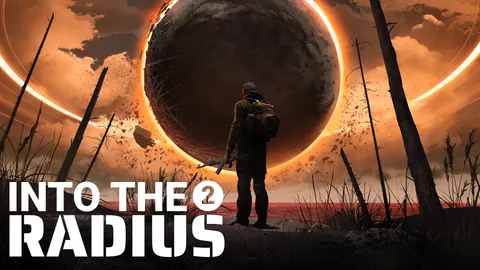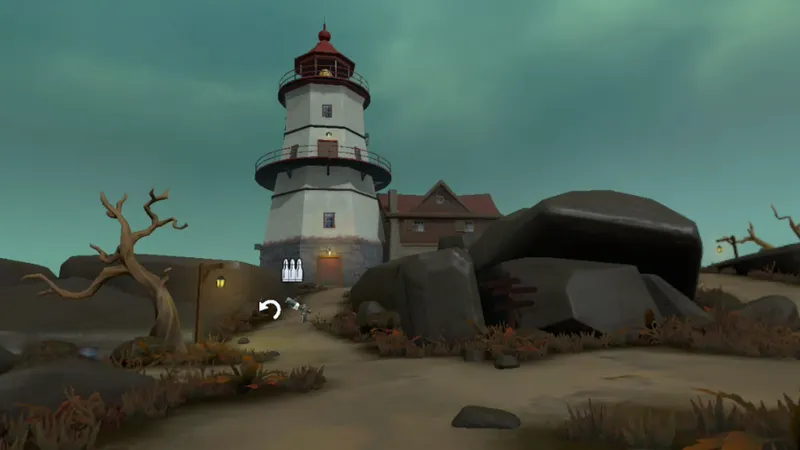
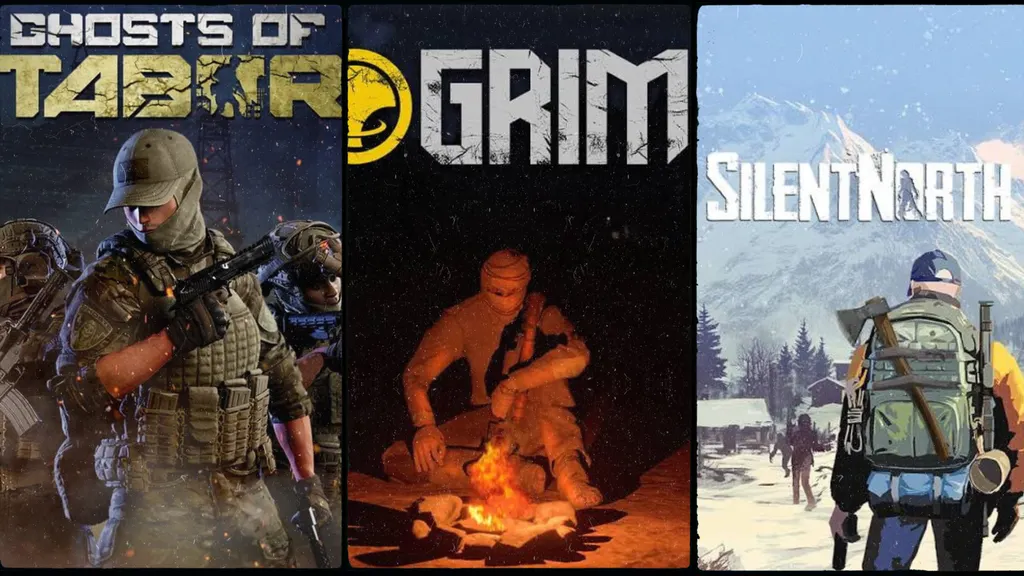
Combat Waffle Studios' Ghosts of Tabor, Grim, and Silent North will soon have a new publisher as original publisher Beyond Frames is selling the publishing rights to a new company for $1 million.
We cannot confirm who the new company is yet, but the purchase will be split across four payments over the next four years: $300,000 in 2026 and 2027, $250,000 in 2028, and $150,000 in 2029. Per Beyond Frames (Teenage Mutant Ninja Turtles: Empire City), the sale amount exceeds the expected net revenue for the rest of this year and matches the forecasted revenue through 2028.
The partnership between the two companies was first announced in early 2023 and extended in late 2023 with Beyond Frames signing on for two more titles, presumably Grim and Silent North.
Why Does This Matter
From the Beyond Frames side, it represents the opportunity to cash out a long term deal early, allowing for quicker investments into new projects, internally or externally. In addition to its own projects from in-house studios like TMNT: Empire City, Escaping Wonderland, and Carly and the Reaperman, Beyond Frames has published the aforementioned three Combat Waffle titles, arcade shooter Ark & Ade, arm based platformer Outta Hand, hand-tracked puzzle game Silhouette, and hack-and-slash action title Mixture. Playing the long game with an aging title, especially after two subsequent releases did not see the same success, is riskier than taking the cash now and moving on.
For Combat Waffle Studios, we do not know the specifics of its deal with Beyond Frames, but CEO Scott Albright implied that the relationship had run its course in a post on LinkedIn:
Yesterday, Beyond Frames announced the sale of the publishing rights for Ghosts of Tabor, Silent North, and GRIM.
We'll have much more to share soon, but I wanted to say one thing today.
Over the last few years, I've learned that a publishing agreement is about far more than what's written on paper.
You can have a good contract.
But what really matters is having a partner whose goals, communication, and vision align with your own.
That's something every independent studio should think carefully about before signing any deal.
Ghosts of Tabor has presumably done quite well, earning $30 million in revenue by the time it launched on PlayStation VR2 and last week's release of Ghosts of Tabor: Legacy already has 1,100+ ratings on the Meta Horizon Store less than a week post release. However, Silent North and GRIM have not seen nearly the amount of acclaim, judging from the store ratings and reviews. For the record, Legacy lists Combat Waffle as both developer and publisher.
For a lot of independent studios, the revenue generated from one release provides the financial resources to support the team until the next project is ready to ship. Now presume that one or two subsequent projects do not do nearly as well. The aforementioned $30M from Tabor can be drained very quickly in development of new projects, so if said projects do not maintain the revenue flow, that money has to be made up somewhere. Combat Waffle already announced layoffs earlier this year. Ghosts of Tabor, for all of its success, will not be a huge money driver forever. Very few games are, especially in a niche market like VR. This is where a good publisher, particularly one that believes in a developer's vision and projects, is a lifeline.
How Publishing Deals Work
These deals vary and tend to be specific to the project at hand, but in a general sense, the publisher will either give the developer a lump sum of money to keep the development team financially solvent as described above or take a percentage of the game's revenue upon release in exchange for assistance with things like marketing, acquiring permits and rating board approvals for distribution in different regions, and producing assets for storefront listings. Sometimes a deal includes all of those things.
The publisher then makes its money back either through a percentage of the game's revenue upon release into perpetuity (or expiration of the deal) or taking up to one hundred percent of the game's revenue until a certain amount is reached, like 125% of upfront investment. In layman's terms, that means if a publisher provides $1M upfront, the game has to generate $1.25M in revenue before the developer ever sees a penny of profit. That doesn't even take into account the 30% storefront fees that Meta, Sony, Steam, and others take off the top of those game sales.
Factoring all of that in, a publishing deal is a gamble for both publisher and developer. The developer has to believe the game will sell well enough to 'repay' the publisher for its upfront cash investment and/or services rendered while also allowing the developer to still turn a profit, fueling its next project. The publisher is putting up a fair amount of cash and resources, betting that it will recoup that investment, with interest, at a later date.
Thus it is vital for both sides to be on the same page and believe in the project. If that goes south, things can get ugly as in the situation with rhythm game BoomBox a few years ago, where developer Cyberspline Games alleged that its Quest store publisher Alterside failed to live up to its terms of the publishing deal and locked Cyberspline out of the Quest developer's hub. Lawyers got involved and Cyberspline eventually relaunched the game at the end of last year.
In the end, this sale would appear to put both Beyond Frames and Combat Waffle in a better position moving forward. Beyond Frames can move on to new investments and Combat Waffle will presumably, from Albright's words, get a publisher more aligned with its goals.