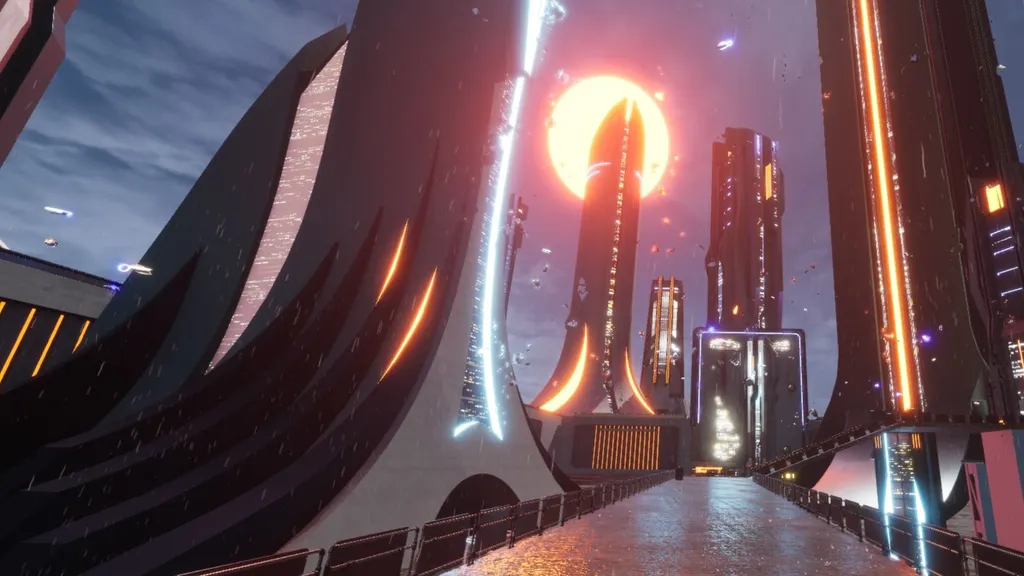
System Critical 3 does not shy away from its old-school arcade inspirations, but it ends up being what is assuredly one of the worst VR games in recent years.
Video games are inherently art. So what happens when you encounter one with practically no salvageable virtues? System Critical 3 is the latest arcade-style shooter from solo dev Old Formulas. We have seen successful lone affairs such as Among Giants, but the lack of anything resembling functioning level design, an uninspired sci-fi setting, and imprecise gunplay make this virtually a no-go, unless it is to satiate your morbid curiosity.
What is it?: A retro-inspired sci-fi arcade shooter.
Platforms: PlayStation VR2
Release Date: Out now
Developer/Publisher: Old Formulas
Price: $19.99
A sample of System Critical 3's shoddy gunplay and its barrage of mindless enemies.
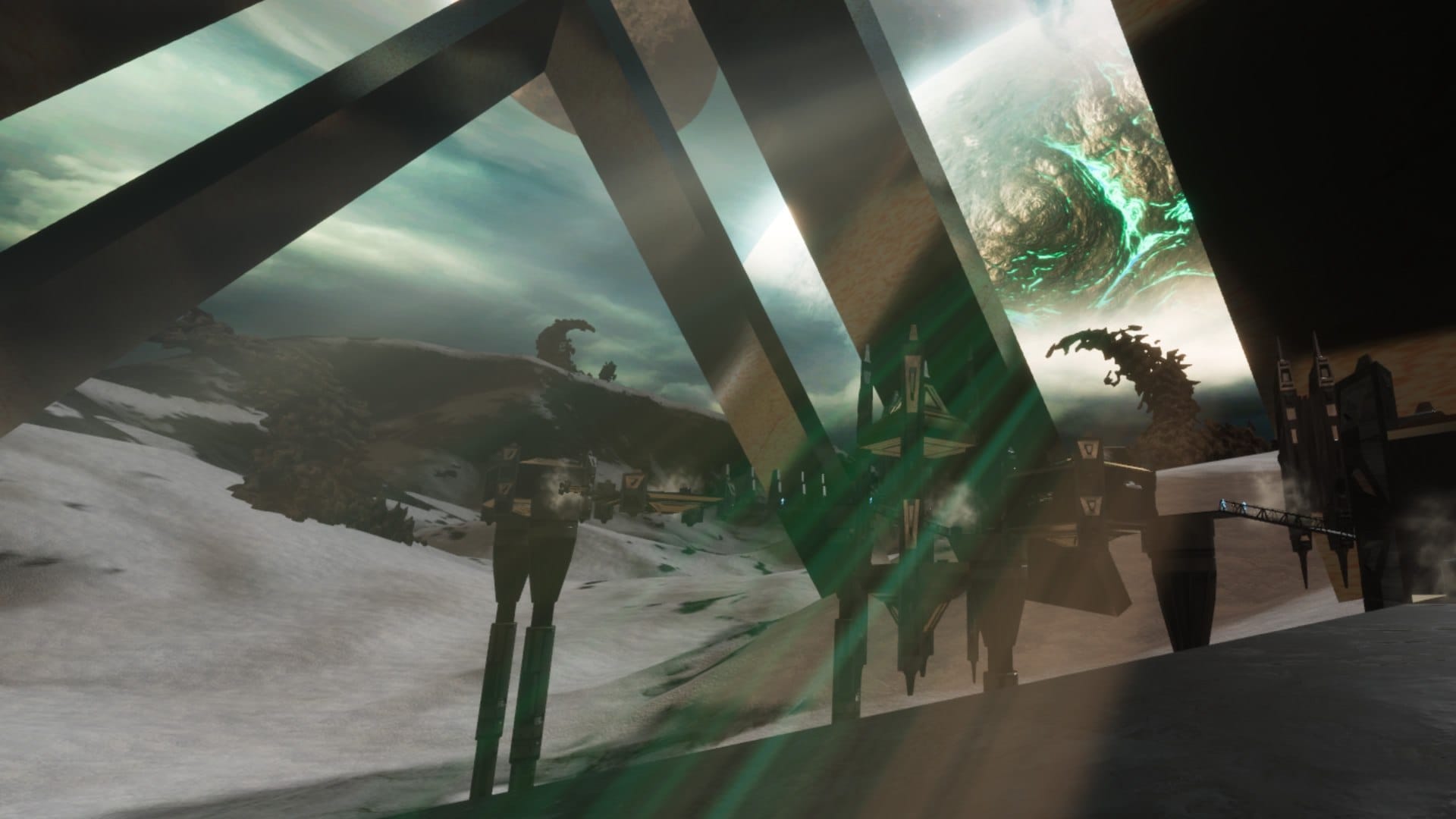
It all starts with its onboarding. Beyond the moderately awe-inspiring alien landscapes, the main menu looks woefully amateurish. Ignoring the basic font used at odds with its decidedly stylish title, the settings menu needs some heavy work. Each time you toggle from its basic set of options, including a singular accessibility option and a difficulty toggle of sorts, the screen goes fully black with the word “Saving” in bright white letters. For anyone who has ever played VR, this is deeply disorienting. It only gets worse from there.
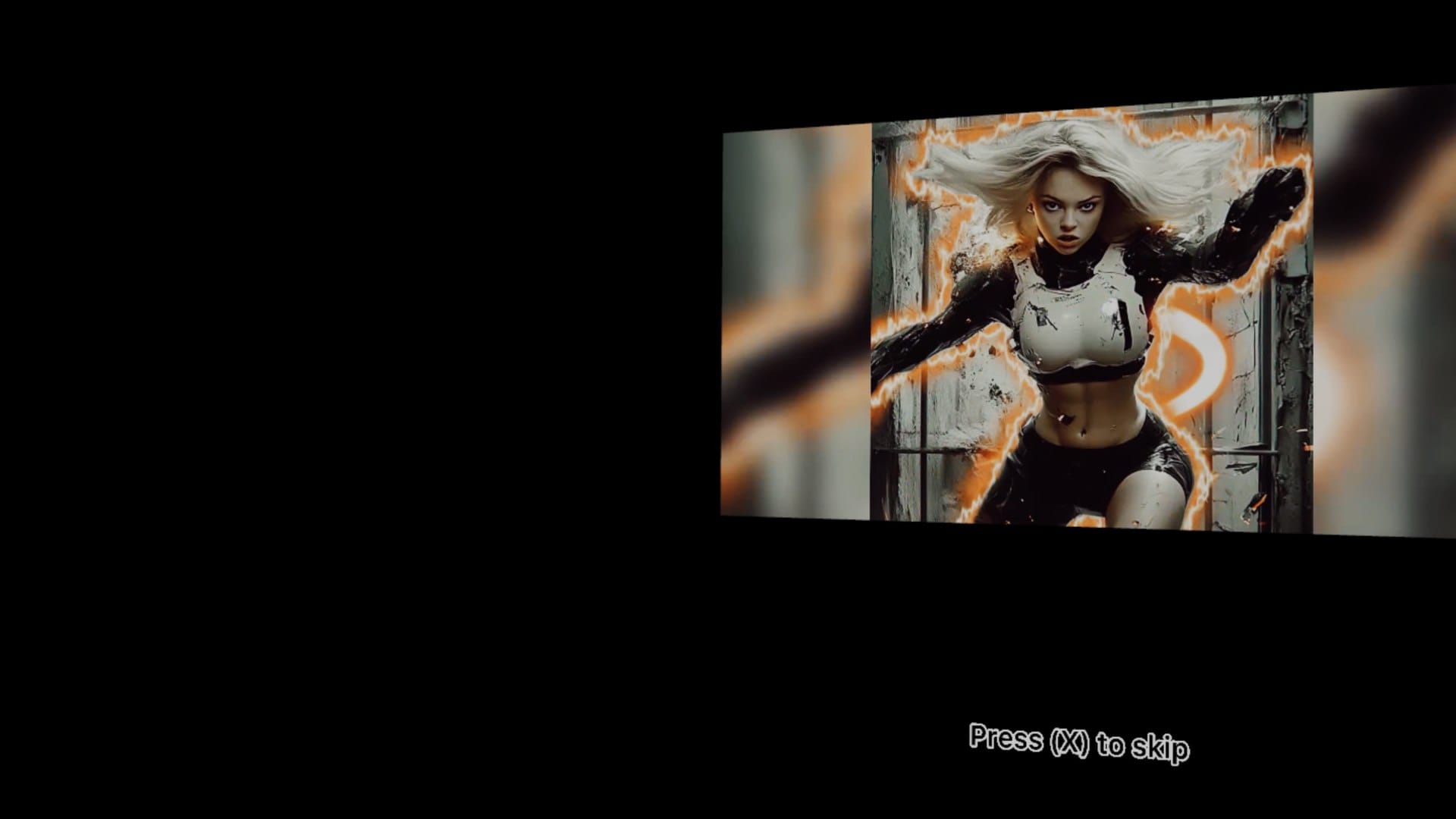
Booting up a new game, you are greeted—or tormented—with a heavy expositional cutscene. Describing it as a cutscene is generous, as it is more of a slideshow. It is not that it relies on generative AI for its images (with no visual coherence) or voice narration, but the fact that it uses a painfully generic sci-fi trope is what hurts it the most. Earth has been taken over by an organization called Evil Eye. You play as a character who was kidnapped as a child and experimented on until you became a killing machine called Cyborg 17. Now, you seek revenge. Roll credits.
After that rudimentary presentation, System Critical 3 finally reveals what seems at first glance a mirage in a desert of creativity: its arcade-style inspirations. Featuring a training area, eight main missions, and three locked final stages, they are laid out in a classic Mega Man-inspired layout menu. With names like Nebula Frost Basin and Shattered Ice Meridian, its retro roots are worn on its sleeve. Most of them contain a boss to face at the end of it. Maybe this is where the game truly shines. Alas, I continue to be mistaken.
Calling every level a “main mission” is too generous. The first course I chose portended a bad omen for what was to come. Spawning on a floating platform with no actual sense of architectural design, the game asked me to double jump to reach the other platforms at a considerable distance. An unexpected ask that made the suggestion all the harder was that I needed to run and gain momentum to reach each platform. This suddenly became a precision platformer in the worst of ways. It is no hyperbole when I say that the abysmal level design renders it borderline unplayable.
To put salt on the wound, the robot automatons scattered throughout the level seem to be aware of you at all times and shoot accordingly. Armed with a firearm and a blaster that can be equipped on either arm, the gunplay is shoddy at best. Because the barrage of enemy projectiles also interferes with your movement, they can cut your platforming efforts short. Its nonexistent enemy AI reveals yet another fault: there is no rhyme or reason for any of these enemies. At some point, you are faced with spiders as well because why not?
Every single level is like this. While some may reveal a seemingly straightforward path to move forward, the developer's worst impulses always win. Moving platforms that have no room for error end up making it an extremely unforgiving experience. Perhaps if the checkpoints were generous, this would end up being a passable shrug. They are not. At least the various voices when falling may induce a chuckle at how over-the-top and inconsistent they are.
One novel mechanic is a slow-motion toggle. Pressing R3 (this being a PSVR2 exclusive) freezes up the world around you to more deftly avoid enemy projectiles. A commendable detail: the headset vibrates when the slow-motion timer is about to run out. As the enemy behavior is erratic, there are no bullet hell patterns to praise. Much like everything else this game has to offer, it is brash and, although clever on the surface, a small fix to a larger problem. On the subject of system-exclusive features, the Sense controllers’ haptic feedback works surprisingly well.
Comfort
The only comfort option available is to choose between smooth or snap turning.
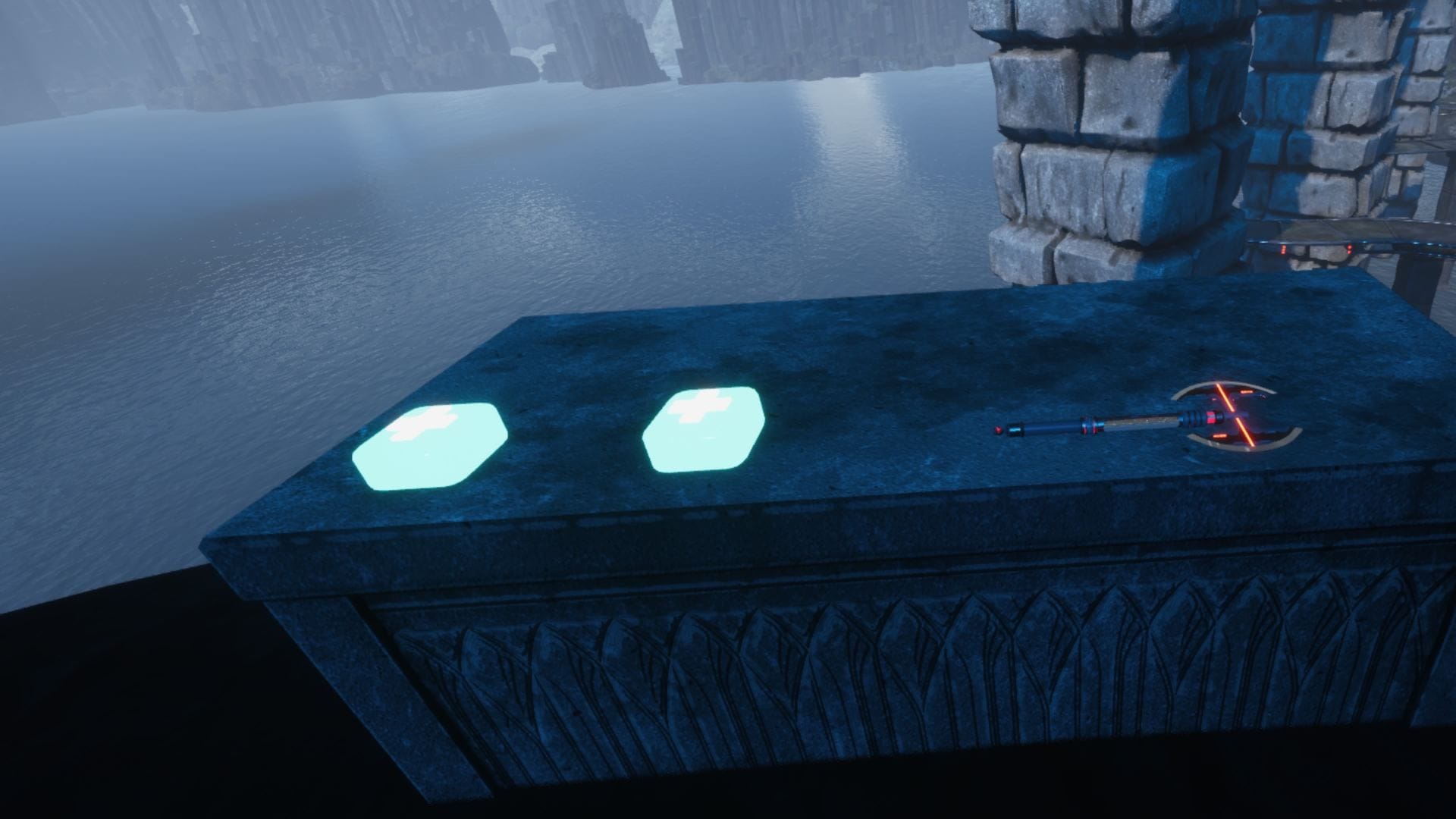
System Critical 3's only relatively pleasant surprise is its hidden areas alongside the main path. Not too hidden as in secret walls, but once in a blue moon looking back at a walked road may uncover a special area with health packs, hidden blasters, or unique weapons like axes. That and the appropriately thumping electronic music are what I can muster to mention positively. Each obnoxiously loud explosion—from barrels and enemies alike—does render the sound design an unintelligible mess, so good luck listening to it.
System Critical 3 Review: Final Verdict
This might be the third entry in a series, but it still feels like a college project. Much like virtual reality heightens immersion akin to being inside a world, so does it exacerbate a video game’s design issues. With borderline unplayable levels, shoddy gunplay, and a rudimentary presentation, there are no redeemable qualities to speak of about System Critical 3. Its arcade inspiration might intrigue hardcore fans of the unpolished and janky, but any VR player with a penchant for quality should avoid it at all costs.

UploadVR uses a 5-Star rating system for our game reviews – you can read a breakdown of each star rating in our review guidelines.