

Autodesk VRED now has an immersive mode that streams to Apple Vision Pro via Nvidia's CloudXR, and automotive companies are already using it.
Autodesk VRED is an automotive 3D visualization and virtual prototyping application for high-end Windows or Linux workstations and cloud PCs.
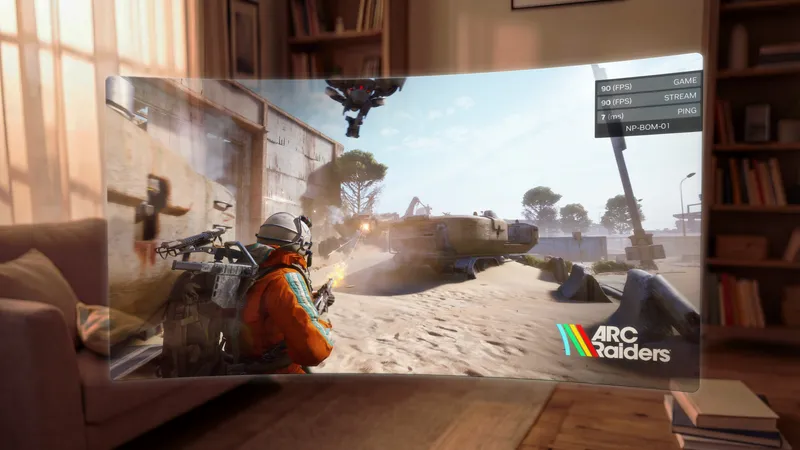
With the just-released visionOS 26.4, Apple Vision Pro headsets now support PC VR foveated streaming, and Nvidia's CloudXR SDK already supports the feature. As well as bringing official Vision Pro support to sim games like X-Plane and iRacing, CloudXR foveated streaming is also being used for high-fidelity enterprise 3D visualization.
 David Heaney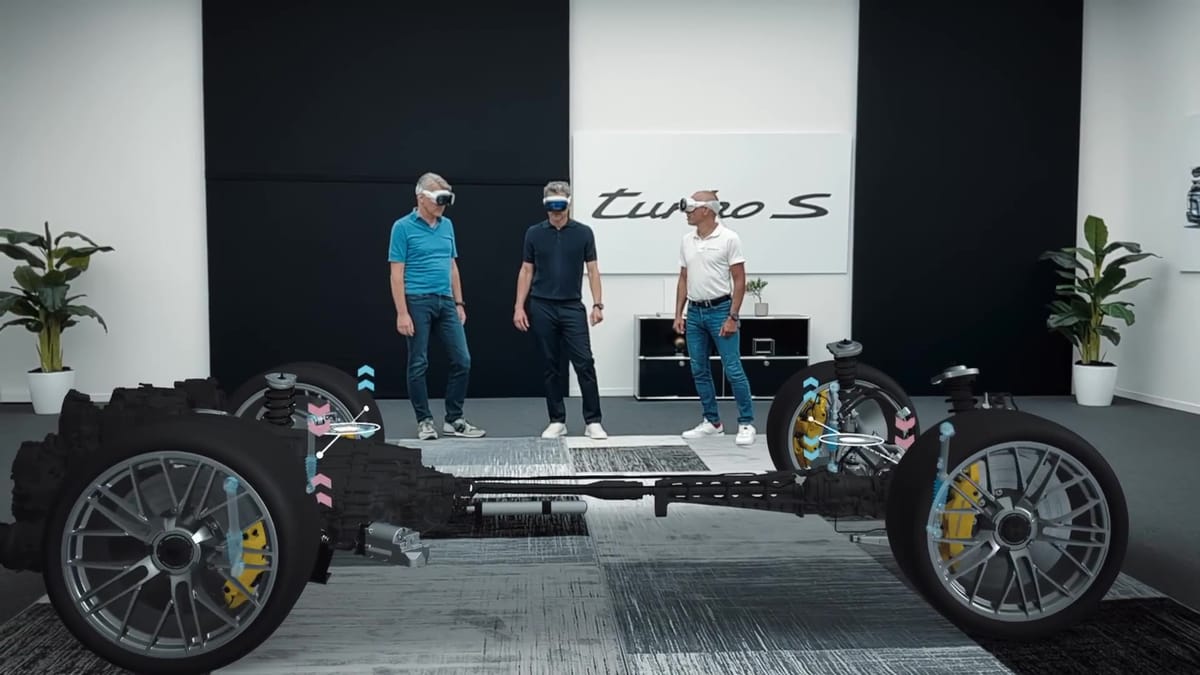
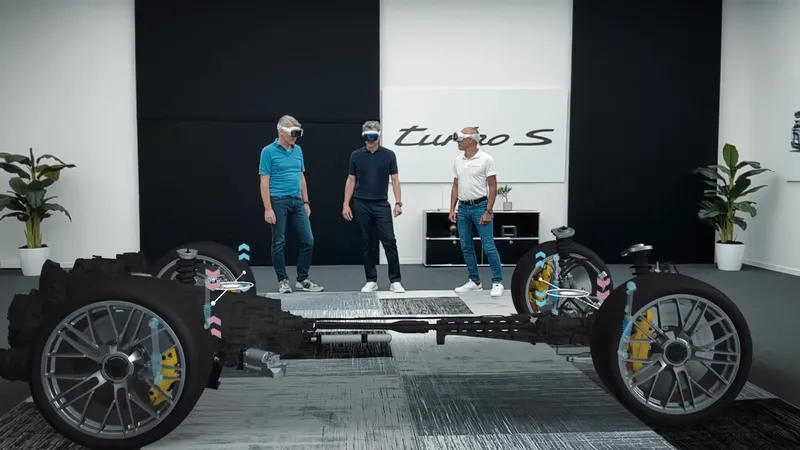
It's not that Apple Vision Pro couldn't do this already. In September, Porsche showed off how it was using the headset standalone for colocated visualization of its drivetrain inside visionOS. The problem is that, even now with the new M5 Vision Pro, the onboard mobile processing power is significantly inferior to a high-end workstation GPU that draws hundreds of watts.
That's where CloudXR and foveated streaming come in. The main Autodesk VRED application continues to run on the workstation or cloud PC, and the headset wearer's view of the 3D asset is streamed in real-time to a visionOS immersive client. The "foveated" part refers to how the compressed video stream quality is prioritized to the area of the display you're currently looking at. It's the same approach Valve is using to make wireless PC VR great on Steam Frame.
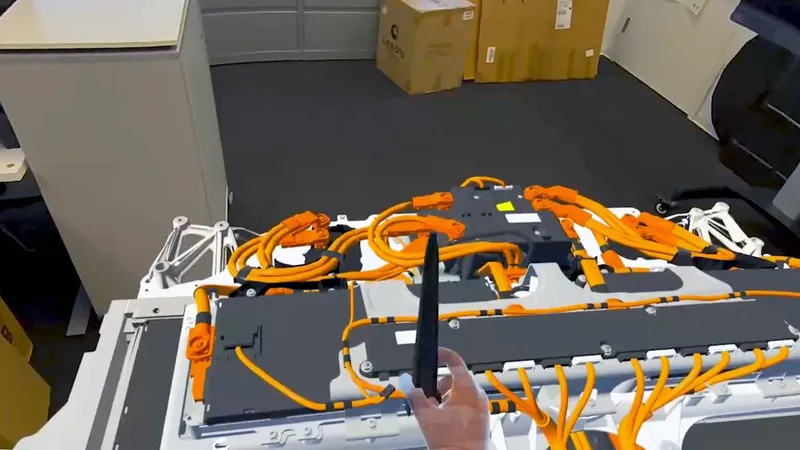
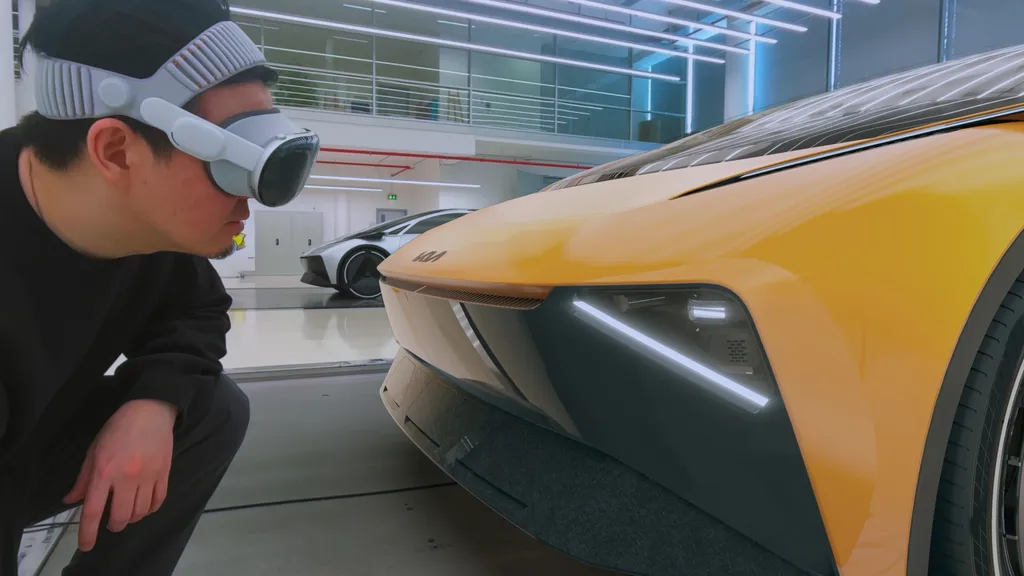
Footage of Kia's usage of Autodesk VRED immersive mode for Apple Vision Pro.
Because the main application is running on the PC, changes made to the 3D asset are instantly reflected in the headset, allowing for real-time collaborative design.
The software also supports colocated XR, with multiple Vision Pro wearers in the same space seeing the model together and able to draw and annotate in 3D space.
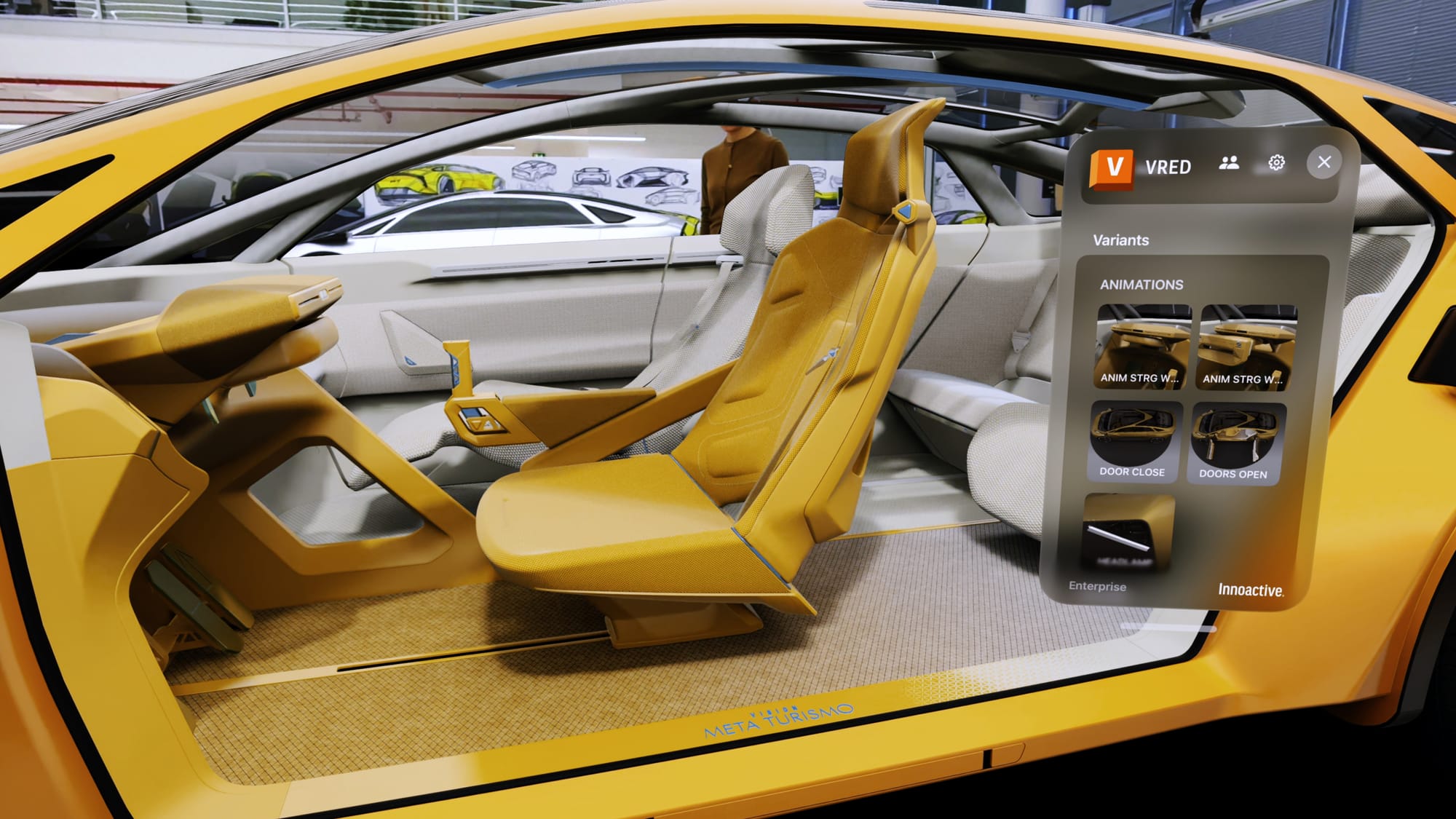
“Integrating immersive spatial computing into our workflow with NVIDIA CloudXR for visionOS allows us to evaluate our designs at full size with greater clarity and speed on Apple Vision Pro,” Karim Habib, executive vice president and head of Kia Global Design said in a prepared statement. “We can experience proportions, surfaces, colors and materials together in a shared real-world environment and collaborate in real time across our global teams. Through these collaborations, we can continually refine our process, maximize efficiency and remain focused on the creative intent behind every decision.”