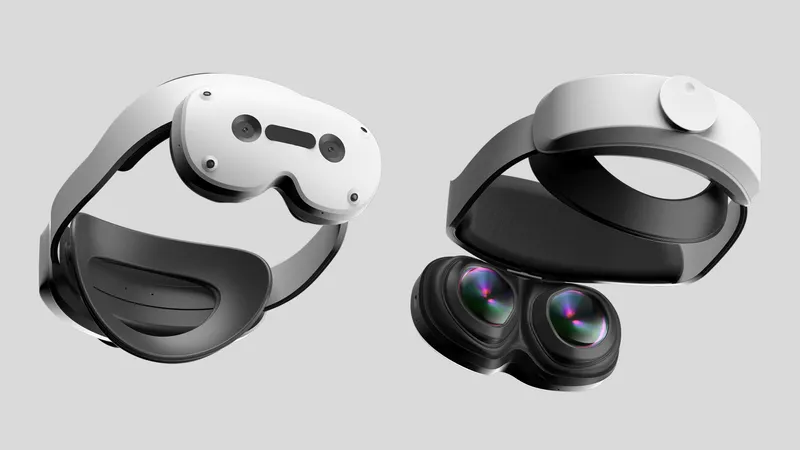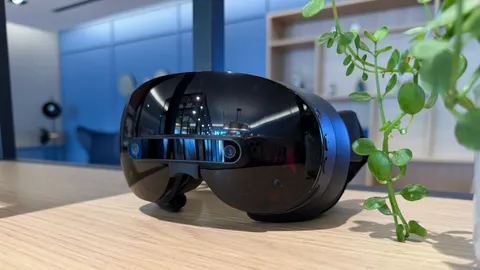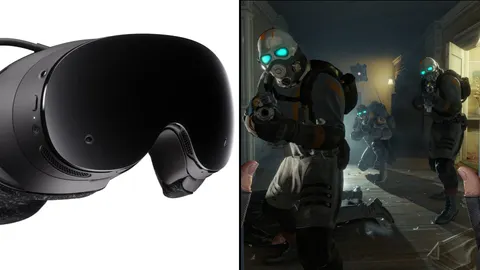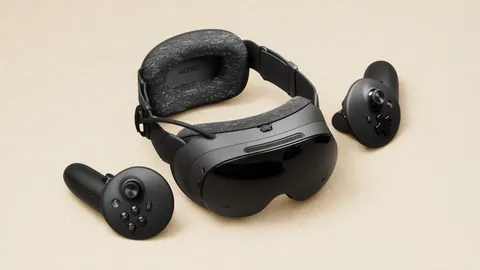
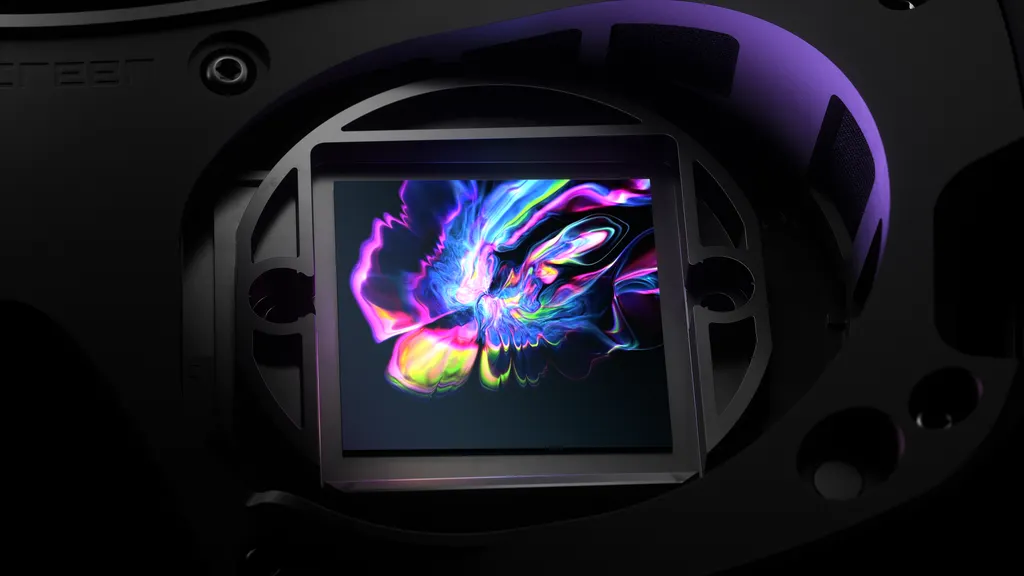
According to a Chinese VR news outlet, Meta's next headset will use 2560×2560 micro-OLED displays.
The report comes from VRcoast, and claims that micro-OLED display maker SeeYA Technology plans to clear its existing production lines to dedicate its full capacity to the display for Meta's next headset. SeeYA is the provider of the micro-OLED displays in Bigscreen's Beyond PC VR headsets, both generations, which are also 2560×2560.
However, Bigscreen tells UploadVR that the report's suggestion about SeeYA's production is "wrong".
If the report's claim that Meta will use SeeYA's display is accurate, it will be Meta's first ever headset to use micro-OLED, and its first non-LCD headset since the original Oculus Quest all the way back in 2019.
| Type | Resolution | |
| Quest 2 | LCD | ~1680×1870 (est) |
| Quest 3 | LCD | 2064×2208 |
| Steam Frame | LCD | 2160×2160 |
| Bigscreen Beyond 1 & 2 | Micro-OLED | 2560×2560 |
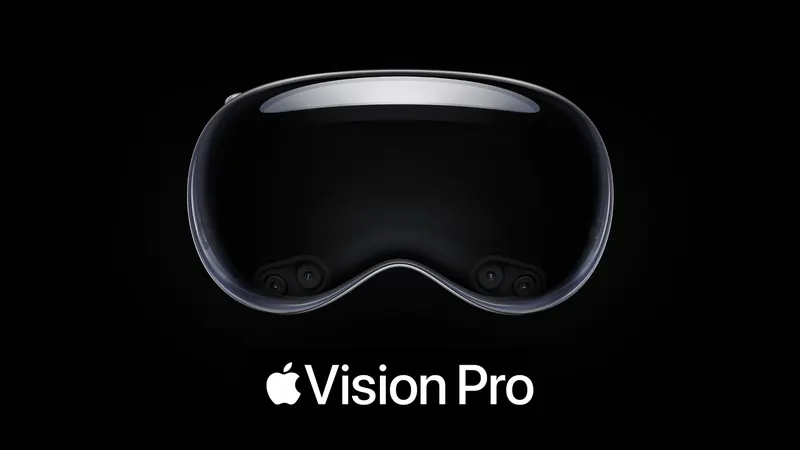
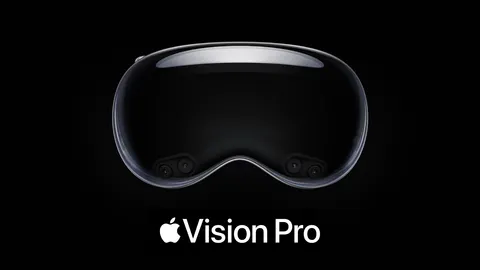
| Apple Vision Pro | Micro-OLED | 3660×3200 |
| Samsung Galaxy XR | Micro-OLED | 3552×3840 |
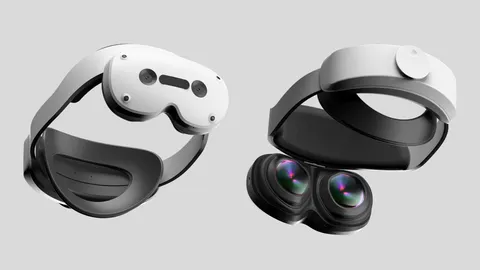
If you haven't been following along: multiple reports and sources indicate that Meta's next headset, codenamed Phoenix, will be an ultralight device with an open periphery design and tethered puck that offloads both compute and the battery.
The reports suggest that Phoenix will be strongly focused on virtual screens for productivity and entertainment, and other seated mixed reality and VR use cases. Rather than using controllers, it will feature the gaze-and-pinch interaction system of Apple Vision Pro.
In June last year, The Wall Street Journal reported that Meta was targeting a price below $1000, though with the global memory shortage this plan might have changed since then. That same month, UploadVR reported that the compute puck will run the same Horizon OS as Quest headsets, and that Meta had discussed names that included, but were not limited to, 'Meta Quest Air'.
In December, leaked internal Meta memos revealed that the company is targeting the first half of 2027 for the launch, a pushback from previous plans of late 2026.
 David Heaney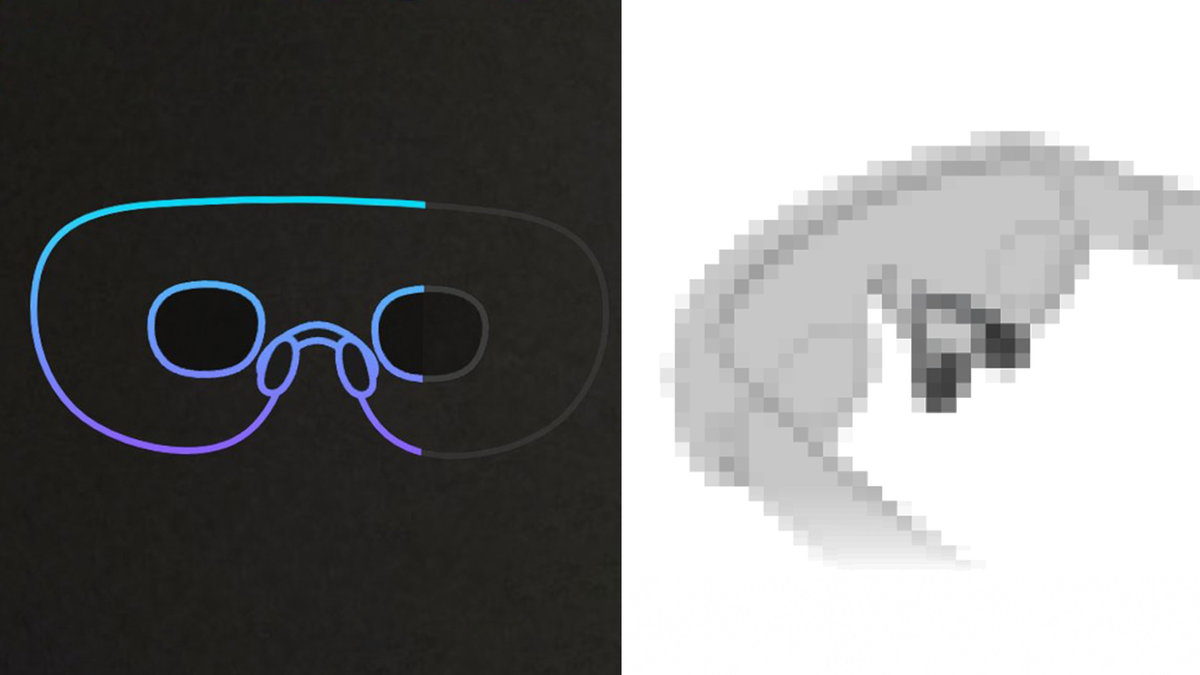
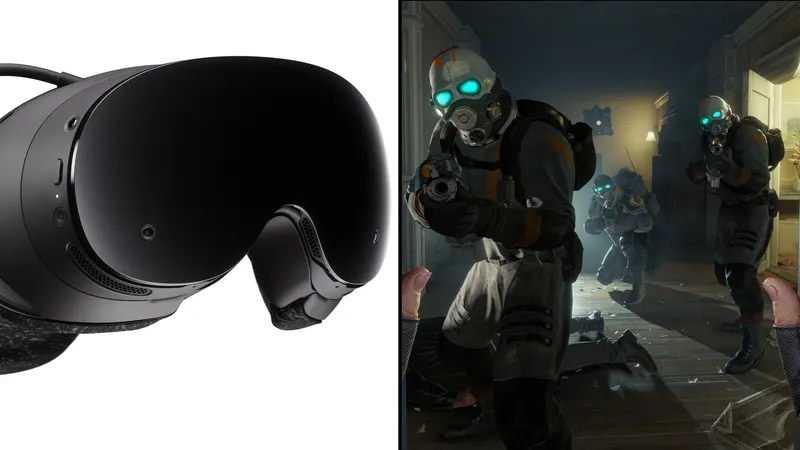
Last month, low resolution graphics depicting Phoenix were discovered in the Quest firmware, giving us our first real indication of what the headset might look like.
UPDATE: Bigscreen tells UploadVR that VRcoast's claim of SeeYA dedicating its entire production to Meta is "wrong".