

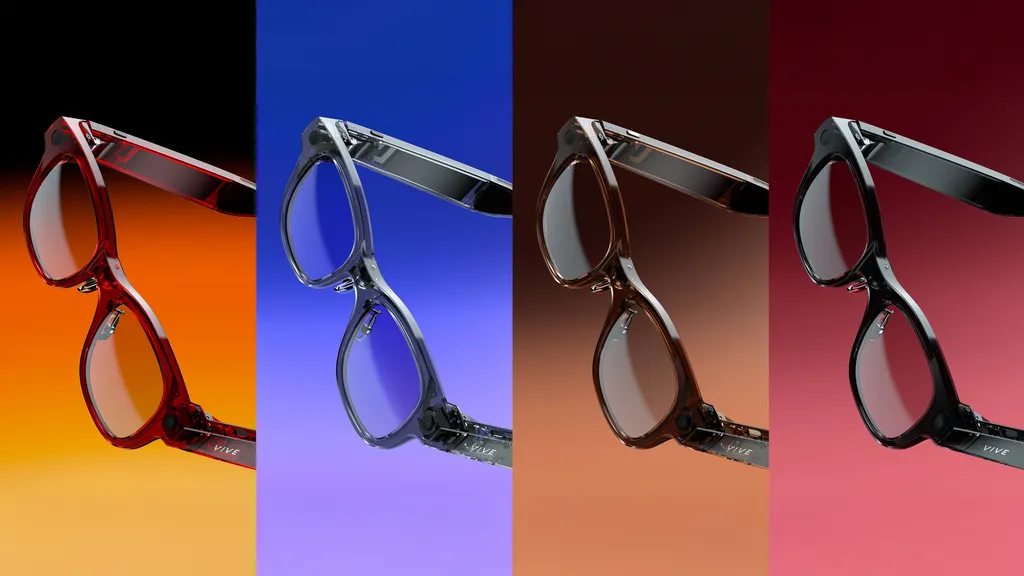
A surprising number of startups and established companies are selling or working on smart glasses.
We often report on the Ray-Ban and Oakley Meta glasses, Google's announced plans to take them on, and Apple's reported work on its own smart glasses. These US tech giants have priority access to key components like the latest chipsets, and can leverage their existing device and communications ecosystems, as well as first-party AI models, to bolster the appeal of their products.
 David Heaney
But the work of smaller companies in the smart glasses space is notable too, and in this article we want to make you aware of them. Some entrants are relatively recent, such as HTC launching Vive Eagle in Taiwan, while others have been in the market since before Facebook and EssilorLuxottica launched Ray-Ban Stories.
Displayless Smart Glasses
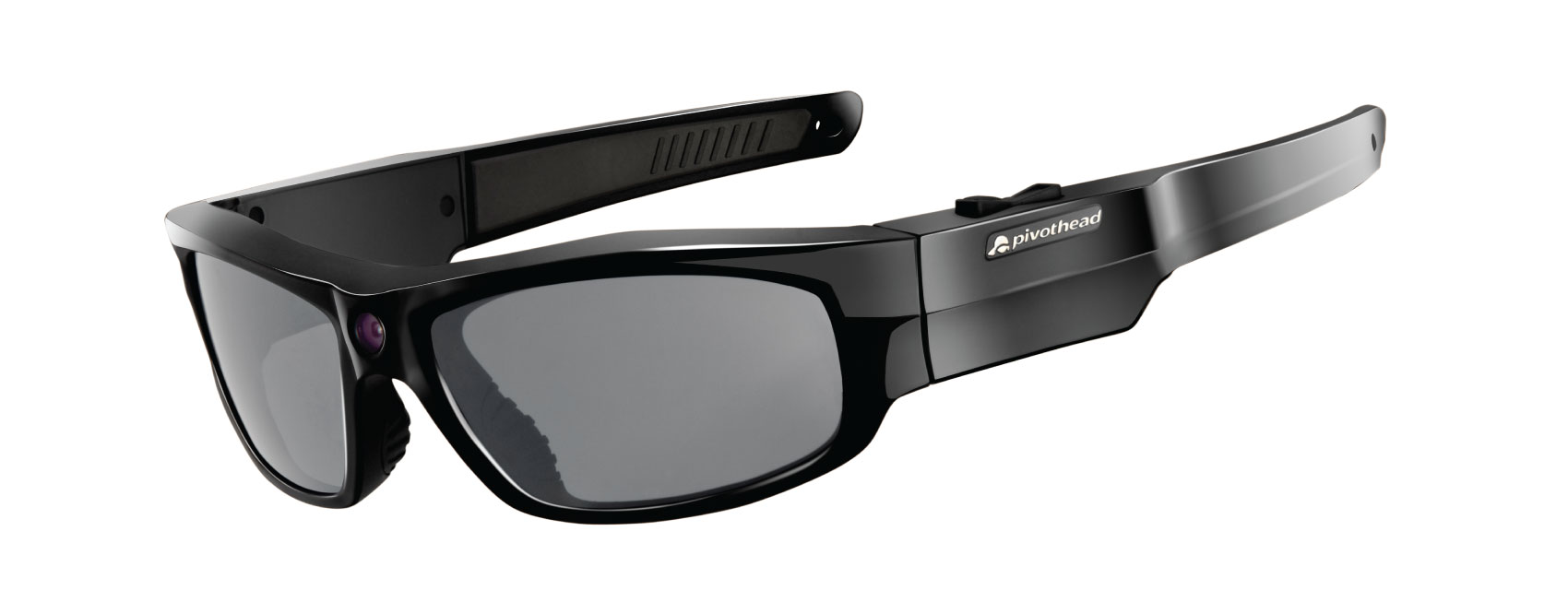
Ray-Ban Meta is not the first smart glasses with a camera. Facebook itself launched the unsuccessful Ray-Ban Stories two years earlier, and nine years before that, a startup called Pivothead released glasses with a 1080p camera in the center.
The first mostly-regular-looking camera glasses were Epiphany Eyewear, shipped by a startup called Vergence Labs in 2013.
Snap, the company behind Snapchat, acquired Vergence Labs a year later, and used its technology to ship the first three generations of Spectacles, from 2016 to 2019, which were displayless camera glasses.
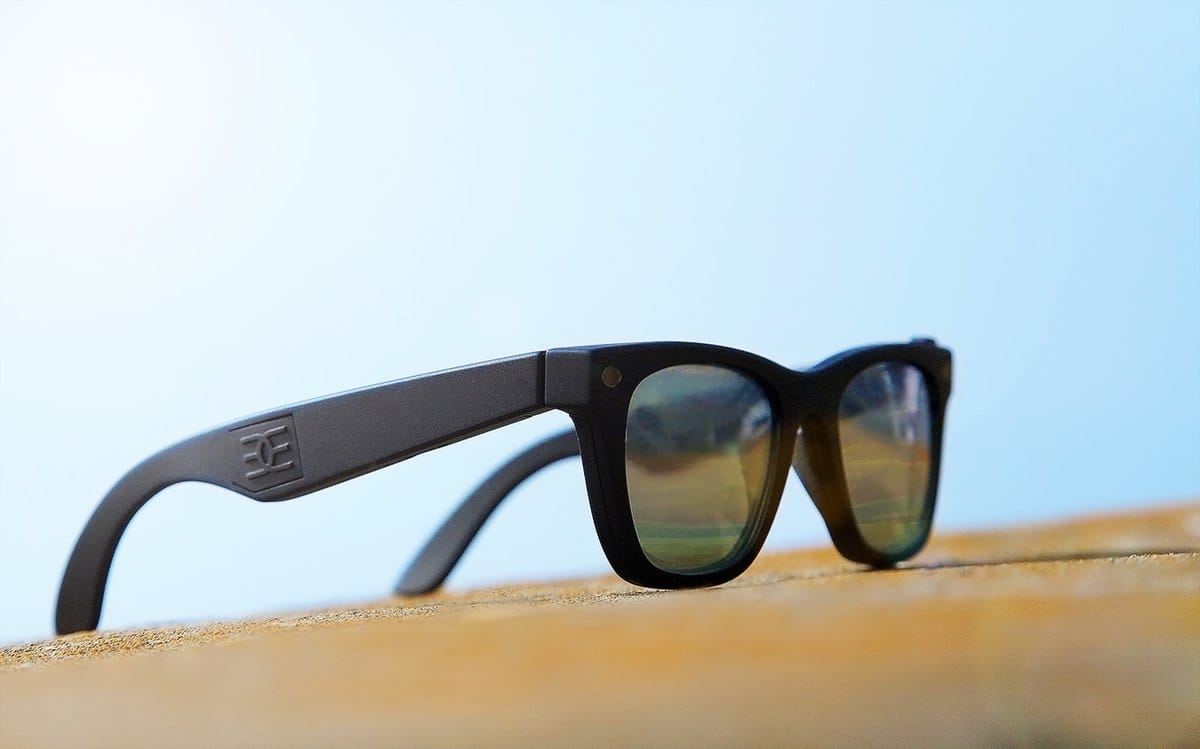
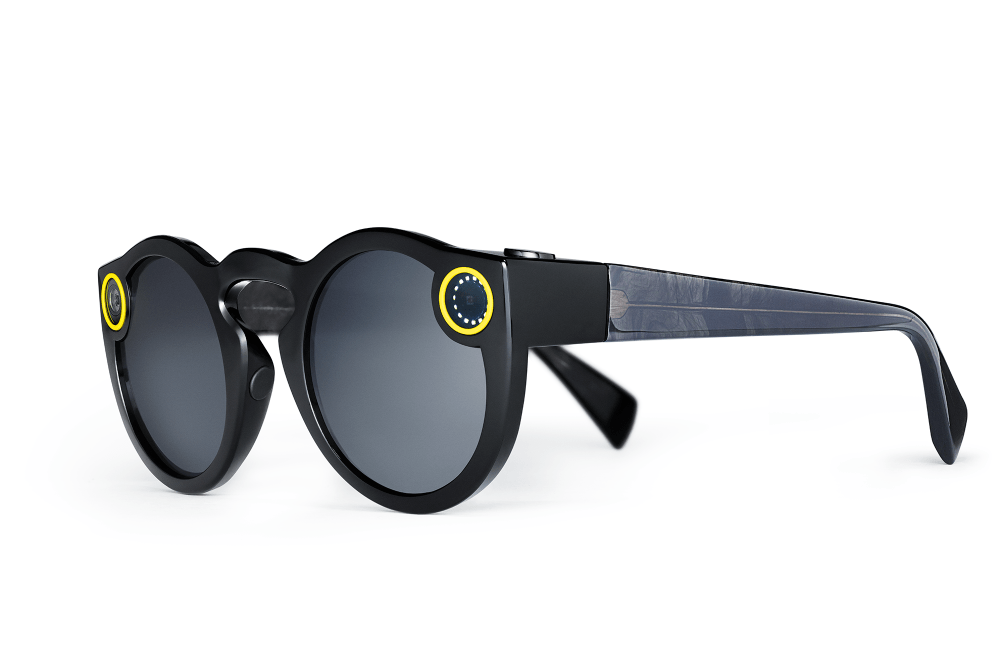
Epiphany Eyewear (2013) and Snap Spectacles (2017)
Pivothead, Epiphany, and Spectacles were all just camera glasses, though, and lacked speakers or meaningful onboard compute.
On the other hand, since 2019 for invite-only early adopters and 2020 for mainstream consumers, Amazon has been shipping Echo Frames, which have speakers and microphones for music/audiobooks/podcasts and interacting with the Alexa assistant. But oppositely, Echo Frames lack any kind of camera.
It was Meta and EssilorLuxottica that first combined cameras, speakers, and microphones in regular-looking glasses for consumers, with the Ray-Ban Stories in 2021. And it was also these two companies that first delivered voice-requested multimodal AI in smart glasses, with a firmware update shortly after the launch of Ray-Ban Meta in 2023. This is now the primary marketed feature of almost all displayless smart glasses.
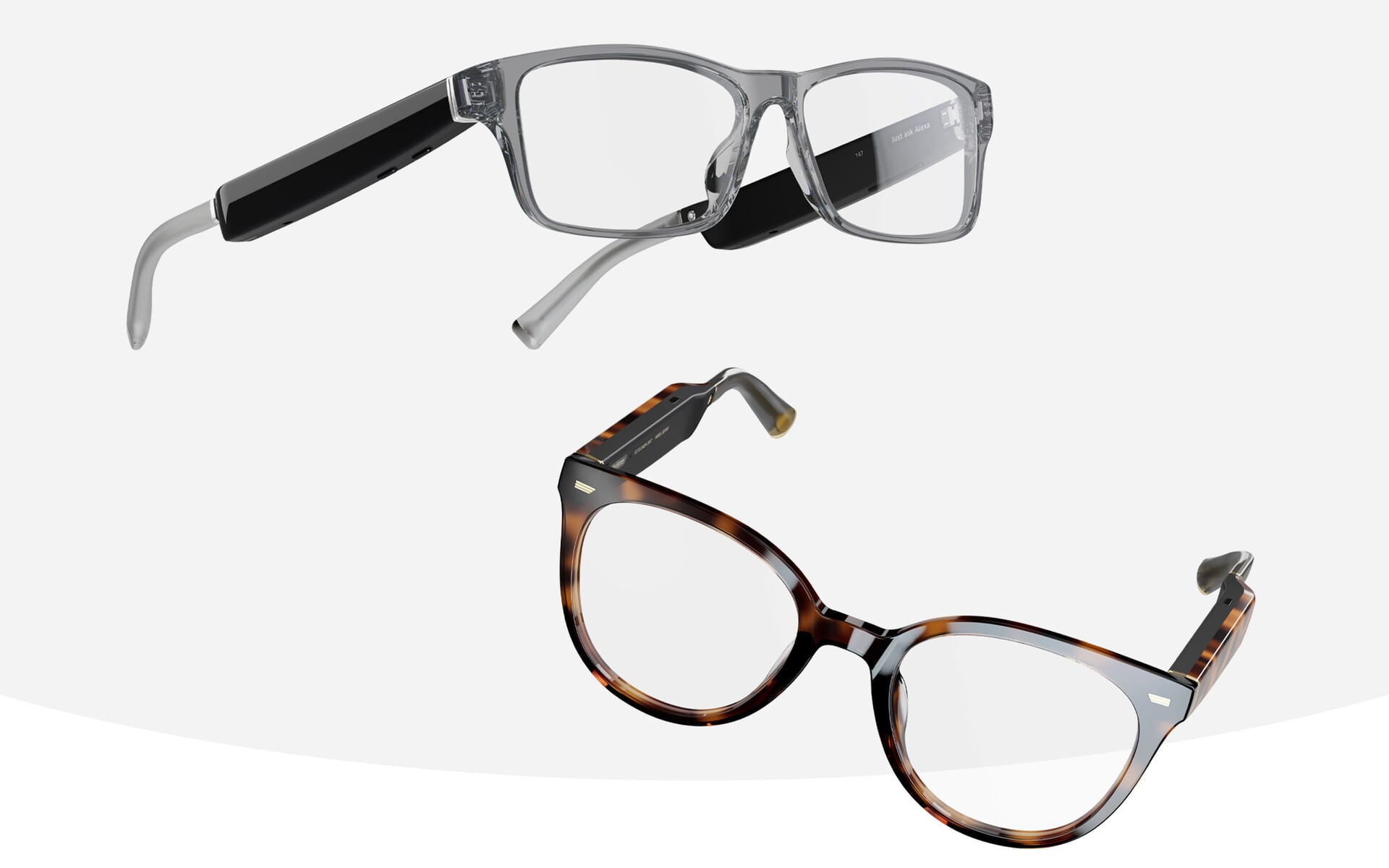
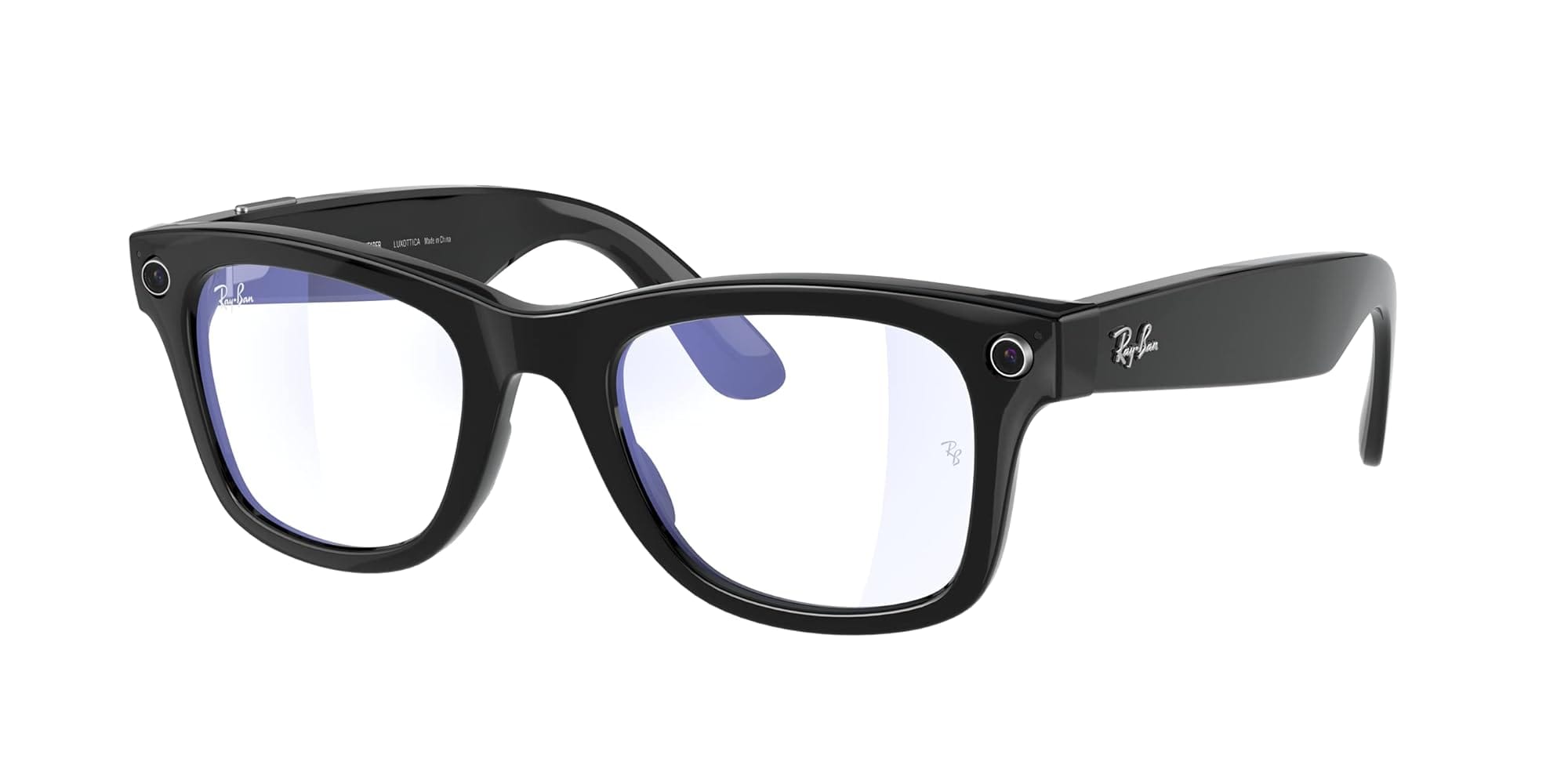
Amazon Echo Frames and Ray-Ban Stories (2021)
Today, there are dozens of Chinese companies selling sub-$100 smart glasses with a low-quality camera, speakers, and microphones, as well as startups and established companies around the world delivering their own high-quality take on displayless smart glasses.
Here are some of the key displayless smart glasses competing with Ray-Ban Meta and Oakley Meta HSTN:
Solos AirGo V2
Solos is a 2019 spinoff of Kopin, a microdisplay company that mainly supplies militaries.
Last year Solos launched AirGo Vision to directly take on Ray-Ban Meta, but with GPT-4o, and this year it's launching a successor, AirGo V2.
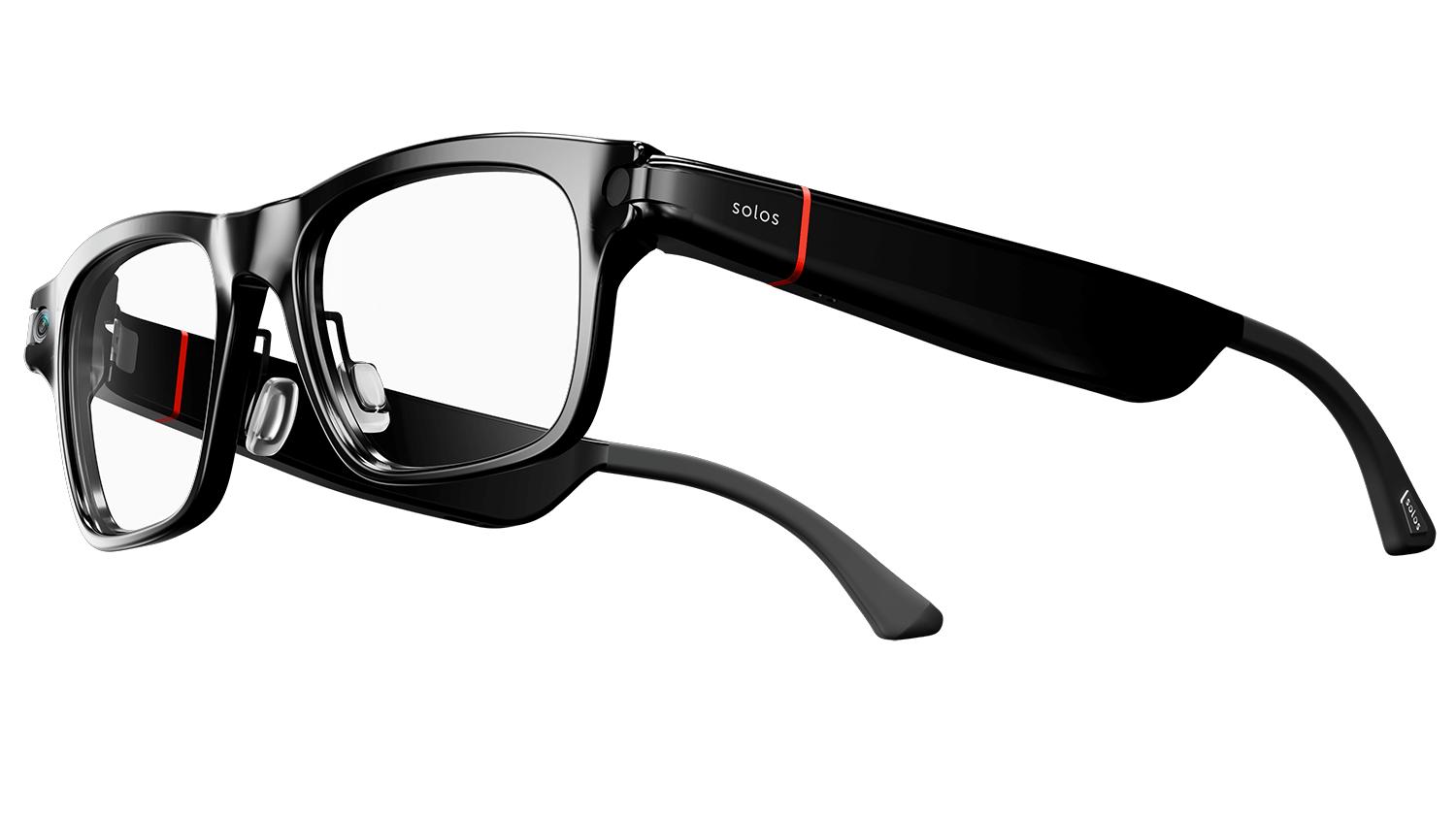
- AI Models: ChatGPT / Claude / Gemini / DeepSeek
- Price: $300
- Release: Q4 2025
- Availability: Global
Xiaomi AI Glasses
Xiaomi is a Chinese consumer tech giant that makes everything from phones to robot vacuums to now electric cars.
Xiaomi also manufactured Oculus Go, Facebook's first standalone VR headset.
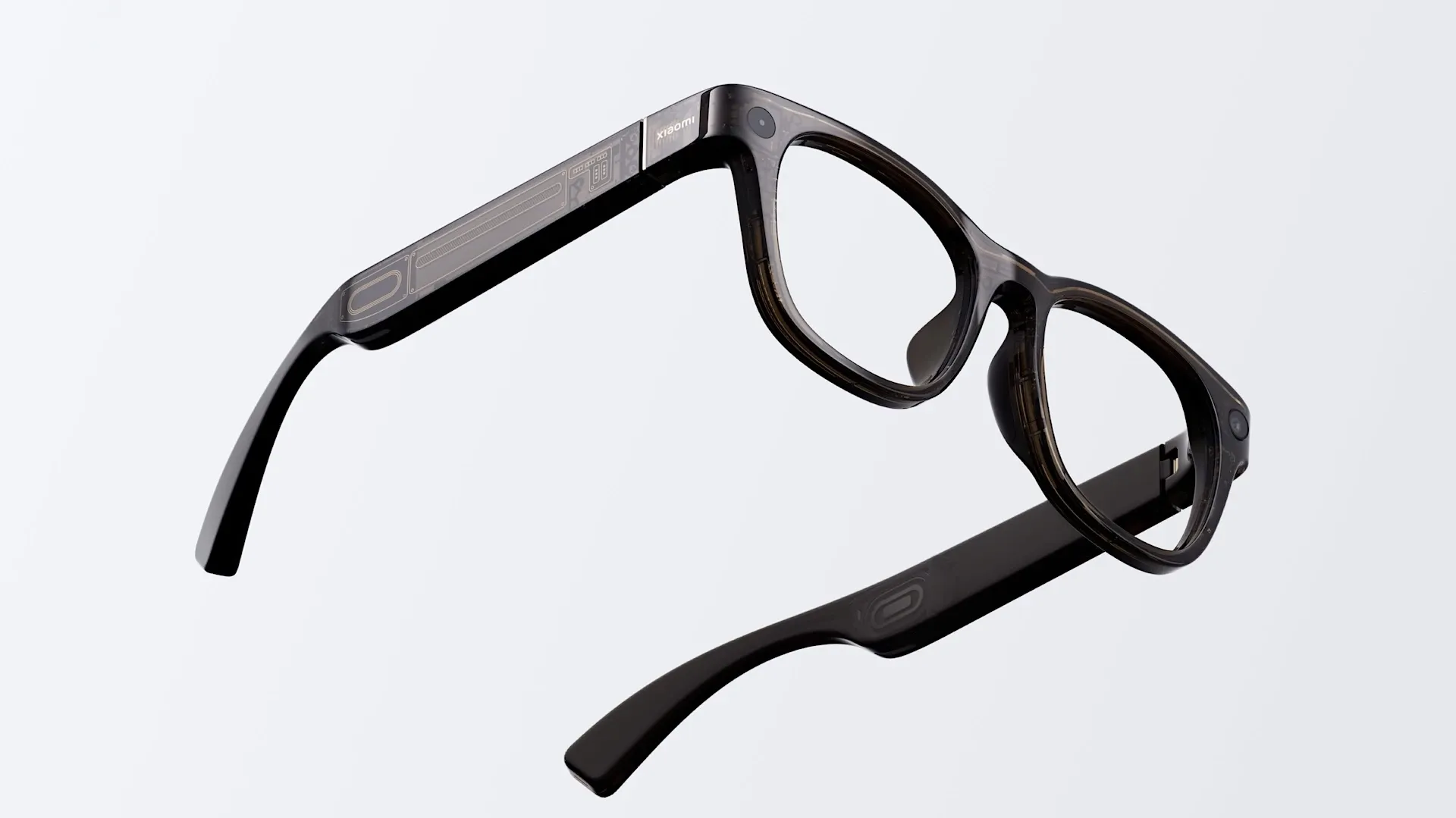
- AI Models: XiaoAI
- Price: ~$300
- Release: July 2025
- Availability: China only (for now)
HTC Vive Eagle
While HTC has primarily focused on enterprise in the VR market in recent years, for the smart glasses market it's targeting consumers in its home turf of Taiwan.
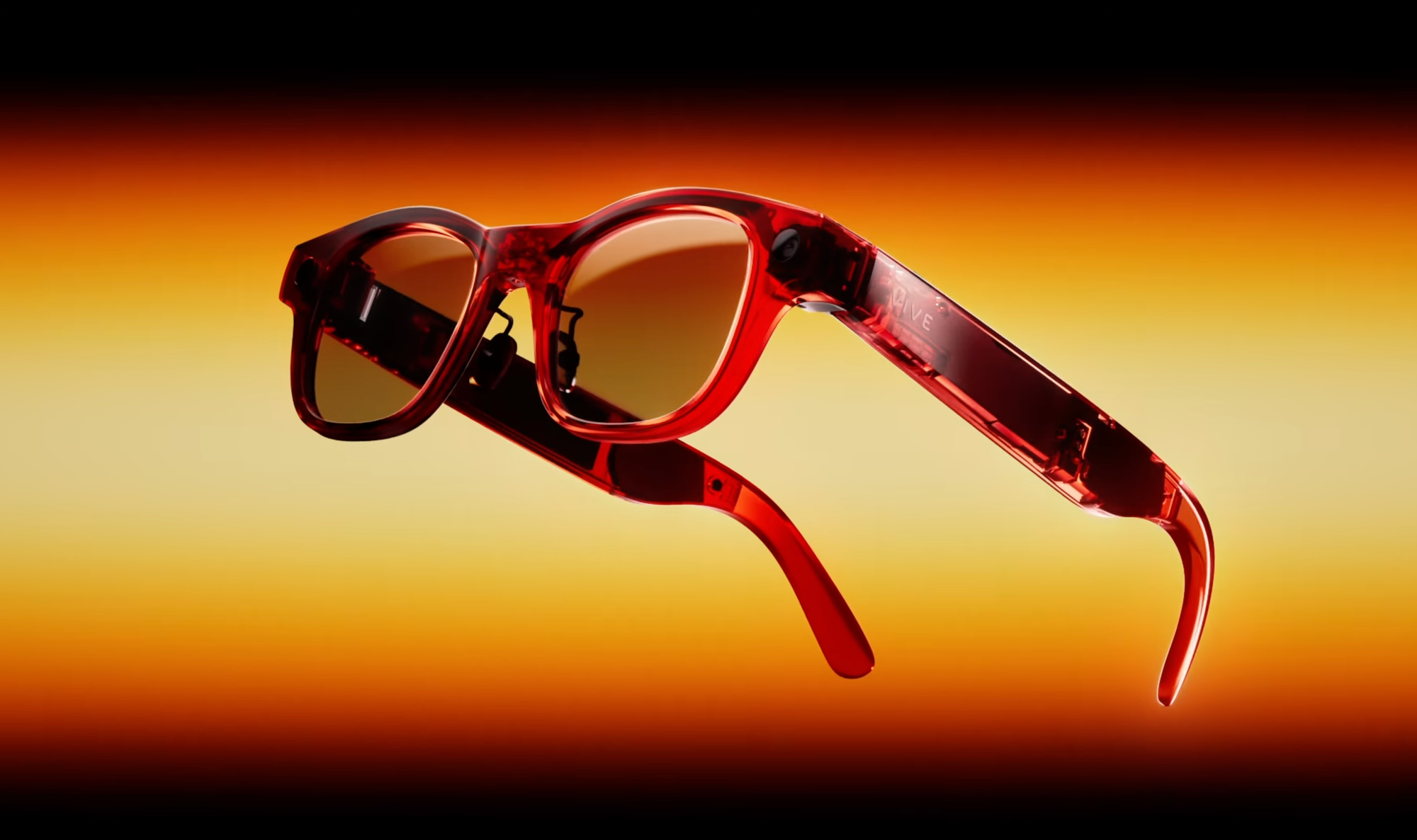
- AI Models: Gemini / ChatGPT
- Price: ~$550
- Release: September 2025
- Availability: Taiwan only
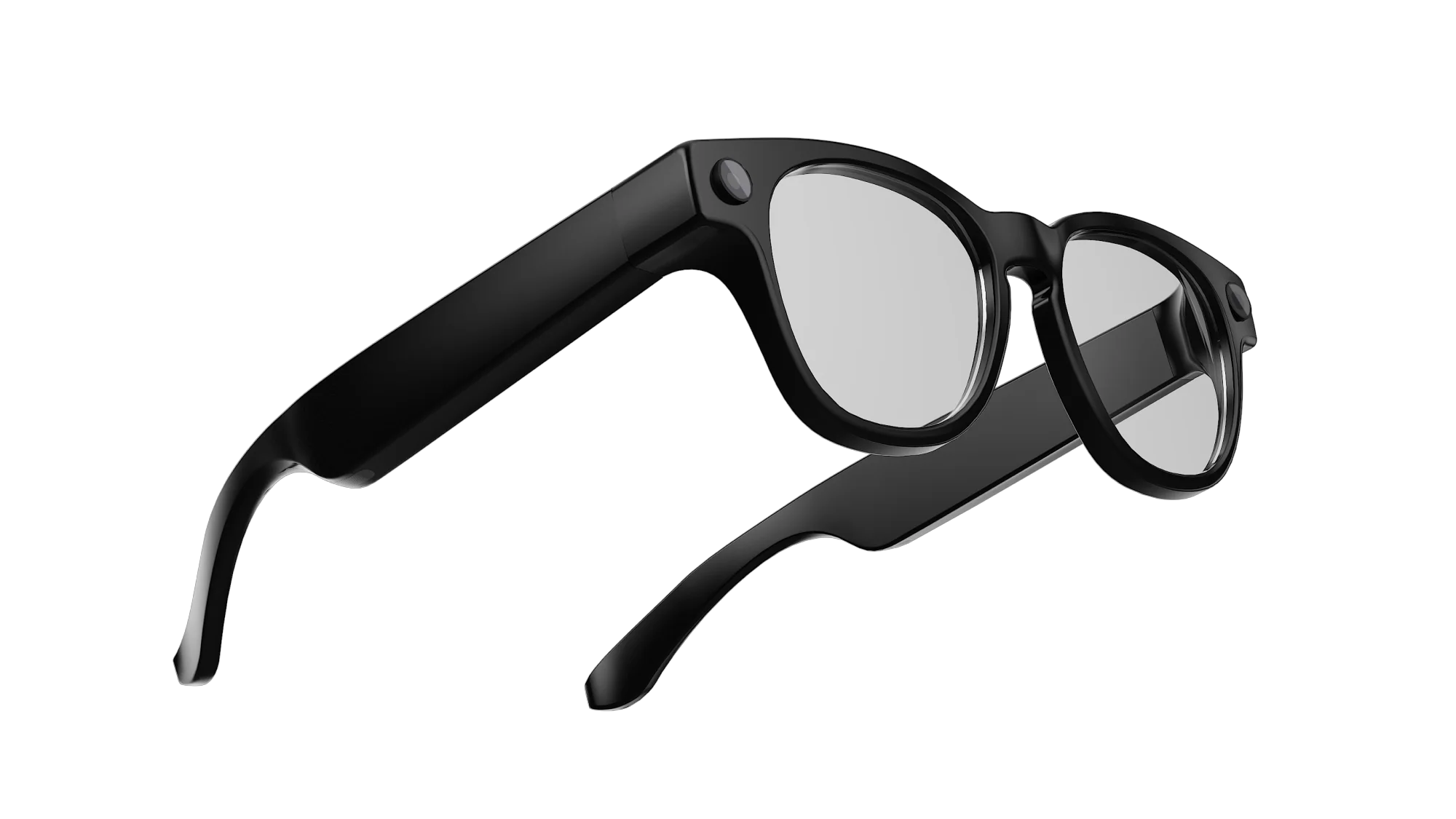
Mentra Live
Uniquely among displayless smart glasses, Mentra Live has an open-source OS and SDK, allowing any developer to freely and easily develop apps for it.
- Price: $300 ($250 for preorders)
- Release: December 2025
- Availability: United States only
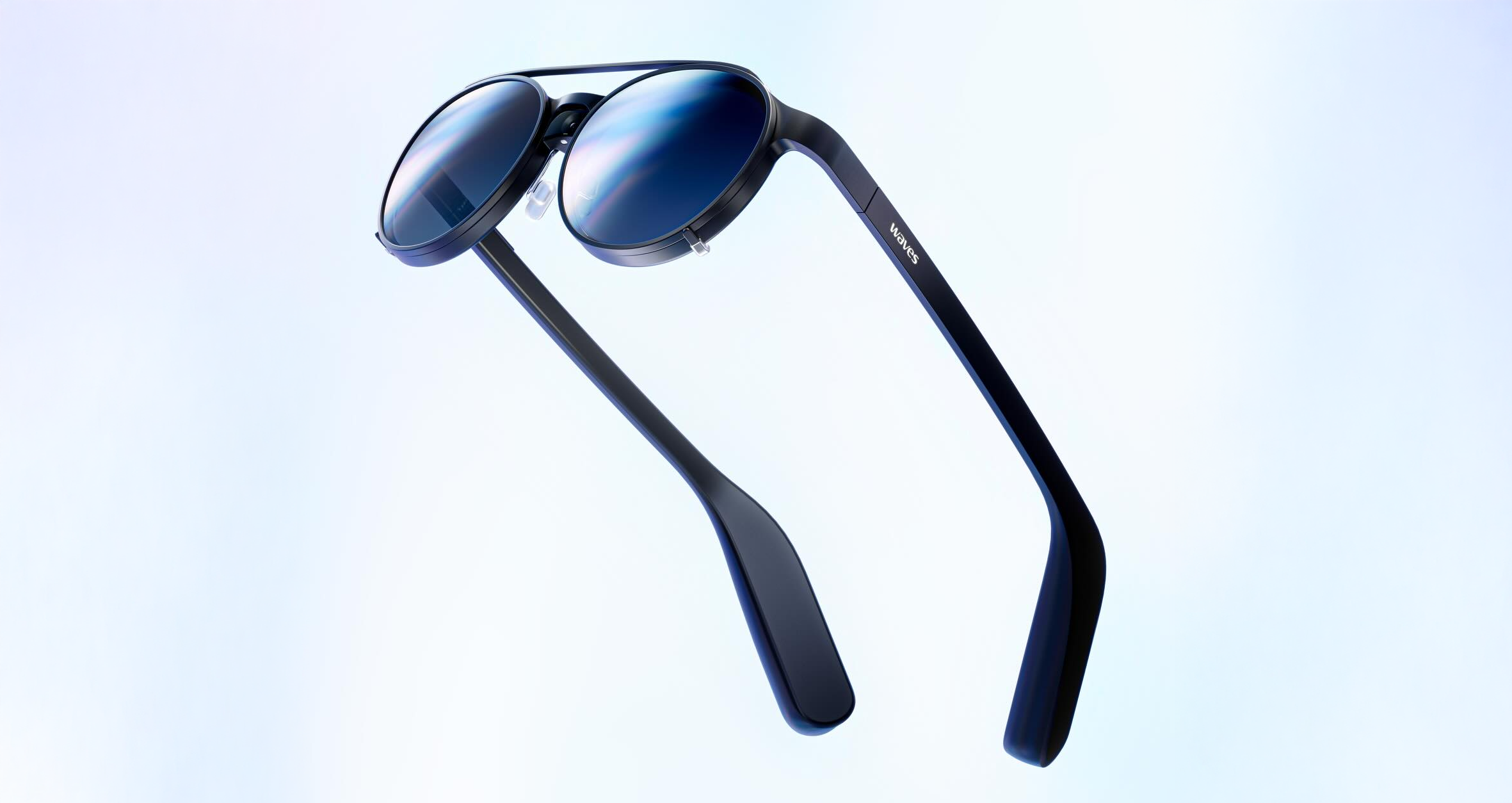
Waves Camera Glasses
The key marketed "feature" of Waves is that it lacks a camera LED, so people won't know when you're recording. This has led to controversy.
- Price: $300-$500
- Release: 2026
- Availability: Global
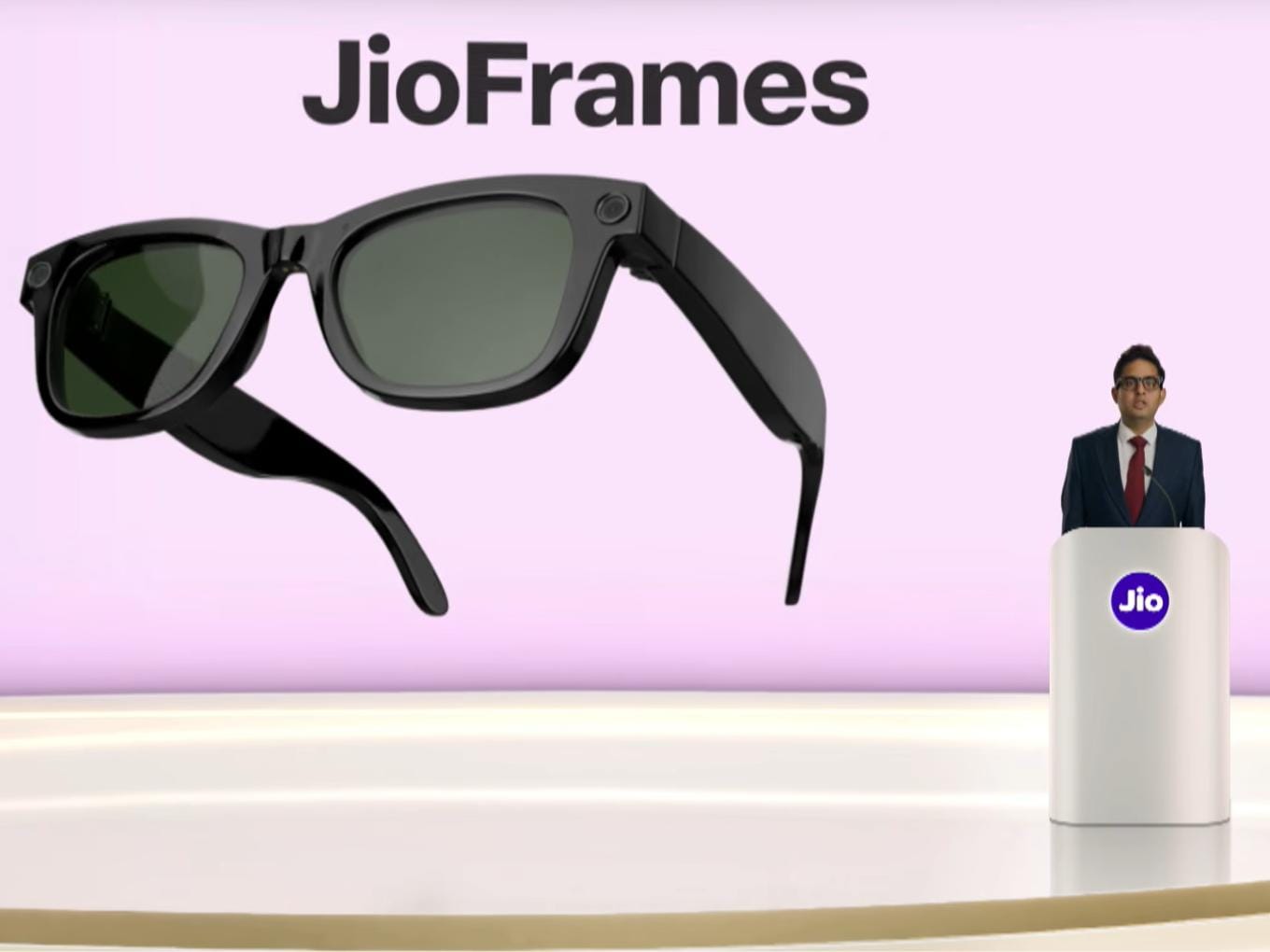
JioFrames
Jio is India's largest mobile network, and is reportedly considering shipping a cheap Horizon OS headset in the country too.
- Price: TBA
- Release: "Soon"
- Availability: India only
HUD Glasses
There's a lot of hype around the upcoming launch of Meta's monocular heads-up display (HUD) glasses with an sEMG wristband, codenamed Hypernova, but there are already multiple smart glasses with a HUD.
 David Heaney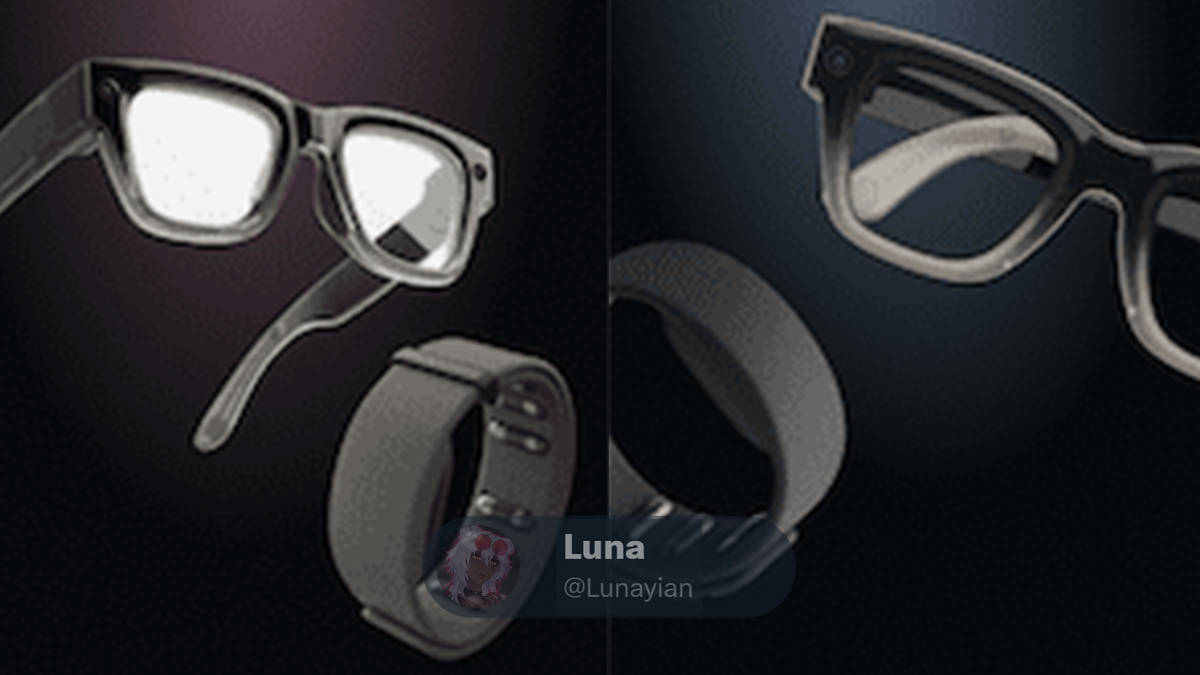
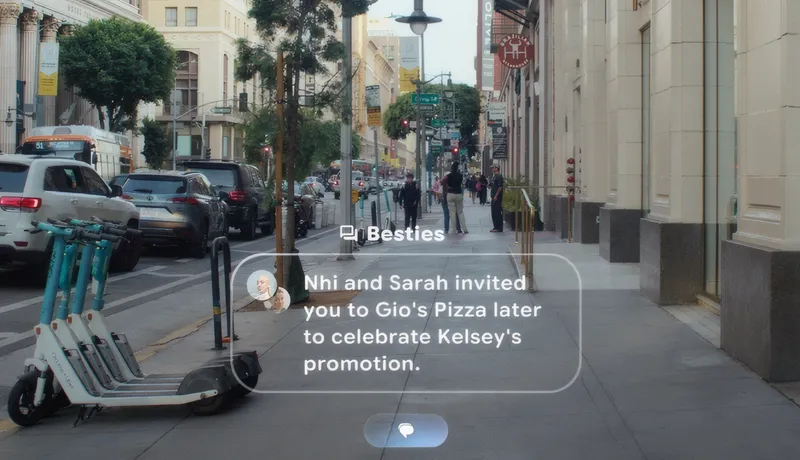
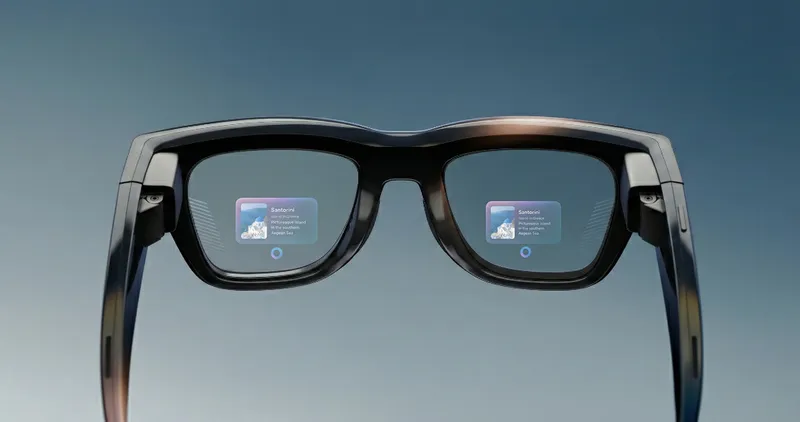
By HUD, we mean a small, fixed-position display that can offer contextual information such as notifications, turn-by-turn directions, AI output, or translations, typically (but not always) delivered through a waveguide.
We aren't including virtual monitor glasses like Xreal and Viture here, as their "birdbath" optics sit much further out from your eyes than real glasses and dim your real world view, so can't be used as your all-day eyewear.
| Full-Color | Binocular | Weight | |
| Meta's (Reportedly) | ✅ | ❌ | 70g |
| North Focals | ✅ | ❌ | 70g |
| Brilliant Labs Halo | ✅ | ❌ | 40g |
| Raven Glass | ✅ | ❌ | 45g |
| Even G1 | ❌ | ✅ | 45g |
| Rokid Glasses | ❌ | ✅ | 50g |
| XRAI AR2 | ❌ | ✅ | 50g |
| Inmo GO 2 | ❌ | ✅ | 50g |
| Inmo AIR 3 | ✅ | ✅ | >100g? |
| Halliday Glasses | ❌ | ❌ | 30g |
| Amazon's (Reportedly) | ✅ | ❌ | Unknown |
All of the HUD glasses here have a field of view somewhere between 20 and 35 degrees.
North Focals (Discontinued)
North was the first company to ship regular-looking consumer HUD glasses, all the way back in 2019, for $600.
Called Focals, its display was full color but monocular, meaning it provided a full color image, but only to one eye, like Meta's upcoming HUD glasses.
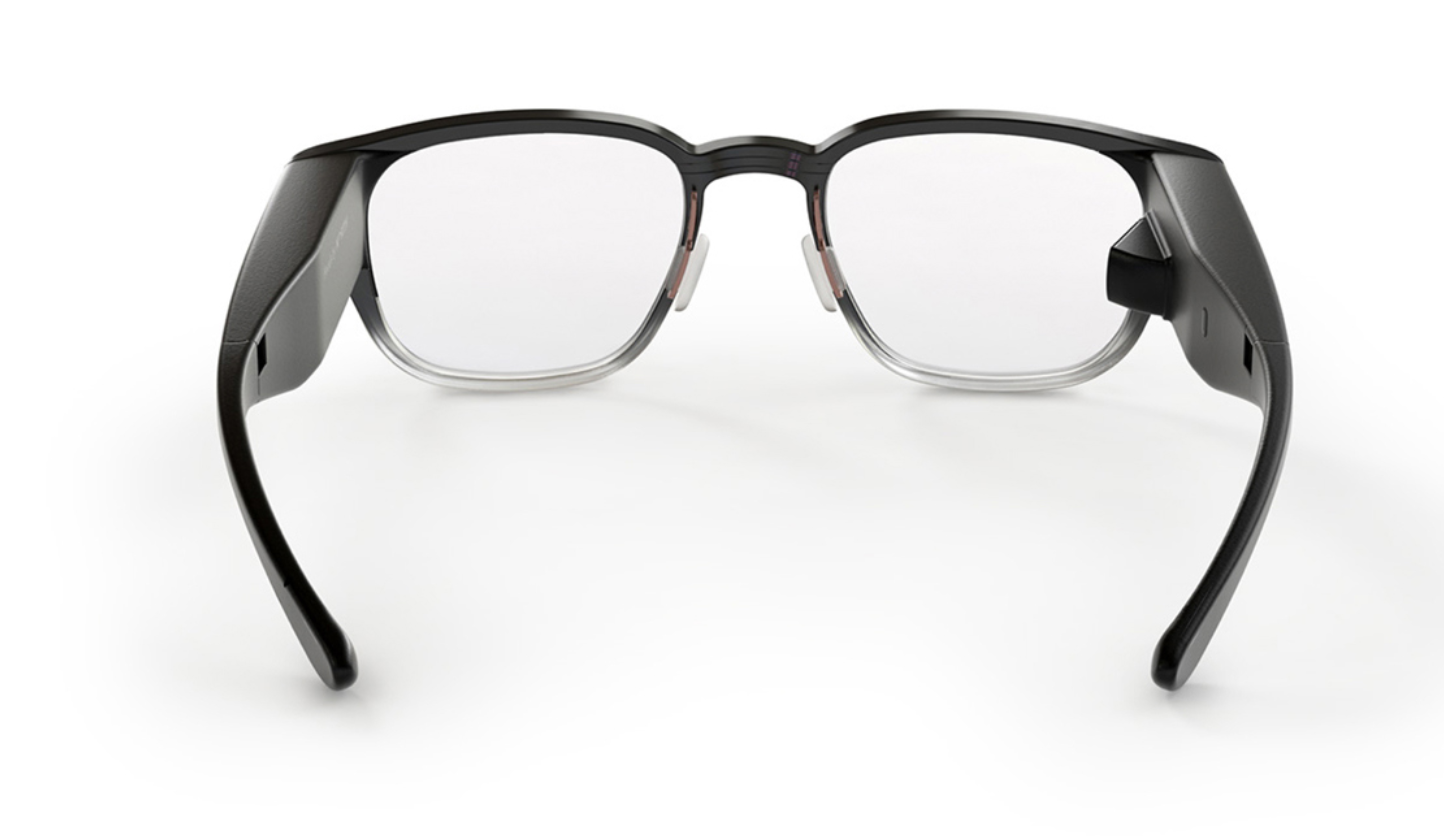
North Focals have somewhat of a cult following in our industry, and were inarguably very ahead of their time.
 Ian Hamilton
In 2020 North was acquired by Google, and Focals 2.0 was canceled. North's DNA exists today in Google and Samsung's reference design monocular HUD glasses, shown off at I/O 2025. No specific Google or Google-powered product with a HUD has been announced yet, though.
Even G1
Even Realities is a Chinese startup with a German subsidiary. Earlier this year it shipped G1, the first truly regular-looking smart glasses with a HUD.
G1 is binocular but monochrome, meaning it provides an image to both eyes, but this image consists of only one color, green.
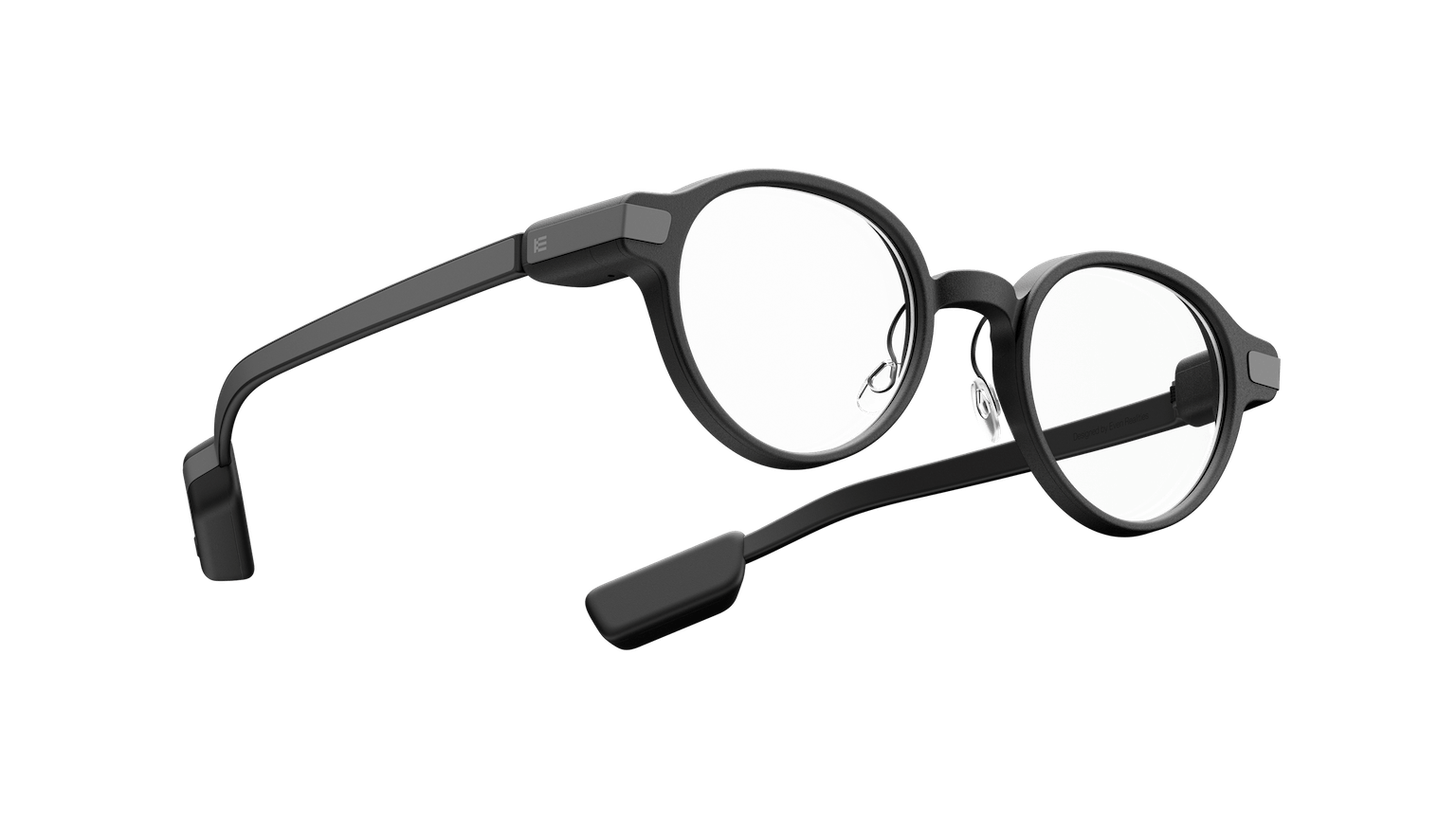
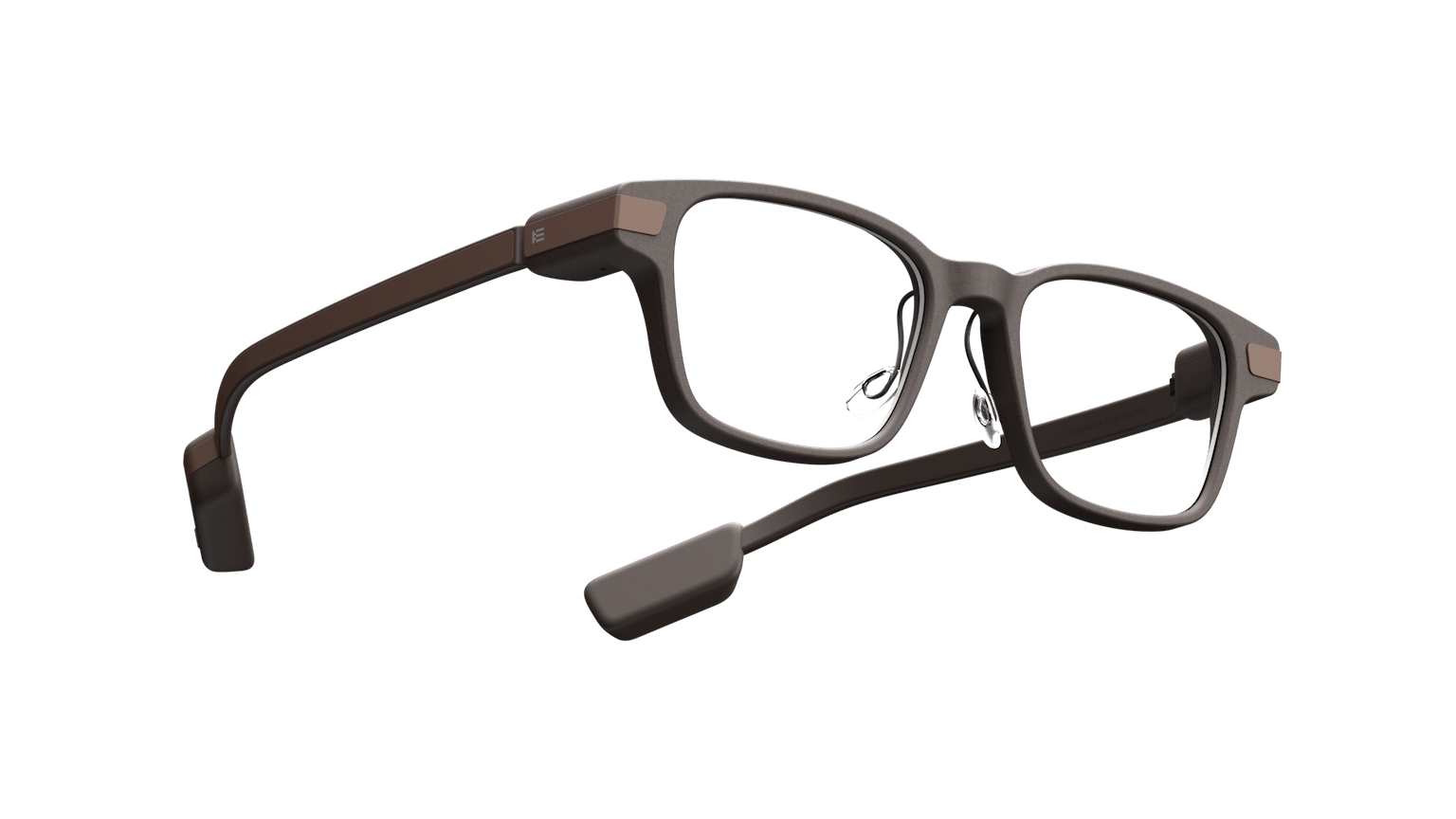
The two Even G1 styles.
The dual 640×200 green-only microLED displays are magnified over a field of view of 25 degrees, with a brightness of around 1000 nits.
Lacking any cameras or speakers, Even G1 is focused on text viewing use cases like acting as a teleprompter, translating and providing subtitles for real-world speech, and showing turn-by-turn navigation.
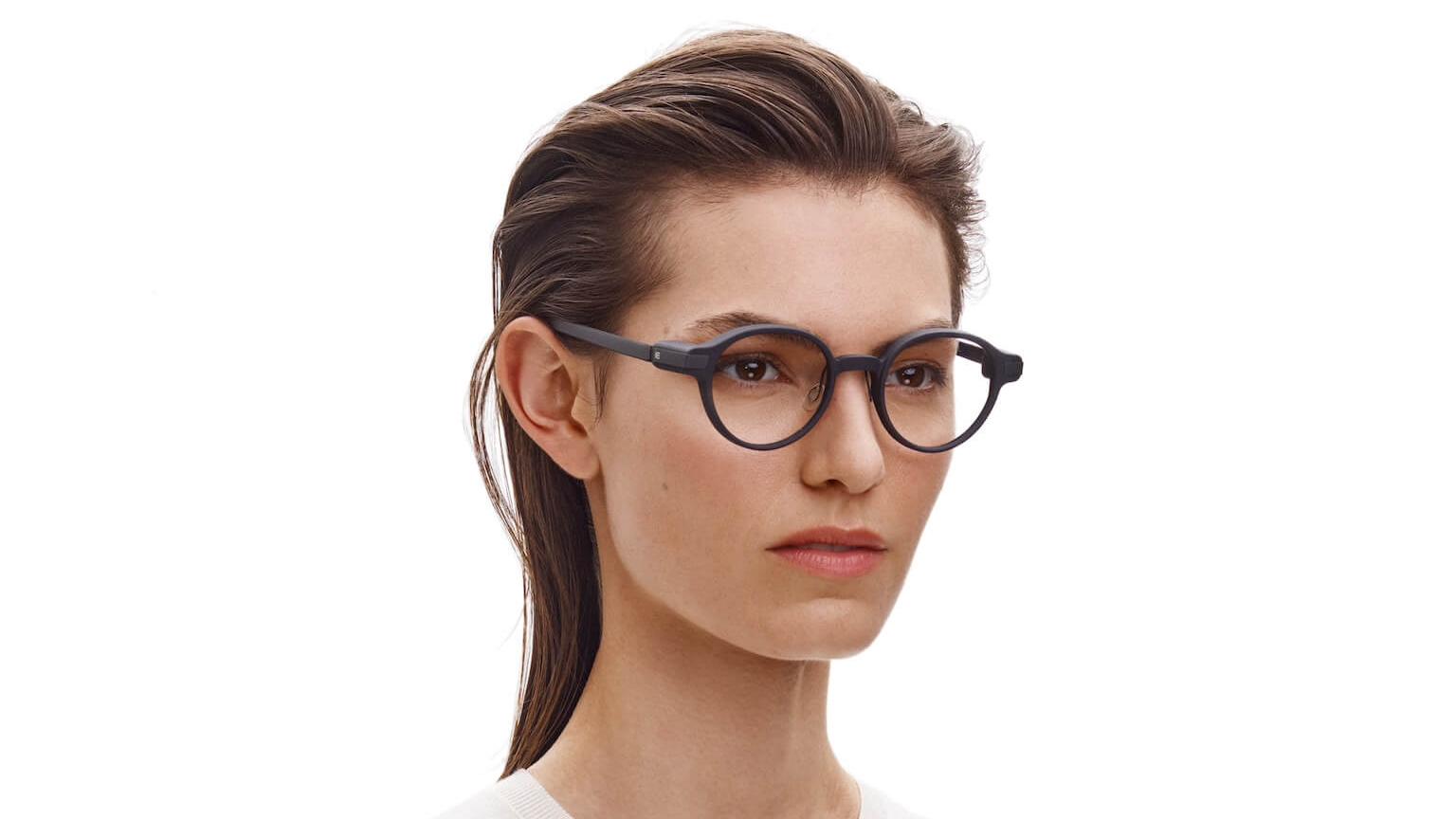
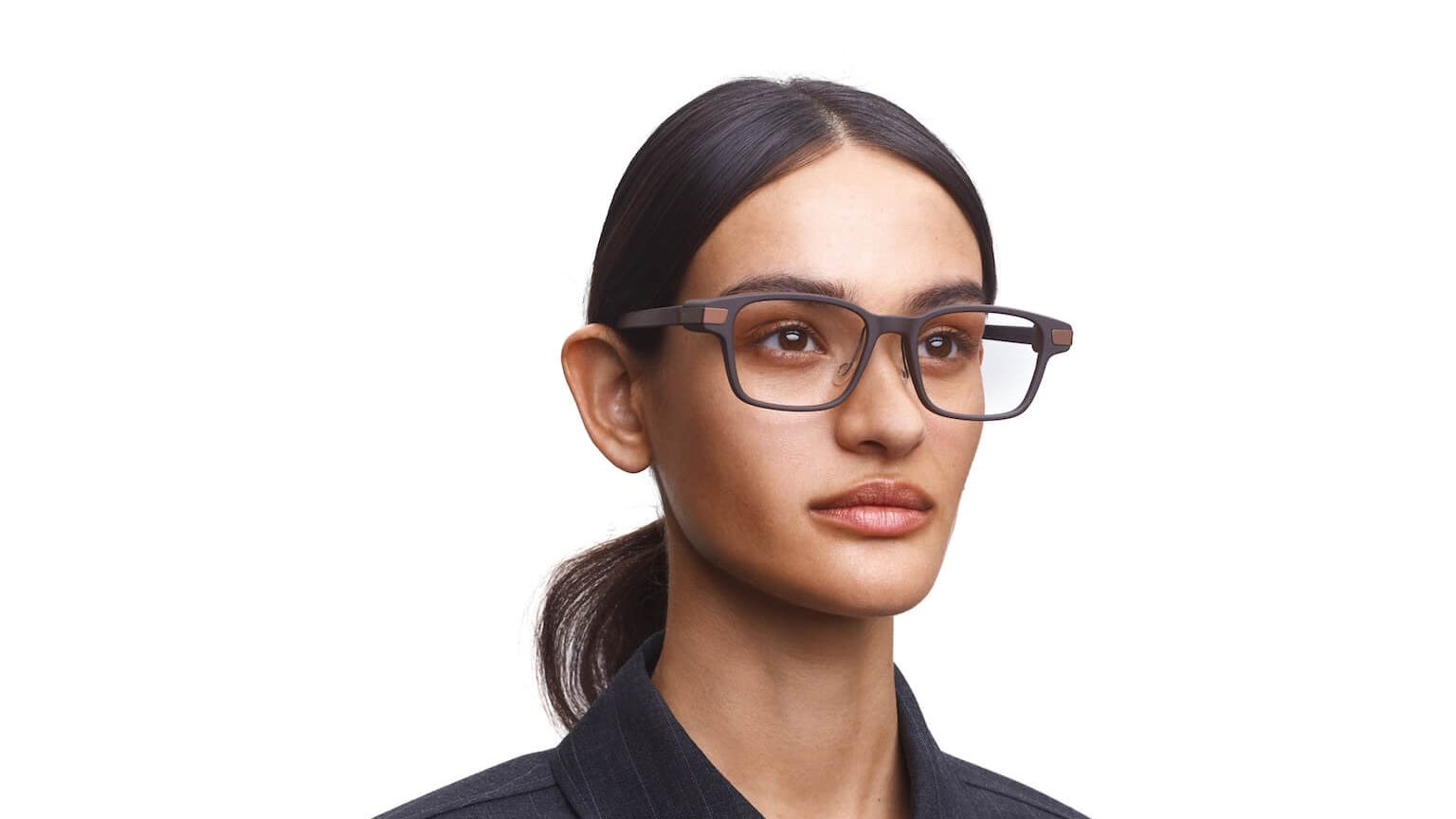
The two Even G1 styles, worn.
Even G1 weighs just 45 grams, and starts at $600 in the US. Two different styles are available, one with circular lenses and the other with a more rectangular design.
Brilliant Labs Halo
Brilliant Labs is a Singapore-based startup that's already onto its third product.
Its first in 2023, called Monocle, was a thick but light lens that attached to your existing glasses. Its second, called Frame, arrived last year, with a color monocular HUD that was externally very visible on the lens. Last month it revealed and opened preorders for its third, called Halo.
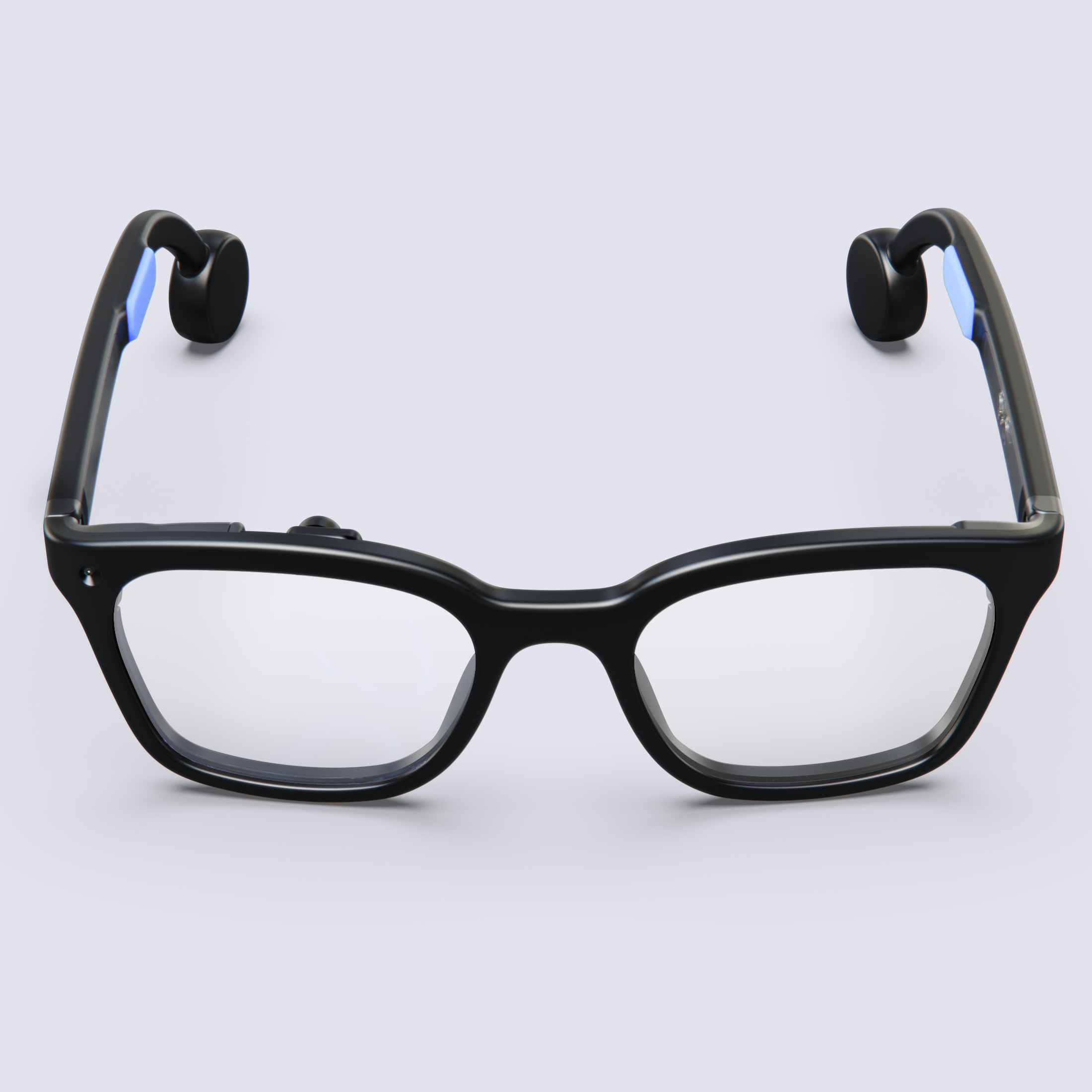
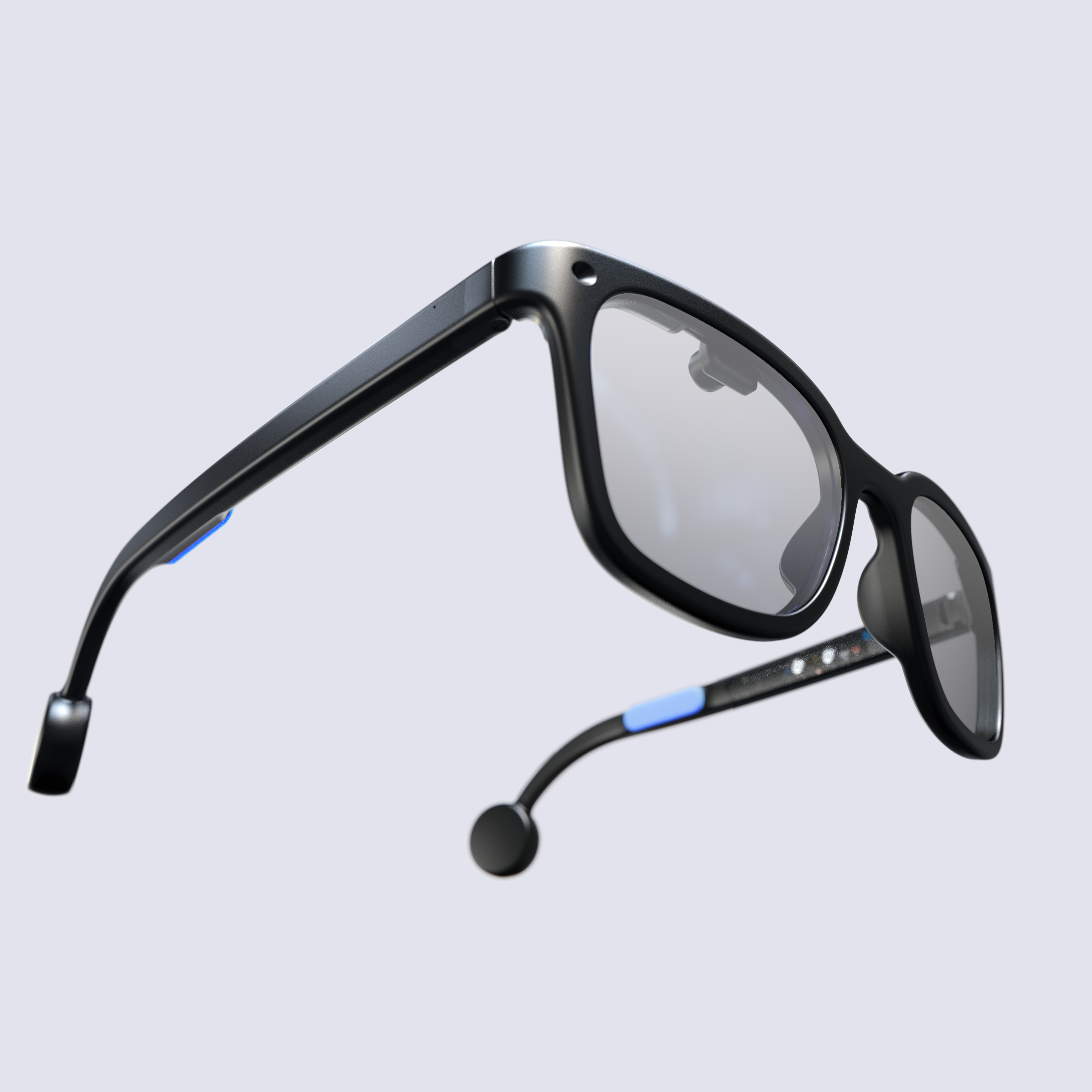
Brilliant Labs Halo
Halo's display is full color but monocular, meaning it provides a full color image, but only to one eye. You can externally clearly see the display module above the right lens, and it has diopter adjustment.
Brilliant Labs Halo has bone conduction speakers for private audio, two microphones with audio activity detection, and a "low-power optical sensor" designed for vision-capable AI models, rather than capturing images and videos.
Out of the box, Halo can talk to an AI called Noa, and it has an SDK for apps on connected Bluetooth devices, such as smartphones, to leverage its microphone, speakers, and image sensor, as well as the ability to run limited Lua scripts on-device. The operating system is also open source, like Mentra Live.
The Noa AI also has a "vibe mode", wherein you can create an app without coding by describing what you want it to do.

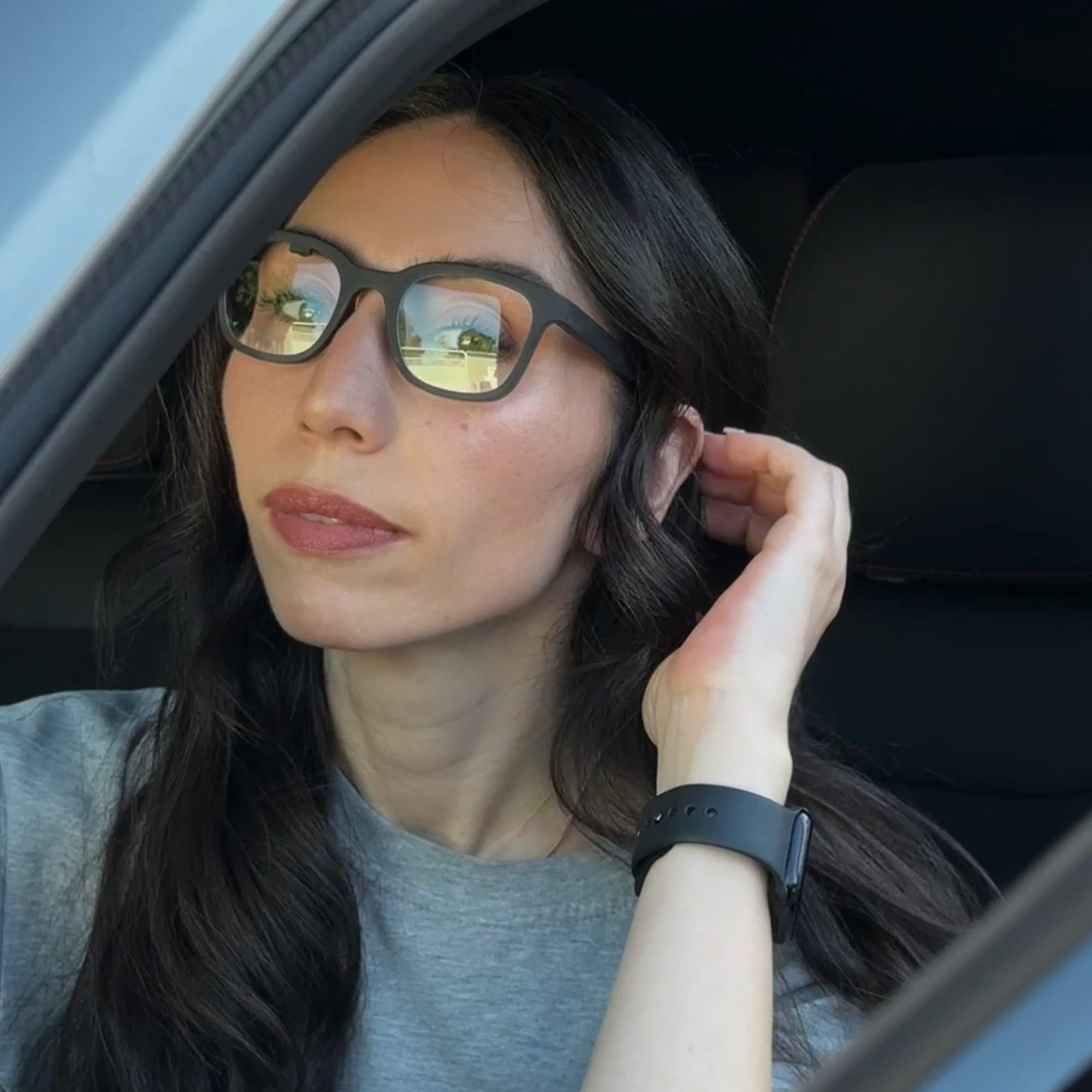
Brilliant Labs Halo
Halo weighs just 40 grams, and is available to preorder for $300, and should ship in Q4 of this year.
XRAI AR2
XRAI is a US startup very focused on captioning and translating speech, showing it as text on a HUD.
The company launched its first product, XRAI AR One, in 2024, and XRAI AR2 launched last month.
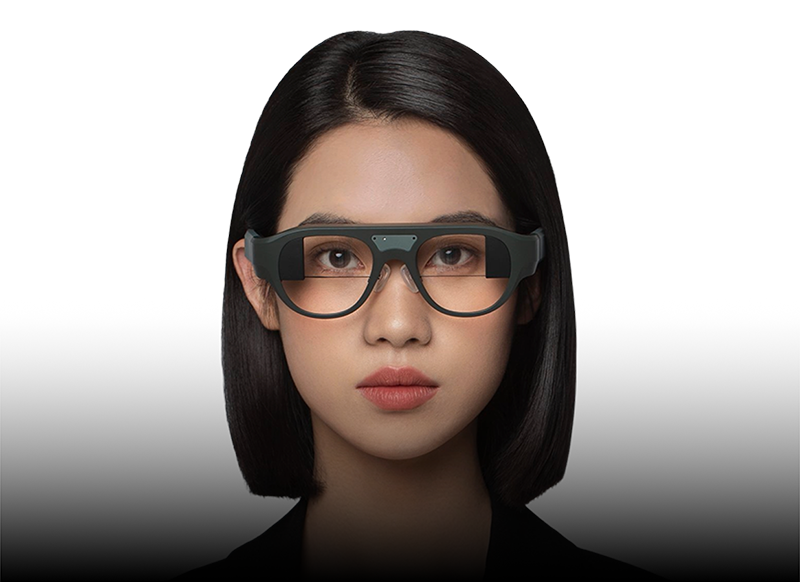
Similar to Even G1, both XRAI generations lack cameras or speakers, and are binocular but monochrome, meaning they present a green-only image to each eye.
XRAI AR One was bulky, with very visible optical modules, and weighed 80 grams, while XRAI AR2 looks more similar to regular glasses, and weighs 50 grams. However, the sleeker design comes at the cost of reliance on a smartphone – AR One had stronger onboard compute.
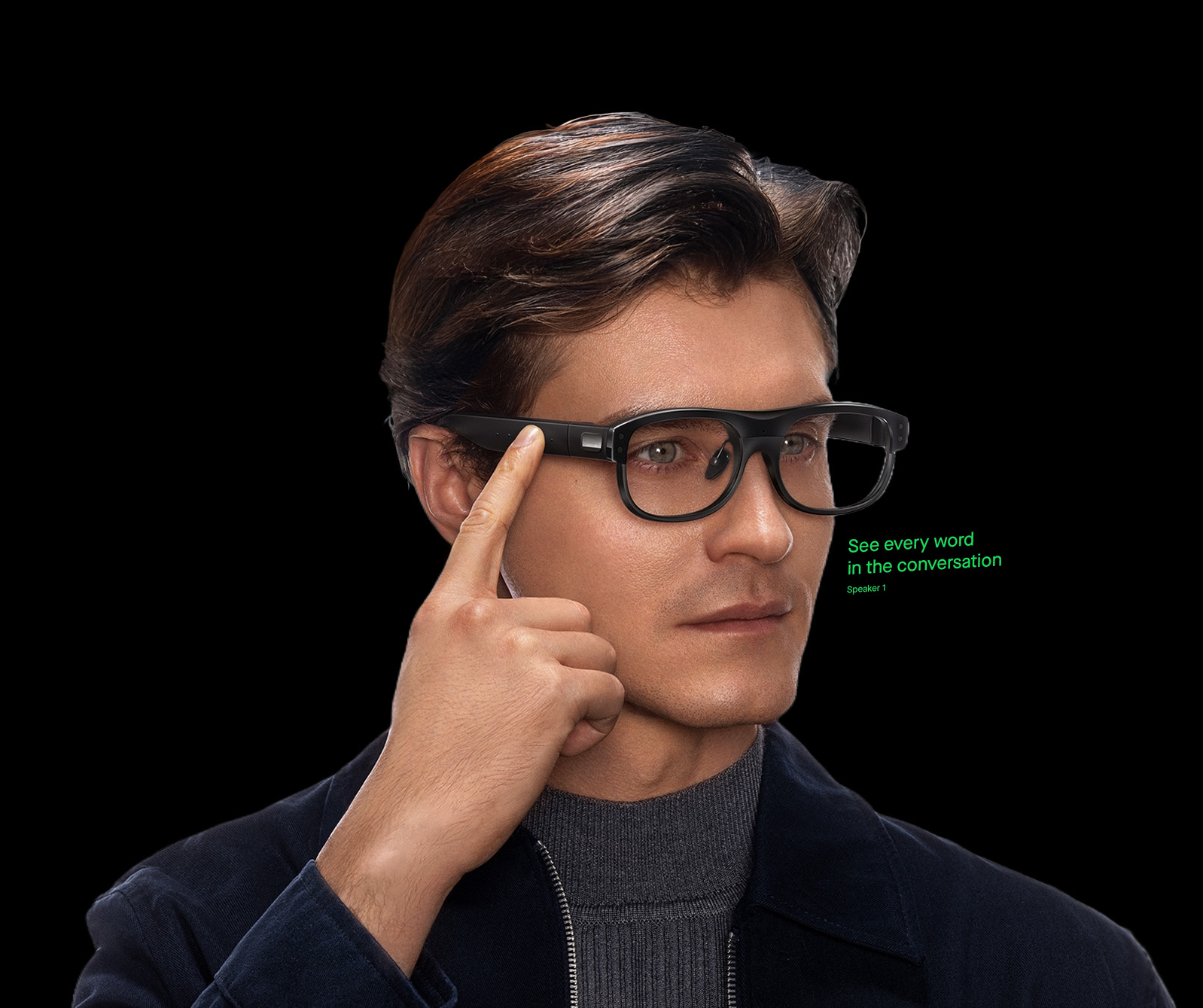
XRAI AR2 is priced at $880.
Halliday Glasses
Halliday Glasses shipped in limited quantities early this year.
They are both monocular and monochrome, meaning they show only the color green to one eye. But they're also the lightest HUD glasses, weighing just 30 grams.
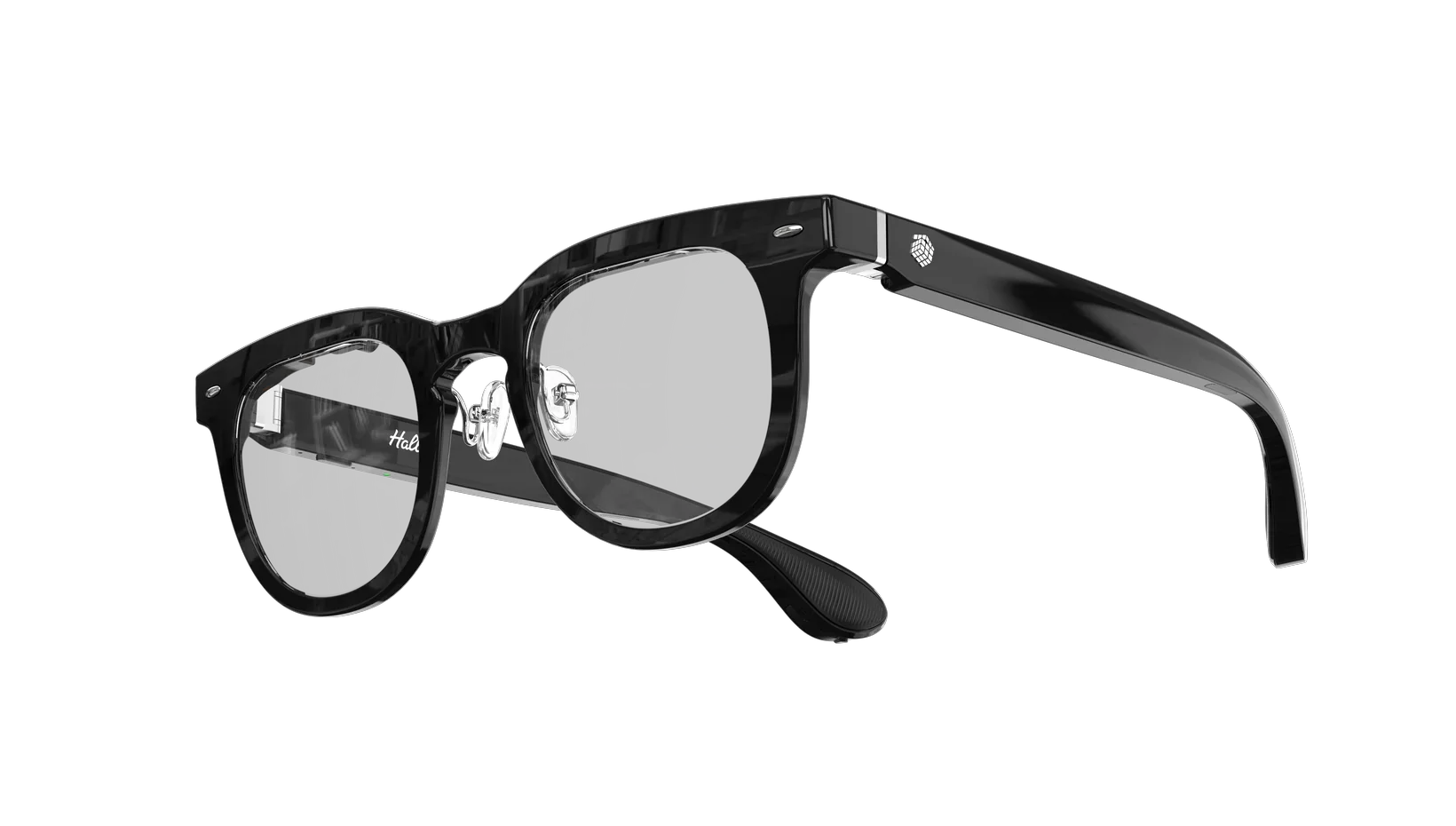
Halliday Glasses are normally priced at $500, with some early buyers given lower prices.
Raven Glass
Raven Resonance is a San Francisco startup working on monocular color HUD glasses called Raven Glass.
The startup will let developers freely run their own code on the glasses.
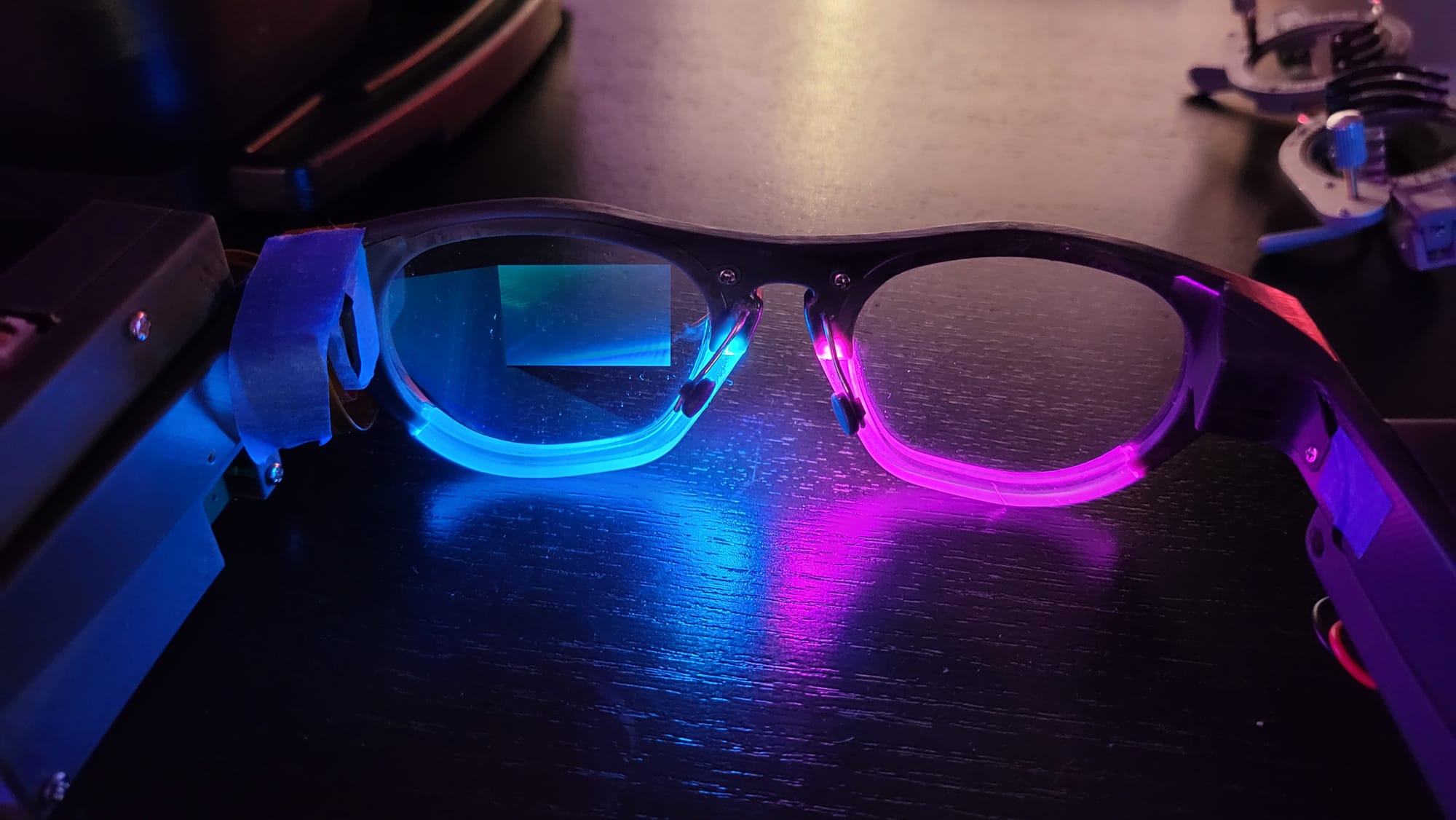
Raven intends to ship in late 2025 for around $1200.
Rokid Glasses
China-based Rokid has been making Xreal-style display glasses for years now, and recently announced its first regular-looking HUD glasses.
Rokid Glasses are binocular but monochrome, meaning they provide an image to both eyes, but this image consists of only one color, green.
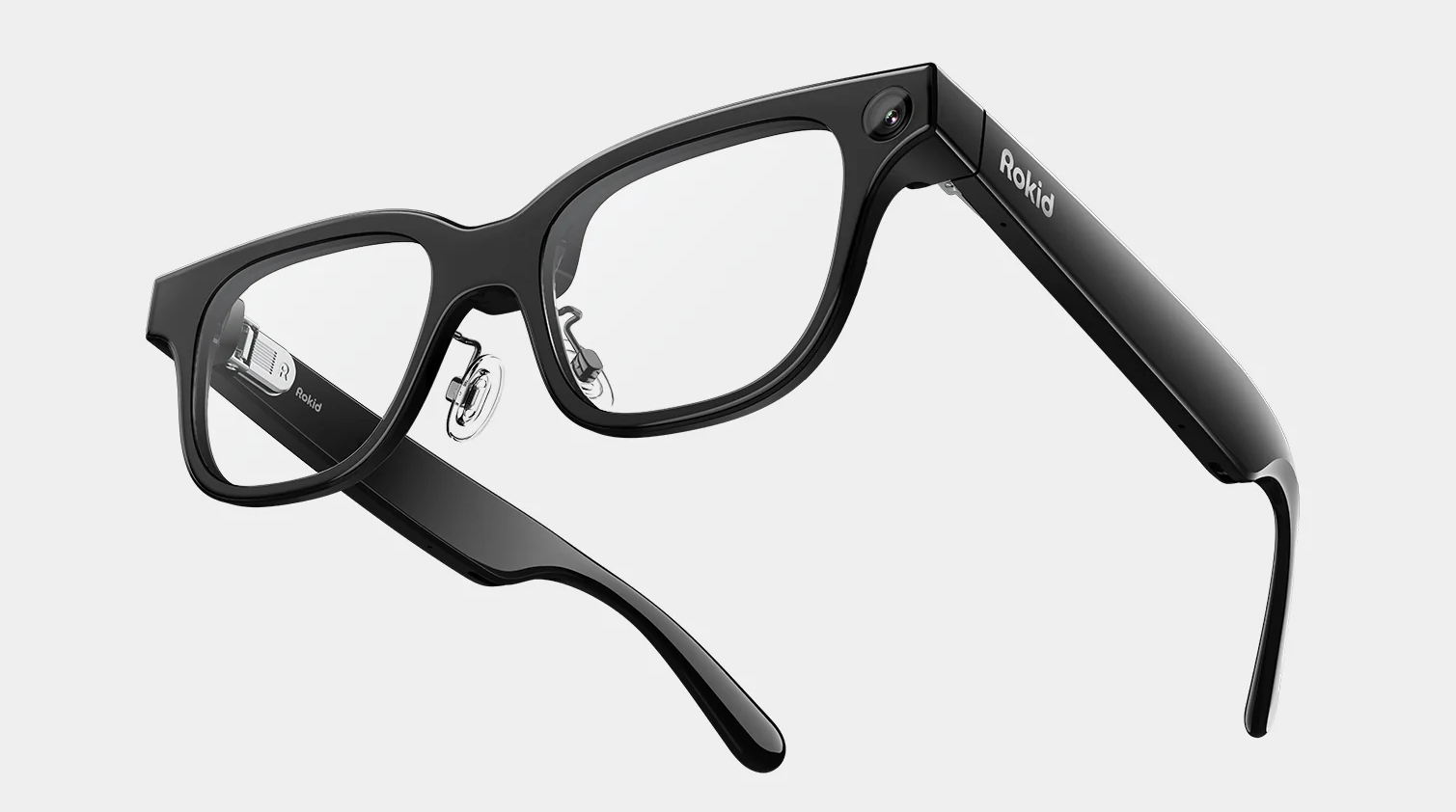
Rokid Glasses are priced at $600, and should start shipping in November.
Inmo Go & Go 2
Chinese startup Inmo has been one of the pioneers of HUD glasses, having first launched the Inmo Air, a green-only monocular device, back in 2022.

The Inmo Go series is still green-only, but Go 2 is binocular, meaning it provides an image to each eye.
The monocular Inmo Go is priced at $400, while the binocular Inmo Go 2 is $700.
Inmo Air 3
Inmo Air 3 is the only HUD glasses device on the market we're aware of that is both binocular and full color, providing a 1080p image to each eye.
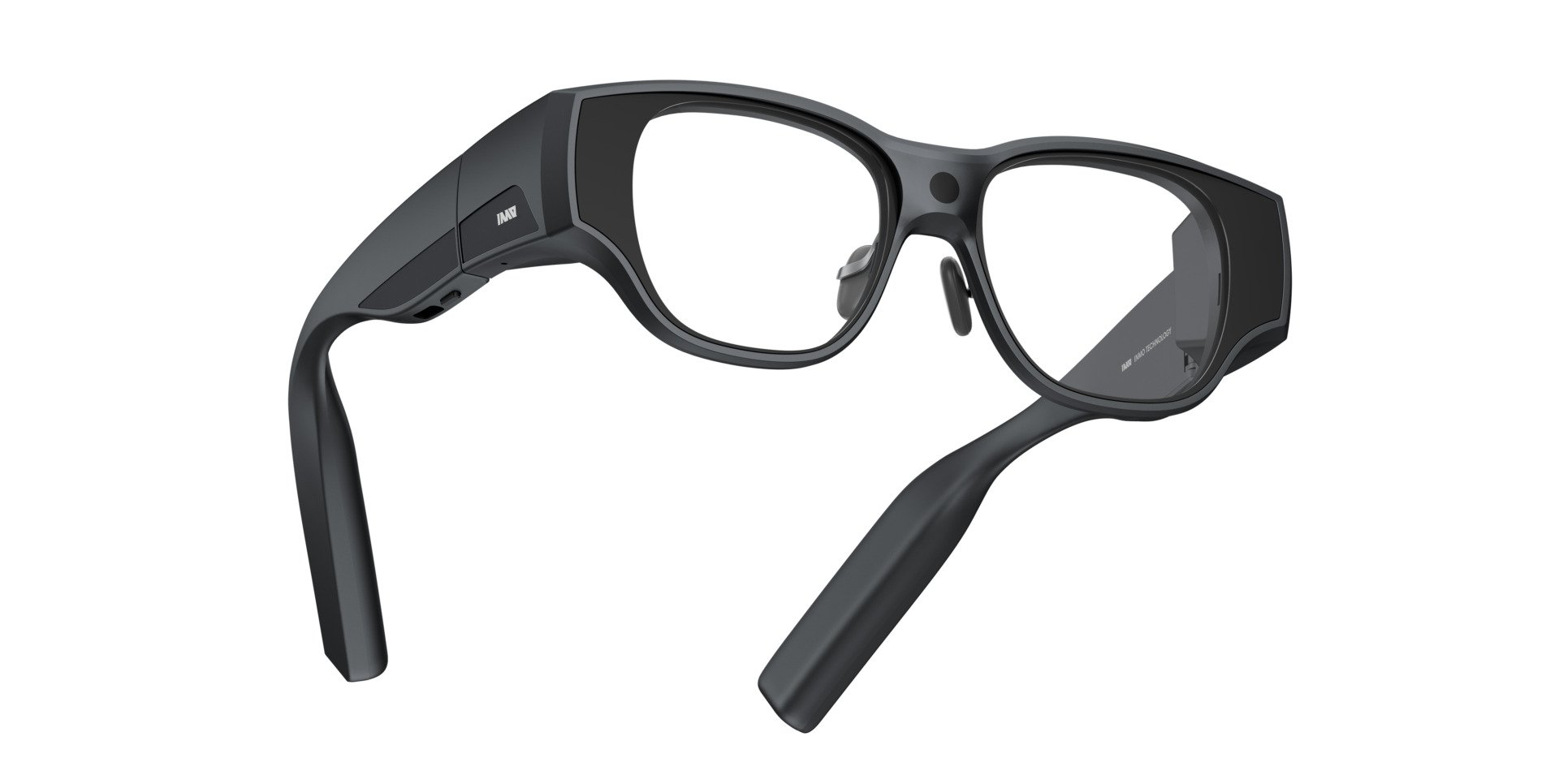
However, this comes at the cost of significant bulk, weight, and price. Inmo Air 3 apparently weighs over 100 grams, significantly heavier than any other device in this category.
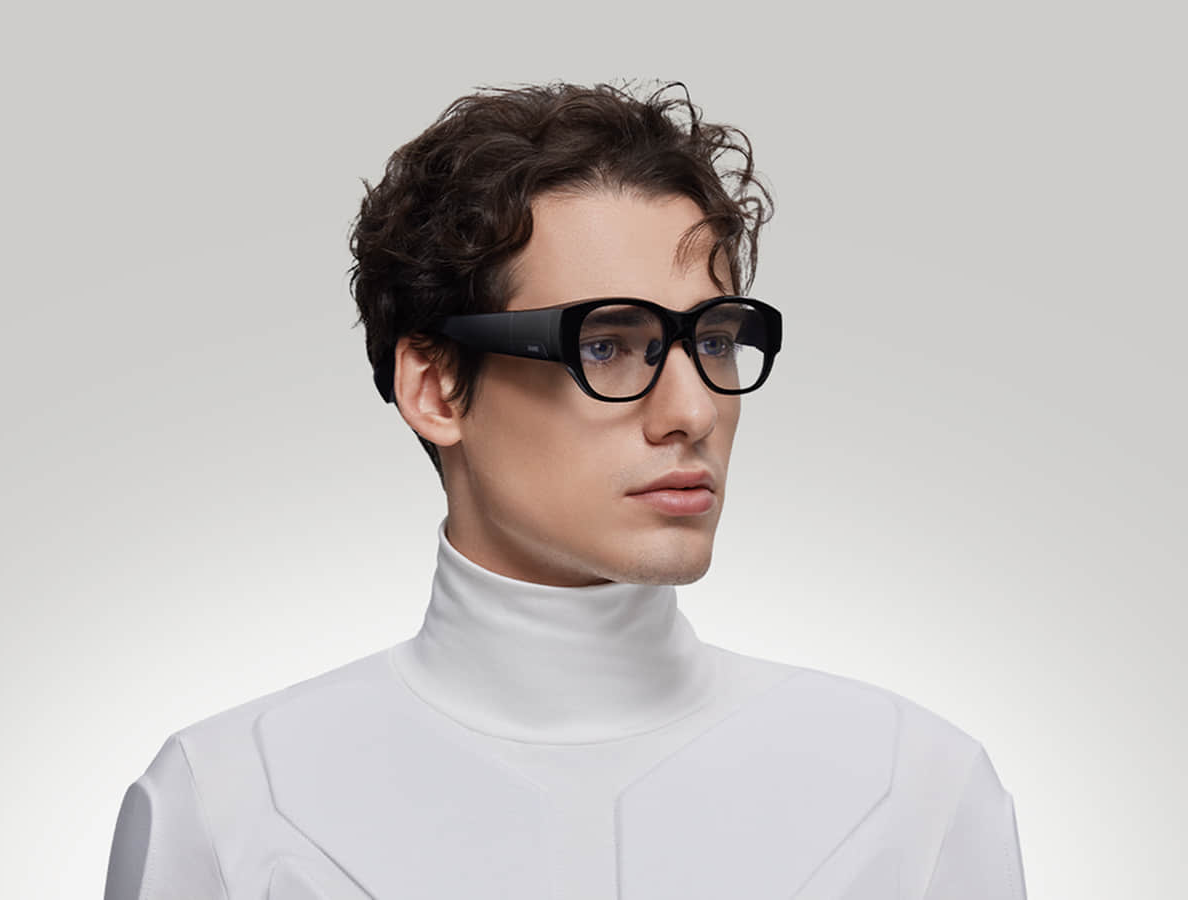
It's powered by an undisclosed Snapdragon XR chip, and is set to be priced around $1100 when it ships later this year. Some early adopters have already received the device.
Amazon (Reportedly)
Earlier this week, The Information reported that Amazon is working on monocular HUD glasses too.
According to the report, Amazon is working on two HUD glasses models, one for consumers and another for its delivery drivers.
 David Heaney
The delivery driver HUD glasses will be bulkier and have a monochrome display, the report says, while the consumer HUD glasses will be sleek and the display will be full color.
Amazon hopes to ship the delivery driver glasses in mid 2026, according to the report, with an initial production run of around 100,000 units. The consumer glasses should then follow in either late 2026 or early 2027.
True AR Glasses
In the West, there are currently no true AR glasses, meaning glasses that look somewhat regular and can position virtual objects in real space, on the consumer market.
While you can buy 6DoF (positionally tracked) virtual monitor glasses like Xreal and Viture, as mentioned before, these "birdbath" optics sit much further out from your eyes than real glasses and dim your real world view, so can't be used as your all-day eyewear.
RayNeo X3 Pro (China Only)
In China startups like TCL-backed RayNeo have been shipping true AR glasses for around a year now.
We reviewed the RayNeo X2, and found that while it is technically a pair of true AR glasses, its very narrow 25-degree field of view and extremely poor positional tracking means it just isn't a serious AR product.
 David Heaney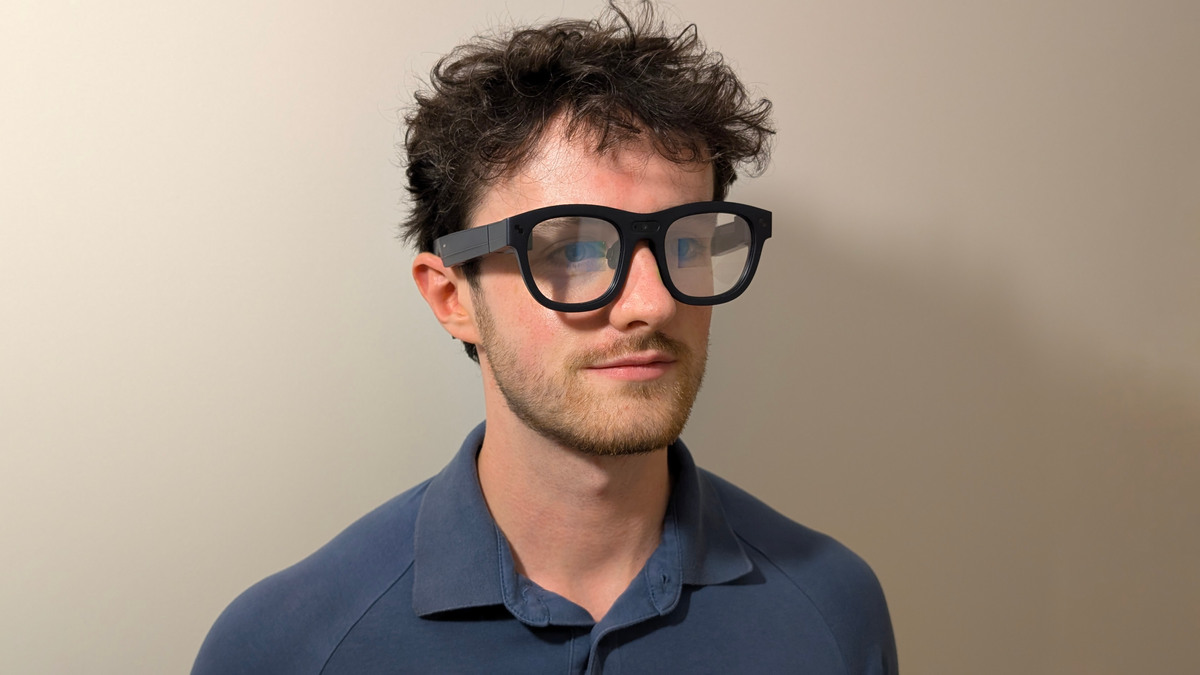
Since then, RayNeo has launched a successor called X3 Pro. While we haven't had the chance to try X3 Pro yet, it has the same narrow field of view, but reportedly has better positional tracking.
The glasses, which weigh around 80 grams, have been shipping in China since May, for the equivalent of around $1300.
Snap Specs (2026)
Snap, the company behind Snapchat, announced in June that it plans to launch fully standalone consumer AR glasses, called Specs.
It's set to be the culmination of a decade of the company's work on smart glasses. Snap publicly sold three generations of non-AR camera glasses between 2016 and 2019, years before the Ray-Ban Meta glasses, and in recent years has released two AR glasses development kits, called Spectacles.
 David Heaney
The first AR Spectacles development kit, made available to select developers from 2021, had a tiny 26-degree field of view, 30 minute battery life, and weighed 134 grams. The second generation AR Spectacles dev kit released in September for any interested developers to rent for $100/month, boosting the field of view to 46 degrees and the battery life to 45 minutes, but also increasing the weight to 226 grams and introducing a bulkier design that pushes the limits of what can be described as a true glasses form factor.
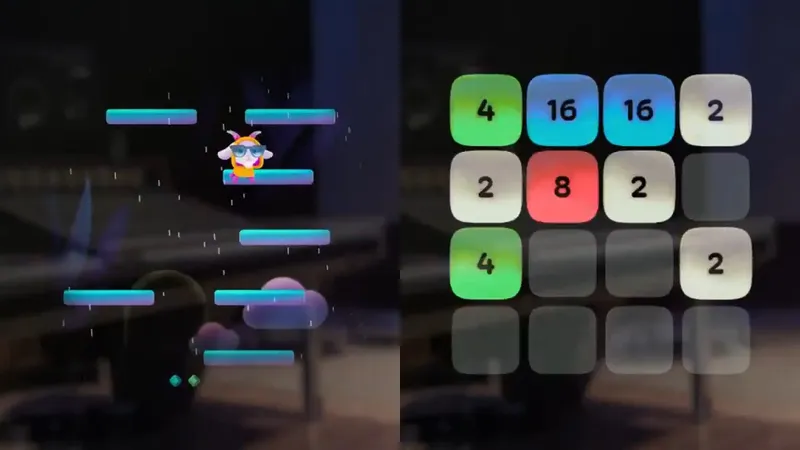
Both AR Spectacles development kits feature hand tracking and run Snap OS, a lightweight custom OS built specifically for AR that runs apps called 'Lenses', developed using Snap's Lens Studio software for Windows and macOS.
Compared to the current development kit, Spiegel claims the Specs releasing as a product in 2026 will have "a much smaller form factor, at a fraction of the weight, with a ton more capability", while running all the same Lenses developed so far.