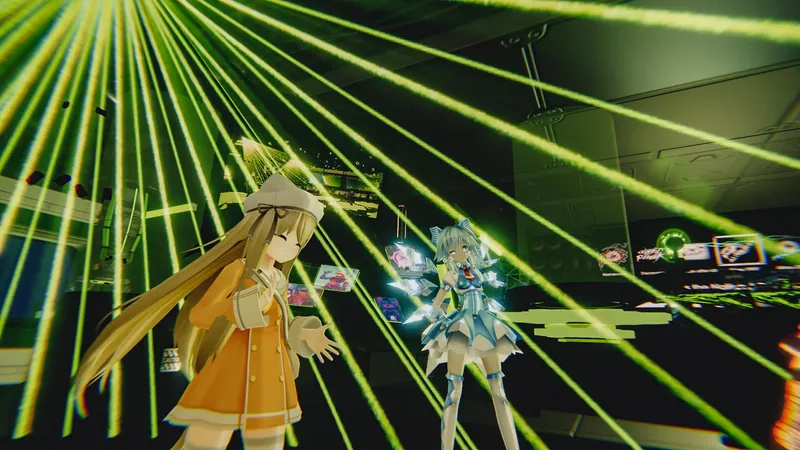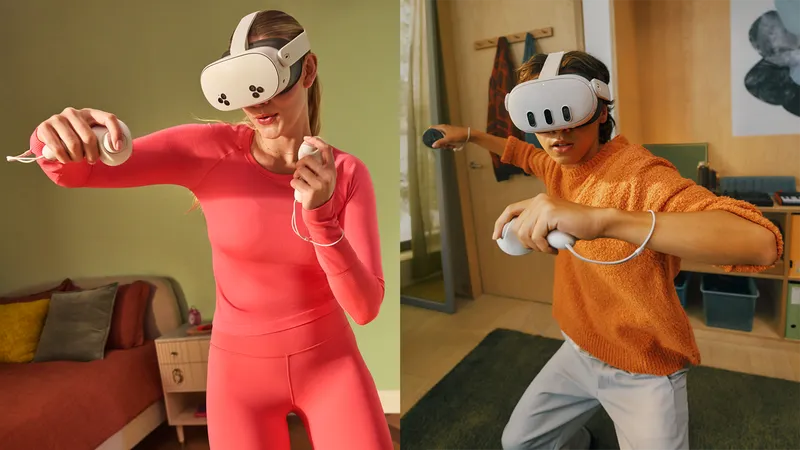


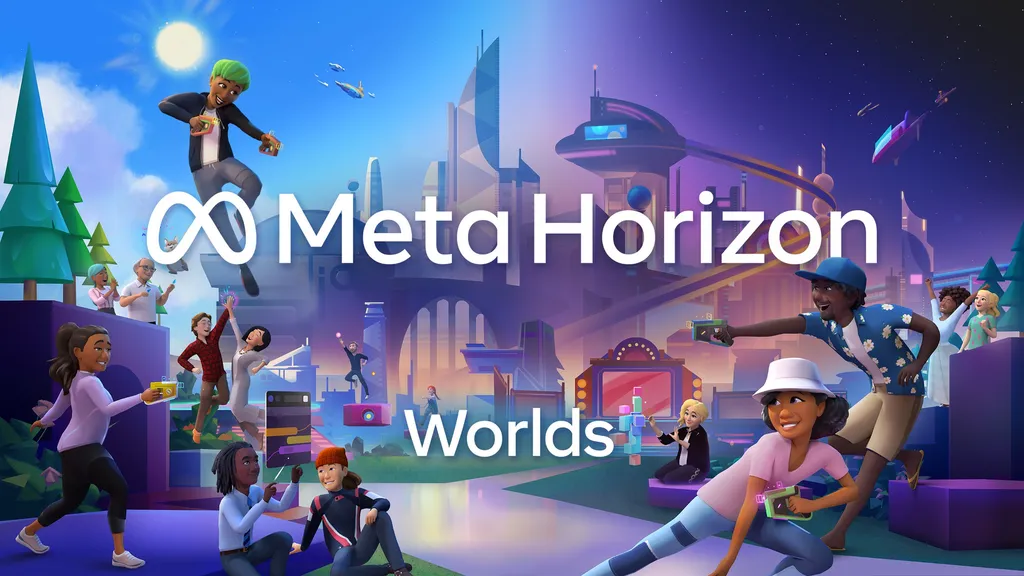
Meta Horizon Worlds is dropping VR support in June, meaning it will only be available as a flatscreen experience for the web and smartphones.
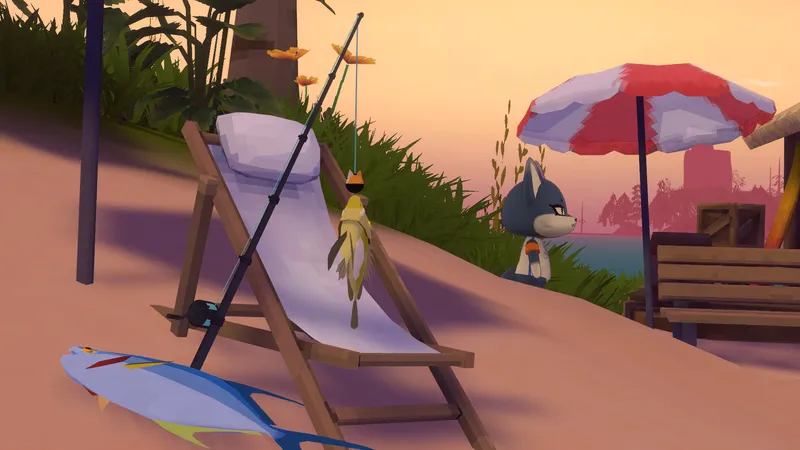
By March 31, Meta says the Horizon Worlds app will be delisted from Quest's store, and key first-party worlds such as Horizon Central, Events Arena, Kaiju, and Bobber Bay will no longer be accessible in VR.
Then, from June 15, the Horizon Worlds app will be removed from Quest headsets, and all worlds will no longer be accessible in VR.
Horizon Worlds will remain accessible as a flatscreen experience from the web and the Meta Horizon smartphone app, and Meta says it plans to continue to develop, expand, and invest in Horizon Worlds as a mobile experience.
The end of VR support for Horizon Worlds will also mean you can no longer invite friends to join your Horizon Hyperscape scans as Meta Avatars, since this was done through Horizon Worlds.
 Jamie Feltham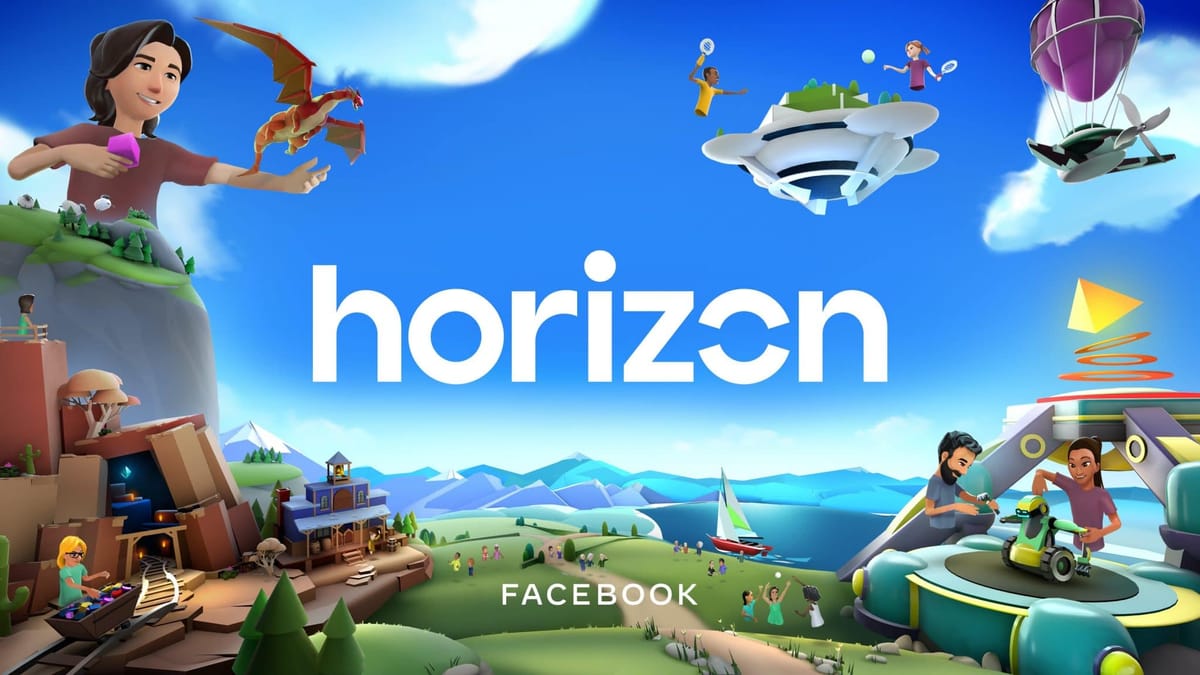
Launched as Facebook Horizon in 2020 until it was rebranded to Horizon Worlds a year later, the platform was supposed to be an early instantiation of the VR metaverse of science fiction.
Originally, its focus and unique feature was on in-VR creation, with all worlds created by users inside Quest or Rift headsets by using Touch controllers to place and manipulate primitive shapes and adding dynamic functionality via a spatial visual scripting system.
But while this goal of democratizing creation was somewhat admirable, it led to overly crude graphics that faced widespread ridicule on social media, especially combined with the common misconception that Meta's entire AR/VR budget was being spent on Horizon Worlds.
In 2023, Meta started rolling out flatscreen desktop PC software to create worlds using a traditional game creation workflow, with the ability to import textured 3D meshes and use TypeScript to add functionality. By 2025 this was available to all creators.
It's arguable, however, that this toolset arrived far too late, and that the reputational damage to Horizon Worlds had already been done. The infamous Mark Zuckerberg selfie is still being shared on social media to this day as the singular depiction of Horizon Worlds, despite being a bad example of the platform even when it was first posted in 2022, and not at all representative of its current state.
As political strategist Lee Atwater said four decades ago, perception is reality, and Horizon Worlds as a VR platform, no matter how much it had changed since that Zuckerberg selfie, was never able to shake its public perception.
 David Heaney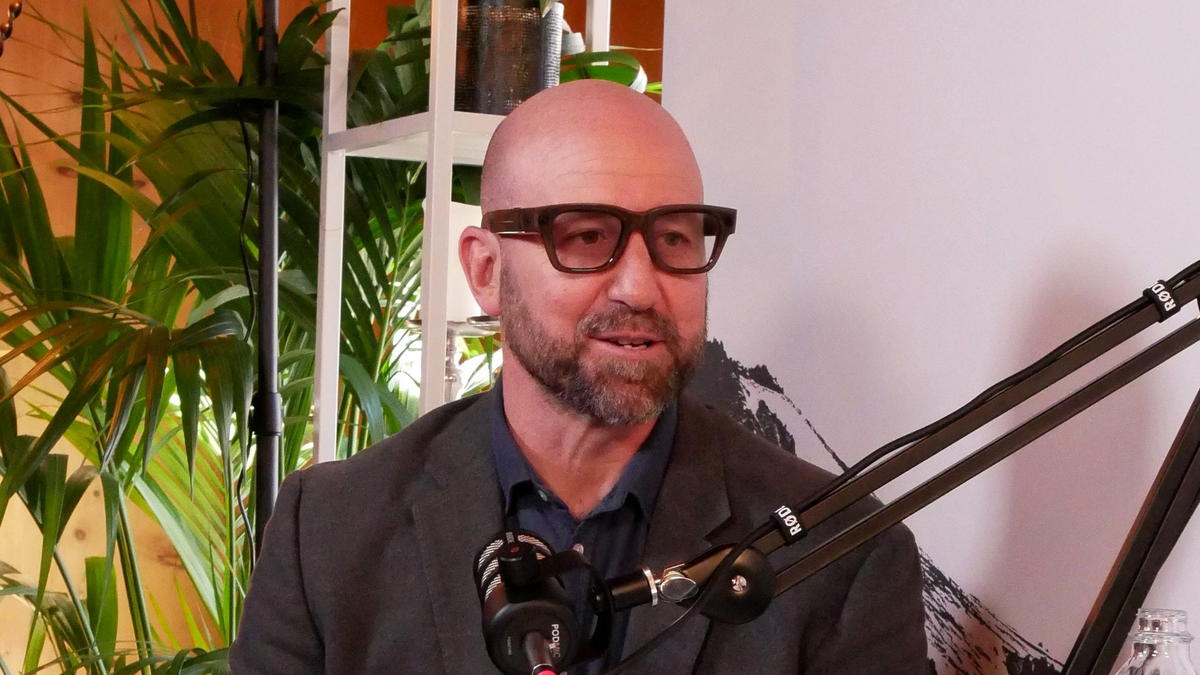
Back in January, Meta CTO Andrew Bosworth claimed that Meta has seen “really, really positive pickup” in Horizon Worlds on smartphones, and said that the company planned to double down on this.
“You've got a team that actually has product market fit in a huge market on mobile phones, and they're having to build everything twice. They're building it once for mobile phones, and building again for VR. There's a pretty easy way to increase their velocity: just let them build for mobile. So Horizon is very focused now on mobile — not exclusively, but almost exclusively,” Bosworth was quoted as saying.
In February, Meta officially announced that it was "explicitly separating" Horizon Worlds from Quest, removing worlds from the operating system interface and store while making Horizon Worlds "almost exclusively mobile".
 David Heaney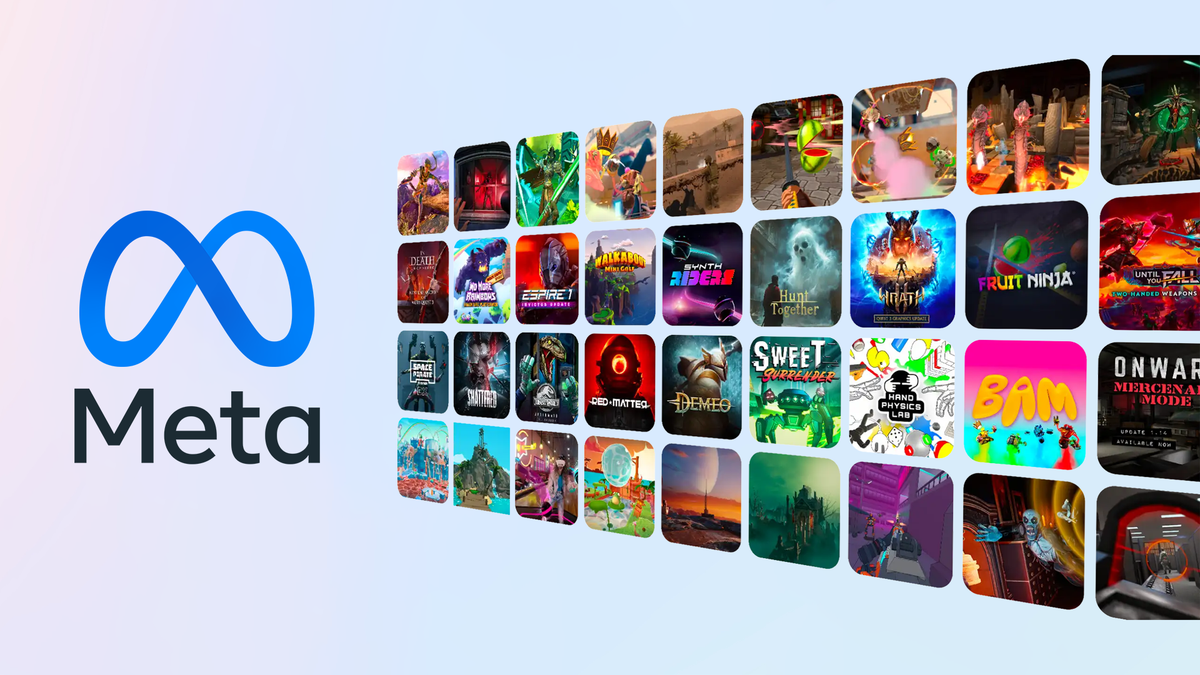
Those "exclusively" quotes are very notable, as they suggest that just one month ago Meta was still planning to keep Horizon Worlds in VR, or that leadership hadn't finalized the decision to remove VR support.
What are your thoughts on the end of Horizon Worlds in VR? Are you glad to see it go, or sad to see it not given time to reach its potential? Let us know in the discussion below.