

Meta has officially confirmed "shifting some of our investment from Metaverse toward AI glasses and Wearables", following reports of an up to 30% budget cut for parts of Reality Labs.
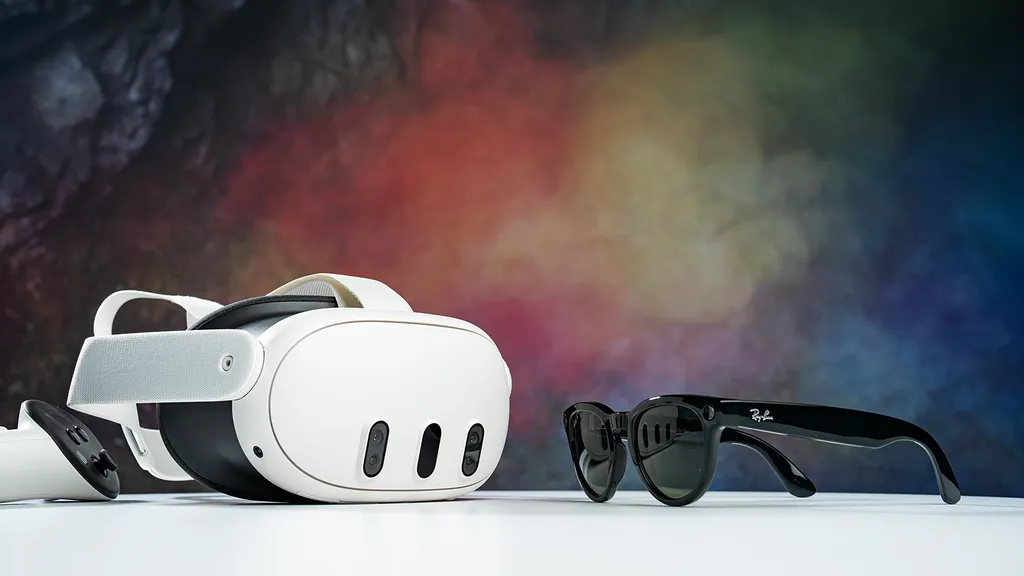
Reality Labs, if you're unaware, is the division of Meta behind its Quest headsets, Horizon software, smart glasses, and sEMG wristband, as well as researching future technologies such as Codec Avatars and true AR glasses.
Yesterday, Bloomberg first reported that the division is facing up to 30% budget cuts that would primarily target VR and Horizon Worlds.
Following Bloomberg's report, other mainstream news outlets including The New York Times, The Wall Street Journal, and Business Insider have published their own reports corroborating the general claim, with slightly differing details, and the NYT and BI even received an official prepared statement from Meta, which the company confirmed to UploadVR.
"Within our overall Reality Labs portfolio we are shifting some of our investment from Metaverse toward AI glasses and Wearables given the momentum there," the statement reads. "We aren't planning any broader changes than that."
Business Insider's report suggests that the cuts will primarily hit Horizon Worlds, and that employees are facing "uncertainty" about whether this will involve layoffs. One likely cut BI's report mentions is the funding for third-party studios to build Horizon Worlds content.
The New York Times report, on the other hand, seems more definitive in stating that these cuts will come via layoffs.
 David Heaney
Meta's funding shift from Horizon Worlds and VR to smart glasses comes just over a year after a leaked memo from Meta CTO Andrew Bosworth told Reality Labs staff that 2025 will determine whether their projects are "the work of visionaries or a legendary misadventure".
In the memo, Bosworth described 2025 as "the most critical year in my 8 years at Reality Labs", and told staff they "need to drive sales, retention, and engagement across the board but especially in MR". Note that at the time, Meta was using MR to refer to VR too, a nomenclature that it ended earlier this year.
"And Horizon Worlds on mobile absolutely has to break out for our long term plans to have a chance", Bosworth followed that sentence with.
Since then, Reality Labs saw its highest-ever quarterly revenue in Q4 2024 with the launch of Quest 3S, which was the top-selling console on Amazon US for Christmas. But this momentum did not carry through into 2025 at all.
The first two quarters of 2025 saw Quest sales decline year-over-year, revealing that while Quest 3S was a popular stocking stuffer, it simply is not a successful year-round product. While Q3 saw a rebound, Meta explained that this was due to retailers stocking up on Quest 3S for this year's holiday season.
Next year, our sources suggest that Meta has prioritized shipping an ultralight Horizon OS headset with a tethered compute puck instead of a traditional form factor Quest 4, and the company will be closely tracking how it performs in comparison to Quest 3 and Quest 3S through 2027.
Meanwhile, Meta has continued to push its Horizon Worlds "metaverse" platform with multi-million-dollar creator competitions, especially focused on smartphone-only worlds, as the company hopes to scale the platform from a social VR space to a cross-platform Roblox and Fortnite competitor. But this doesn't seem to have gained much traction.
Meta is set to roll out its Horizon Studio world creation toolset, powered by the Horizon Engine it built to replace Unity in Horizon Worlds, and the company will be closely tracking whether this meaningfully improves engagement.
 David Heaney
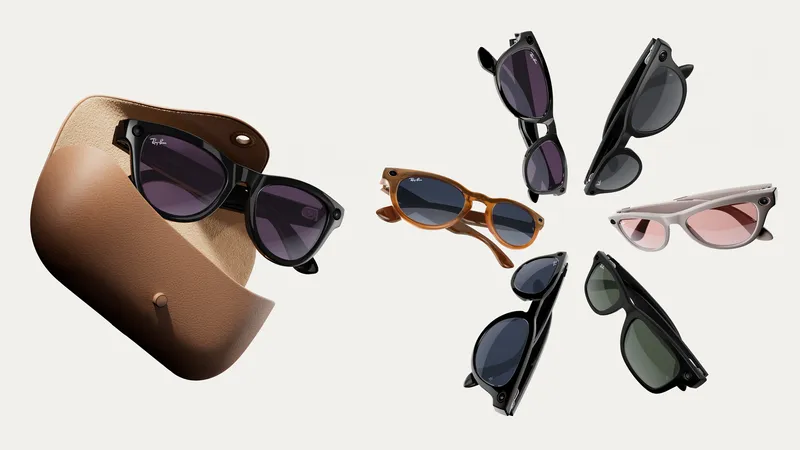
This relative stagnation in its Quest and Horizon Worlds efforts comes as the company is seeing skyrocketing sales and significant public and investor interest in its smart glasses.
Back in February, in its Q4 2024 earnings call, Meta's partner EssilorLuxottica said that the Ray-Ban Meta glasses had sold 2 million units, and in its Q2 2025 call in July said that sales had more than tripled since last year, performing "exceptionally well".
In its Q2 2025 call in July, the company said that the glasses were performing "exceptionally well" in the market, with sales having more than tripled compared to 2024.
During the February call, the company also announced that its annual production capacity for smart glasses would be increased to 10 million by the end of 2026. And in its Q3 2025 sales call in October, it said that it was accelerating this target to reach the 10 million annual production rate sooner, as smart glasses drove more than a third of its quarterly growth.
 David Heaney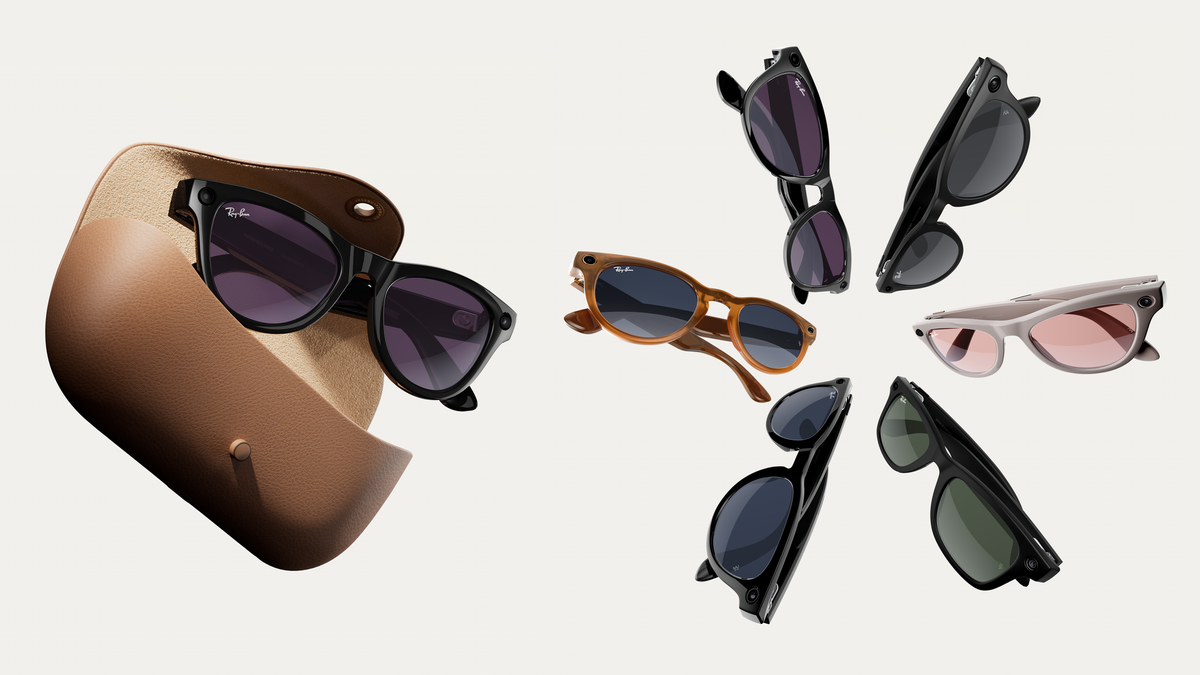
This combination of significant success in the smart glasses space and relative failure in growing its VR headset and metaverse platform business is likely the driver of the company's decision to shift some funding to the former, hoping to further establish itself as the leader in the space before rival products from Apple and Google arrive.