

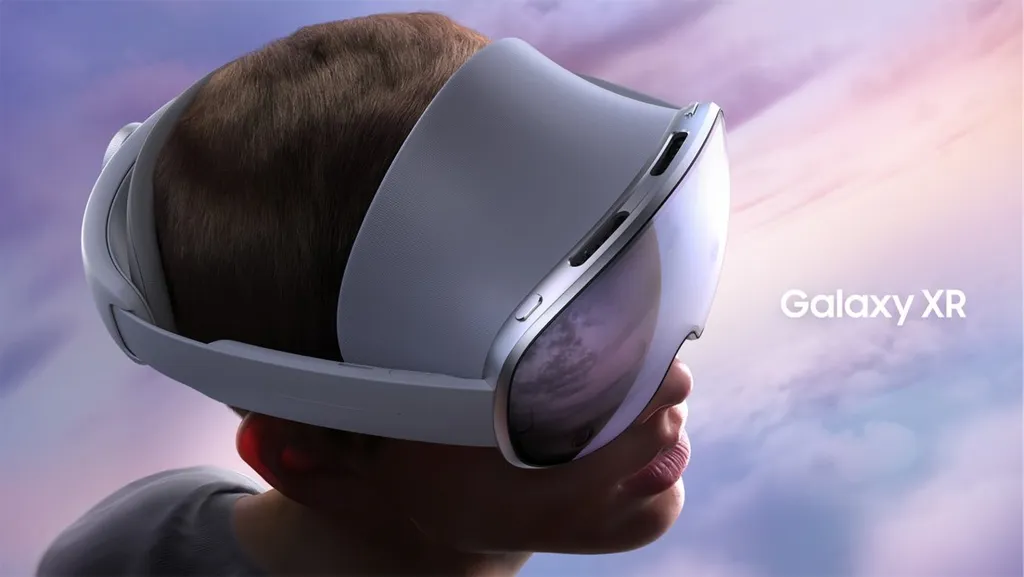
Samsung Galaxy XR with Google's Android XR is available now in the US & South Korea for $1800, and its controllers are $250 extra, or $175 if you buy them with the headset before November 17.
The launch comes almost three years after Samsung first announced that it was working on a standalone XR headset, with Google handling much of the software and Qualcomm providing the chipset, and almost a year after it formally unveiled it as "Project Moohan" as Google revealed Android XR.
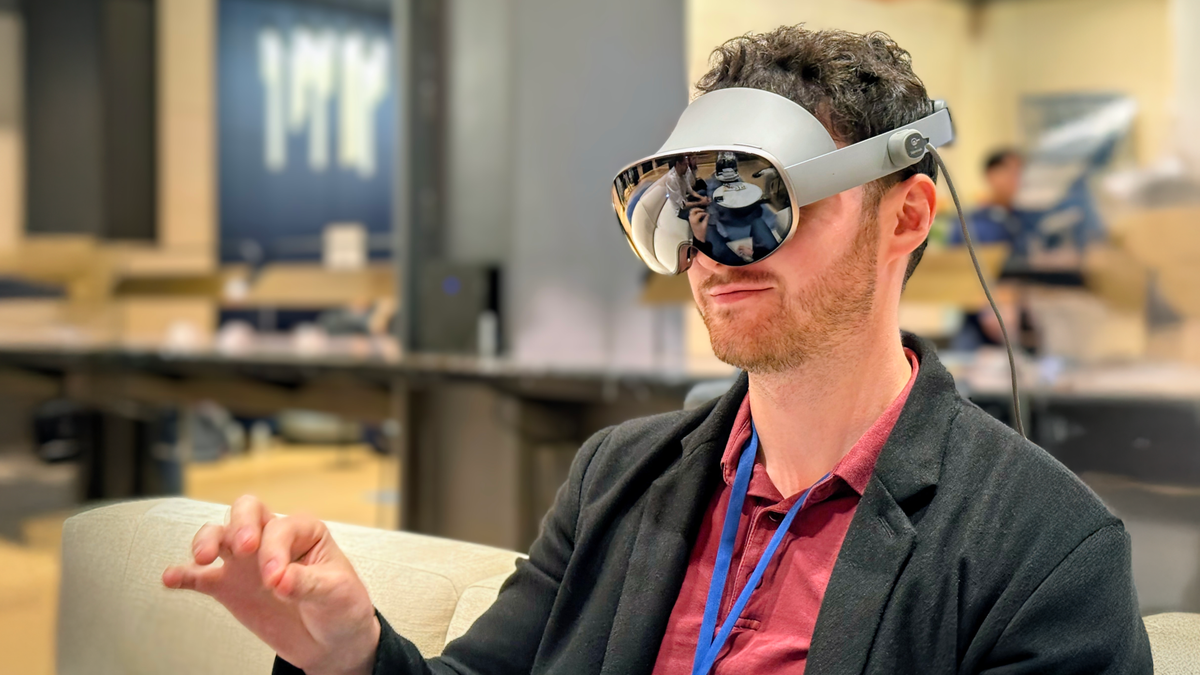
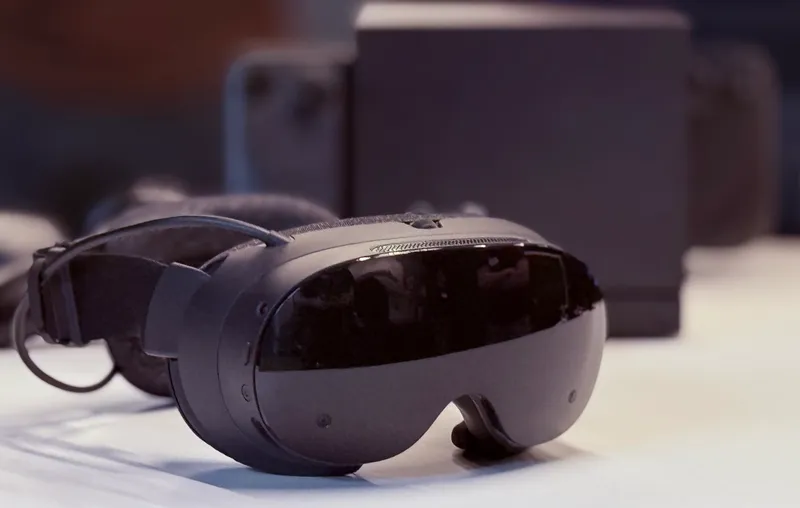
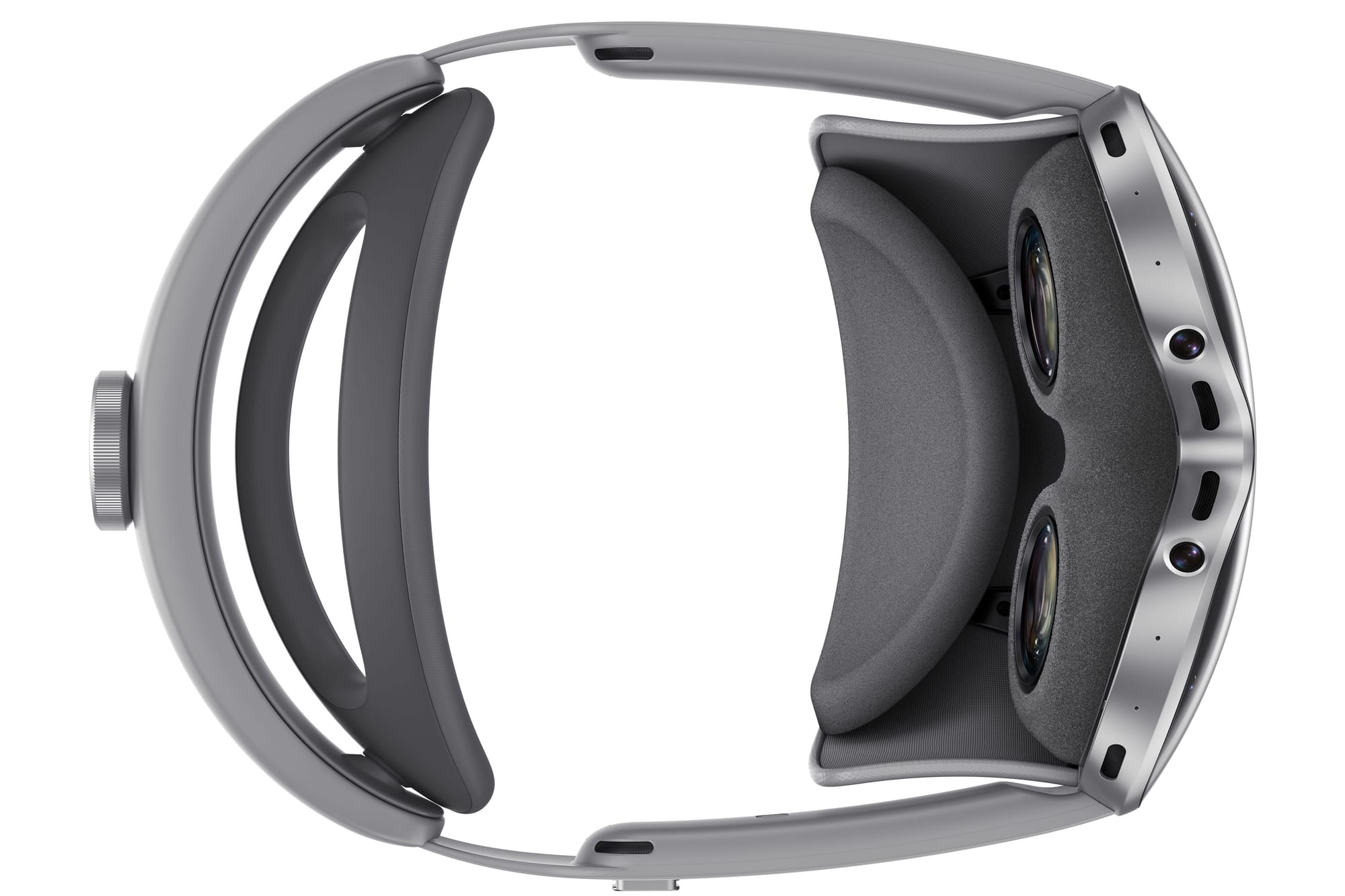
Galaxy XR is a high-end standalone headset with 4K micro-OLED displays, hand tracking, eye tracking, face tracking, an active depth sensor, and fully automatic motorized lens separation adjustment to match your interpupillary distance (IPD).
 David Heaney
It's powered by Qualcomm's Snapdragon XR2+ Gen 2, a higher-end variant of the chipset in Quest 3 and Quest 3S which has already shipped in Play For Dream MR, paired with 16GB of RAM. And it requires an included tethered battery, which Samsung says provides 2 hours of general use or 2.5 hours of video watching. Alternatively, you can connect USB-C mains power to the battery for indefinite use.
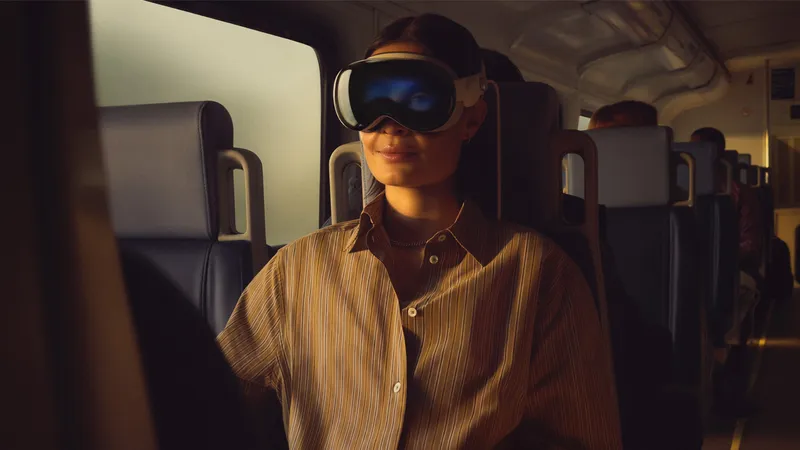
In many ways, Galaxy XR seems to be Samsung's response to Apple Vision Pro, aiming to offer a somewhat similar experience focused on people in the Android ecosystem at around half the price. Two key differences, though, on the hardware side, are the rigid strap and the fact that it presses against your forehead, not the whole of your upper face.
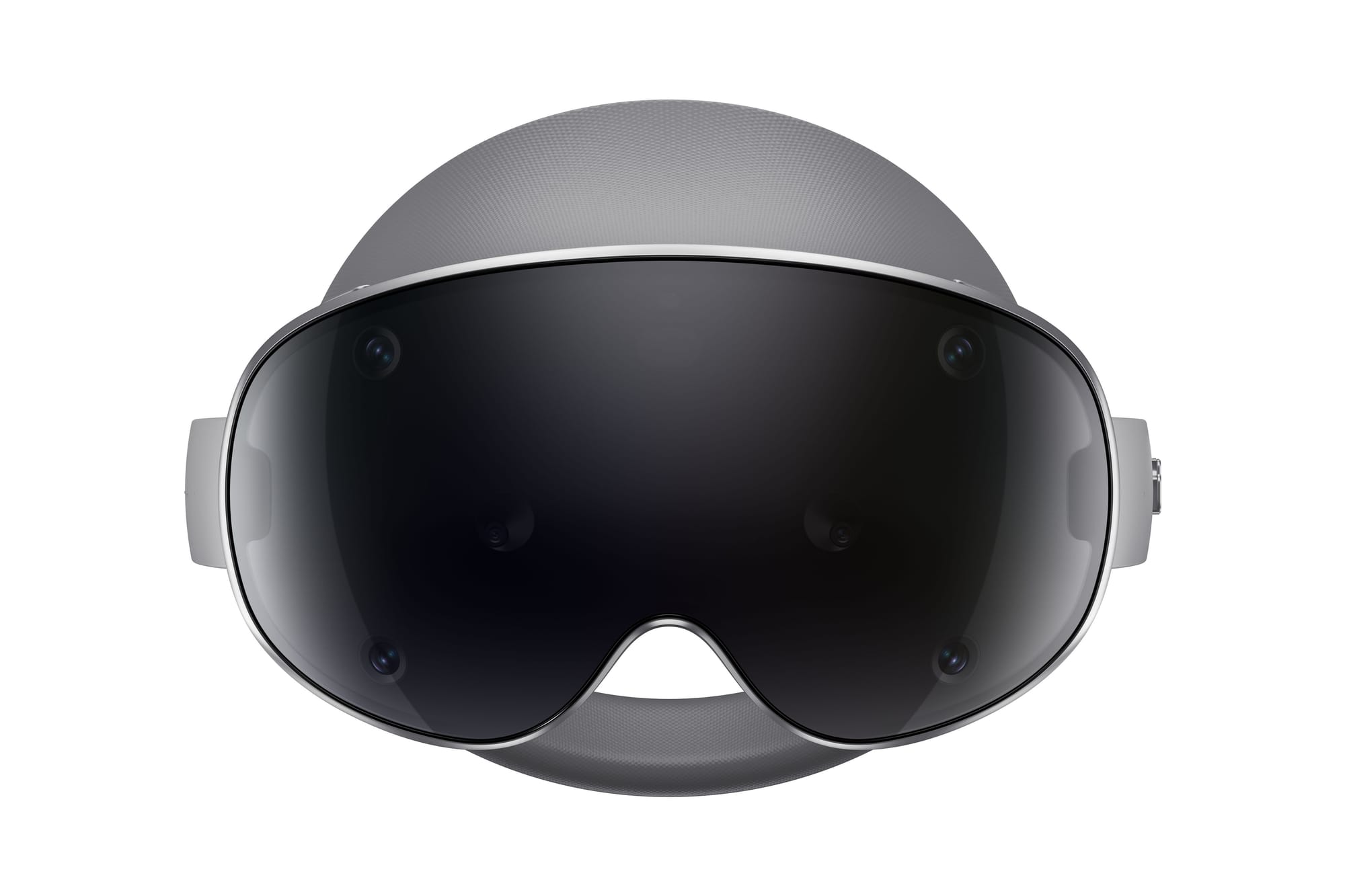
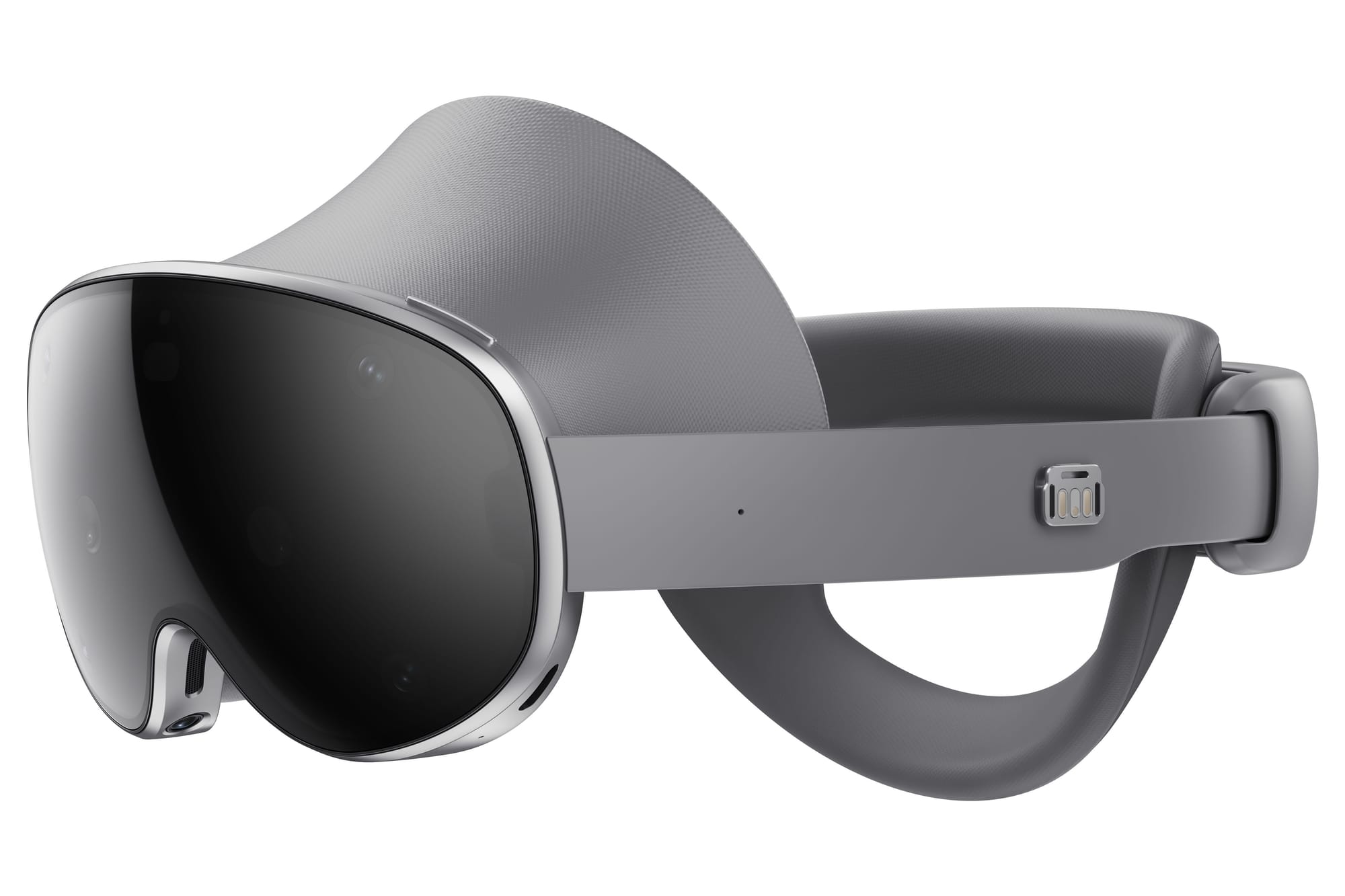
Samsung Galaxy XR ($1800)
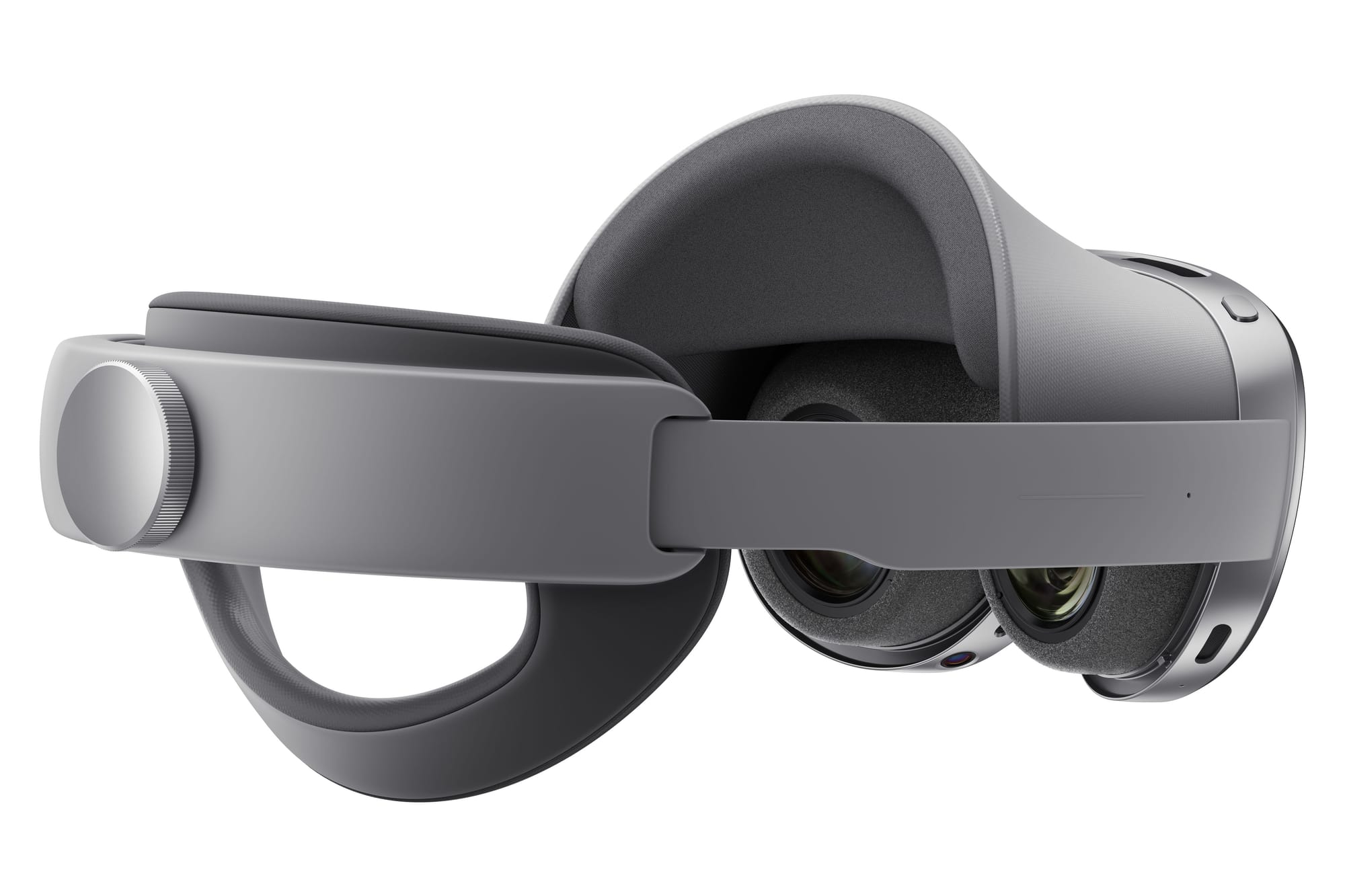
Galaxy XR has a rigid plastic strap with a single mechanism of tightness adjustment, the dial at the rear, and a "halo" forehead pad with nothing touching your cheeks or temples by default – an open periphery design that lets you see the real world to your sides and below you.
For when you want full immersion instead, there are light blockers included in the box that attach magnetically to each side of the headset.
It's ergonomically very similar to Meta's discontinued Quest Pro, except the battery is in an external tethered box, not the rear of the strap (Galaxy XR has no internal battery, and does not support hot swapping). Galaxy XR is also almost 200 grams lighter than Quest Pro was, weighing in at 545 grams, including the rear strap.
Compared to Apple Vision Pro, Galaxy XR's design prevents you from leaning back on a sofa, bed, or chair, but Samsung tells us it prioritized balanced weight distribution and making the headset comfortable for hours of use.
| Samsung Galaxy XR |
Apple Vision Pro |
Meta Quest 3 |
|
| Displays | 3552×3840 micro-OLED |
3660×3200 micro-OLED |
2064×2208 LCD |
| Refresh Rates |
72Hz Default (60-90Hz) |
90Hz Default (96-120Hz) |
90Hz Home 72 App Default (60-120Hz) |
| Platform | Android XR (Google) |
visionOS (Apple) |
Horizon OS (Meta) |
| Chipsets | Qualcomm Snapdragon XR2+ Gen 2 (4nm) |
Apple M5 (3nm) + R1 |
Qualcomm Snapdragon XR2 Gen 2 (4nm) |
| RAM | 16GB | 16GB | 8GB |
| Strap | Rigid Plastic (Fixed) |
Soft (Modular) |
Soft (Modular) |
| Face Pad | Forehead (Open Default) |
Upper Face (Enclosed) |
Upper Face (Enclosed) |
| IPD | Automatic (Motorized) |
Automatic (Motorized) |
Manual (Dial) |
| Passthrough Cameras |
6.5MP | 6.5MP | 4MP |
| Battery | Tethered External (2+ hrs) |
Tethered External (2.5+ hrs) |
Internal (2+ hrs) |
| Hand Tracking |
✅ | ✅ | ✅ |
| Eye Tracking |
✅ | ✅ | ❌ |
| Face Tracking |
✅ | ✅ (Persona-only) |
❌ |
| Torso & Arm Tracking |
❌ | ❌ | ✅ |
| Active Depth Sensor |
dToF | LiDAR | ❌ |
| IR Illuminators |
✅ | ✅ | ❌ |
| Wi-Fi | 7 (incl 6GHz) |
6 (no 6GHz) |
6E (incl 6GHz) |
| Store | Google Play | App Store | Horizon Store |
| Browser | Google Chrome |
Safari | Horizon Browser |
| Unlock | Iris | Iris | PIN |
| USB-C Port | ✅ | +$300 | ✅ |
| Price & Storage |
$1800 (256GB) |
$3500 (256GB) $3700 (512GB) $3900 (1TB) |
$500 (512GB) |
| Controllers | +$250 | +$250 | ✅ |
On the software level, Galaxy XR runs Google's new Android XR operating system platform, with a Samsung One UI XR skin on top.
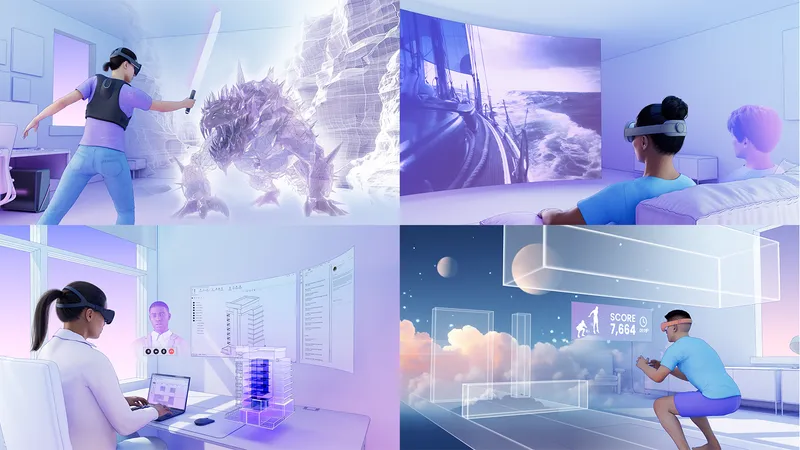
A huge swathe of 2D Android apps are available from the Google Play Store, including Netflix, and your purchases from your Android phone or tablet carry over. There are also dedicated Android XR apps for key Google services, as well as select third-party immersive apps and games.
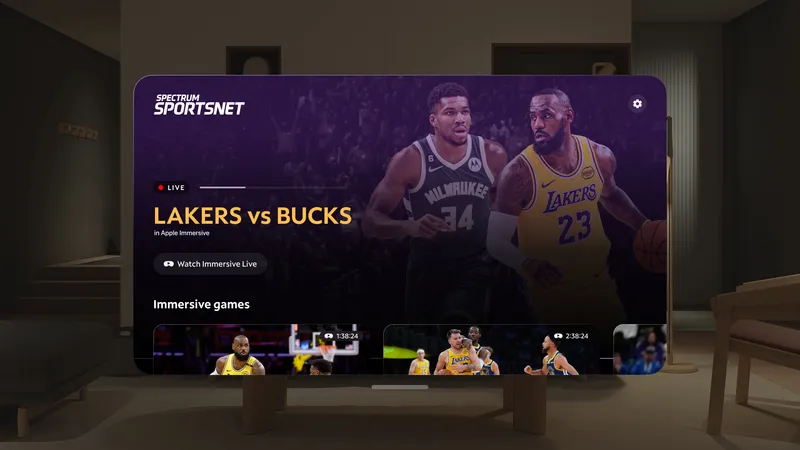
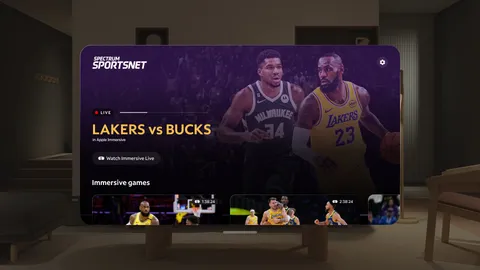
For example, you'll find Google Chrome with all your bookmarks and passwords plus support for WebXR, Google Maps with an immersive mode very similar to PC VR's Google Earth VR, Google Photos with your entire library plus the ability to AI-convert any image or video (a unique capability) to 3D, and YouTube with immersive video and a multi-view mode for sports. For Google Meet, there's even a Persona-like feature called "Likeness", though it's only a virtual webcam view for now.
Third-party apps include Adobe's Project Pulsar, a 3D video editing tool.
Google Maps immersive mode on Android XR
Google Photos with AI 3D synthesis on Android XR
Embedded at the core of Android XR is Google's Gemini AI. You can easily initiate a Gemini Live session at any time and let the AI see what you're seeing, including both passthrough and virtual content, for a continuous conversation with no need to constantly repeat a wake word.
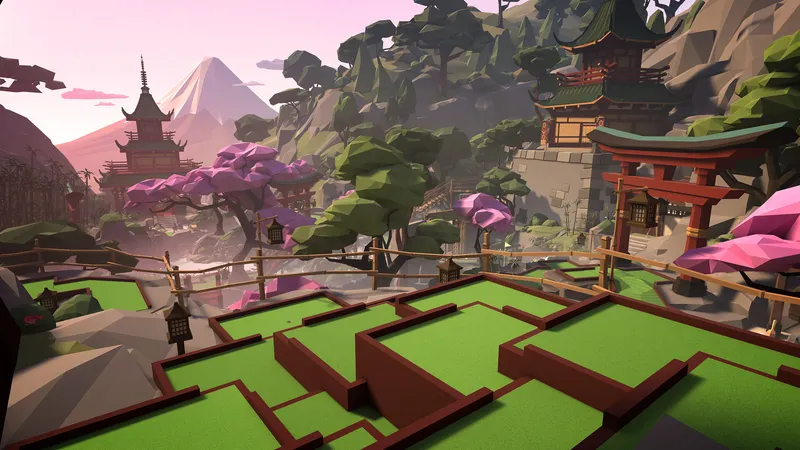
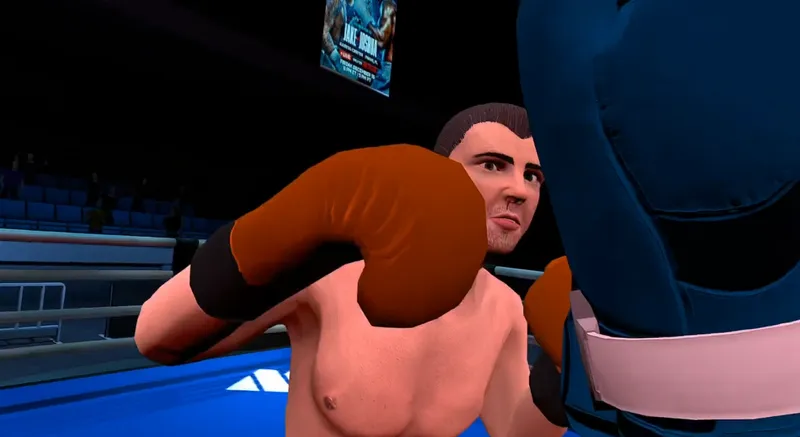
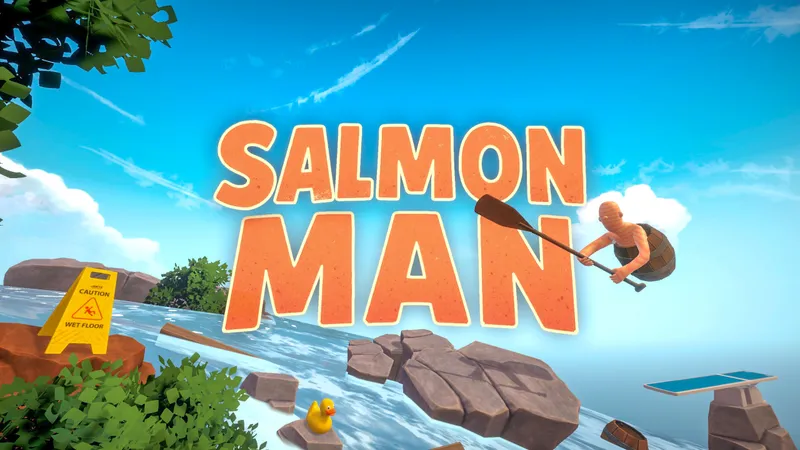
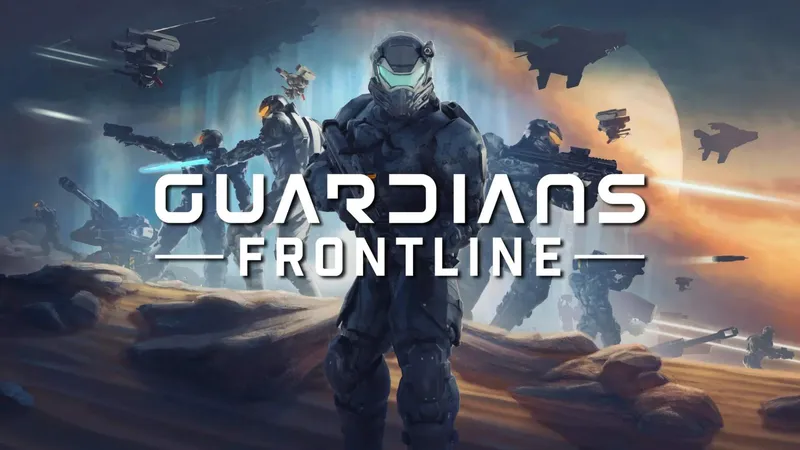
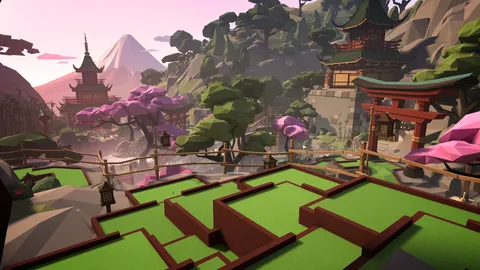
Further, developers of some of the top VR games on Meta Quest have ported their titles to Android XR for the launch, including Walkabout Mini Golf, Synth Riders, Arizona Sunshine Remake & Arizona Sunshine 2, Cubism, Demeo, FitXR, Green Hell VR, Job Simulator, NFL Pro Era, Real VR Fishing, Thrasher, and more. You can find the full list here.
I say "ported", but Meta's Horizon OS is also Android-based, and both platforms support the OpenXR standard, so pretty much anything that runs on Quest can fairly easily run on Galaxy XR too, and Unity has full support for Android XR's APIs.
Some of these games require the Galaxy XR Controllers, which are not included with the headset. They're sold separately, priced at $250 regularly, the same price as the PS VR2 Sense controllers for Apple Vision Pro.
Oh, and if you're wondering about PC VR: Guy Godin's Virtual Desktop is available for $25, with its "Monster" graphics quality mode that was previously Play For Dream MR exclusive. Virtual Desktop will also forward eye tracking and face tracking to OpenXR on your PC.
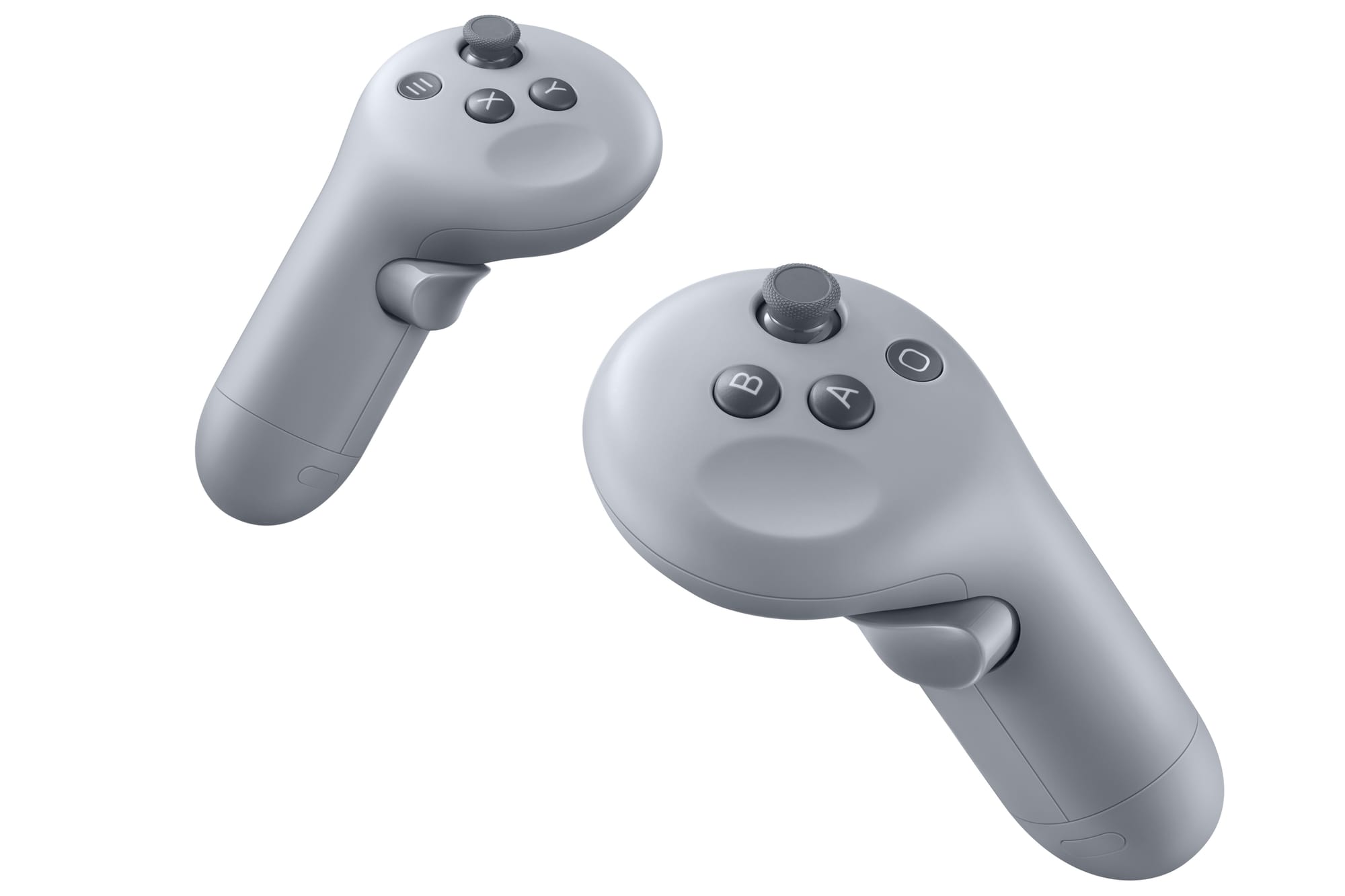
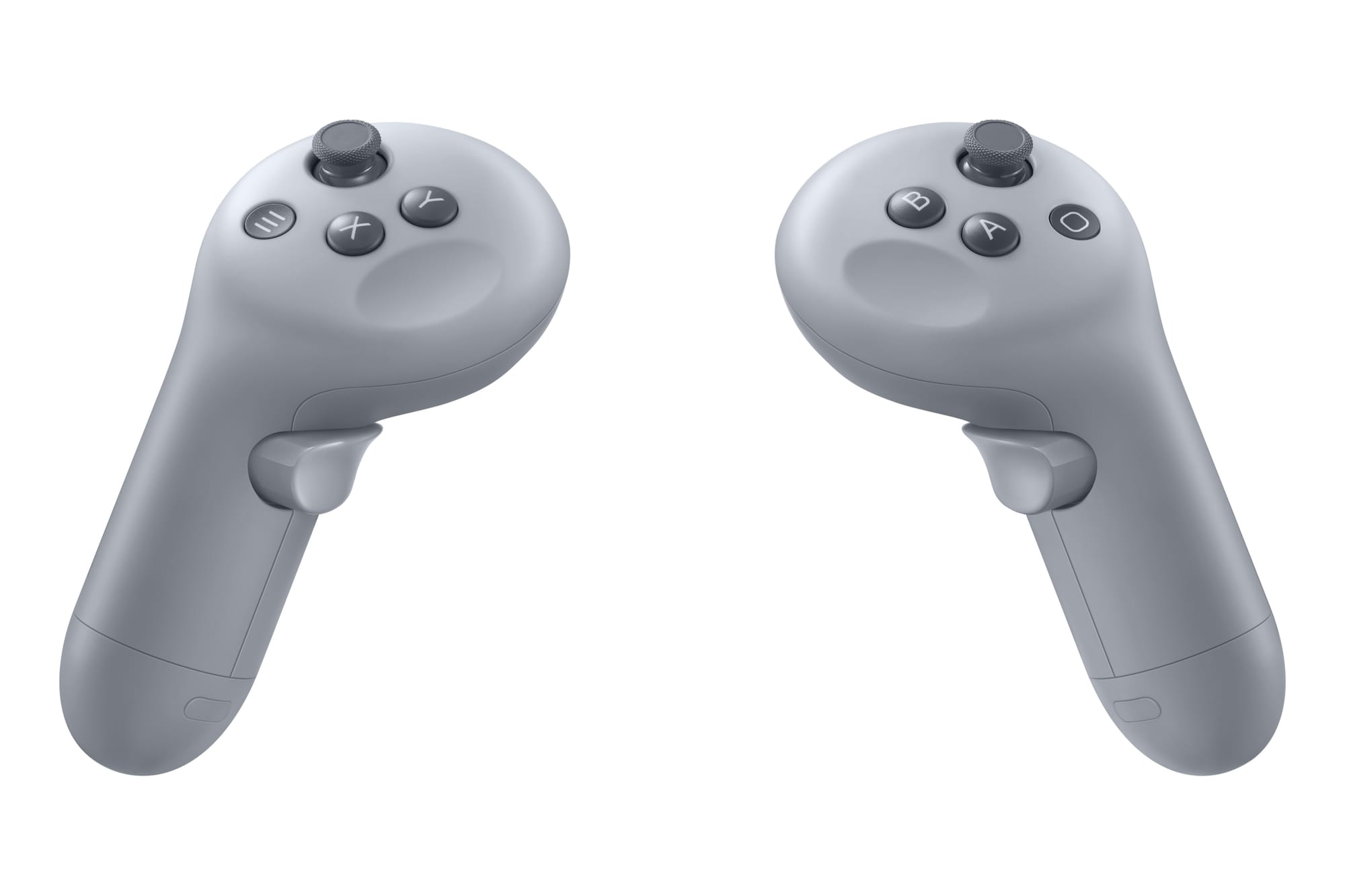
Galaxy XR Controllers ($250)
Samsung Galaxy XR is available to order right now online in the US and South Korea, priced at $1800, and it'll be in Samsung Experience Stores when they open. Samsung is also offering finance options, including $149/month for 12 months.
The Galaxy XR Controllers are $250 extra, and there's an official Galaxy XR Travel Case for $250 too. If you buy these accessories with the headset before November 17 Samsung will give you a 30% discount, bringing them down to $175.
There are no announced plans for Galaxy XR to come to any other countries, though that doesn't mean it won't happen at some point in the future.
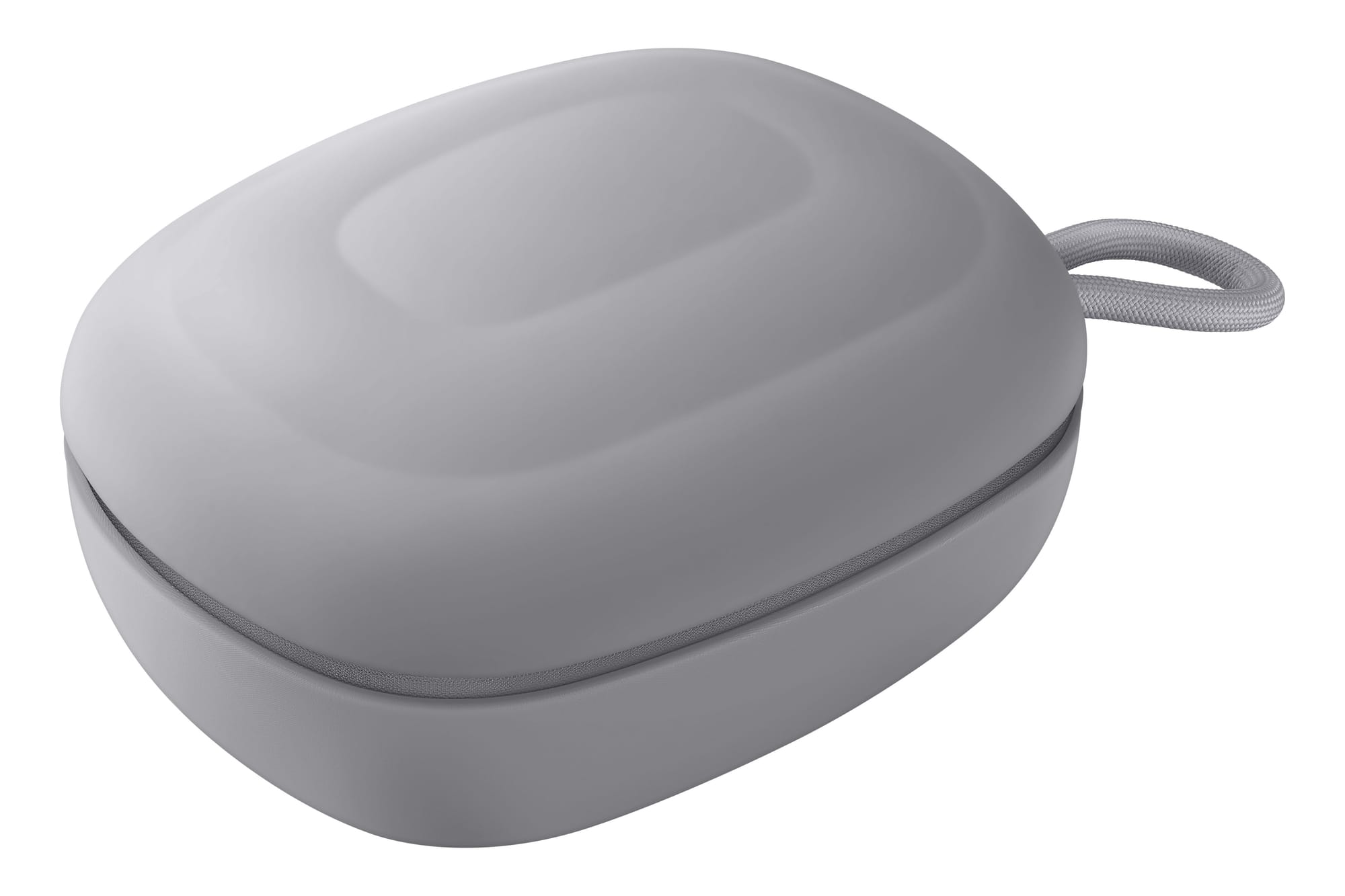
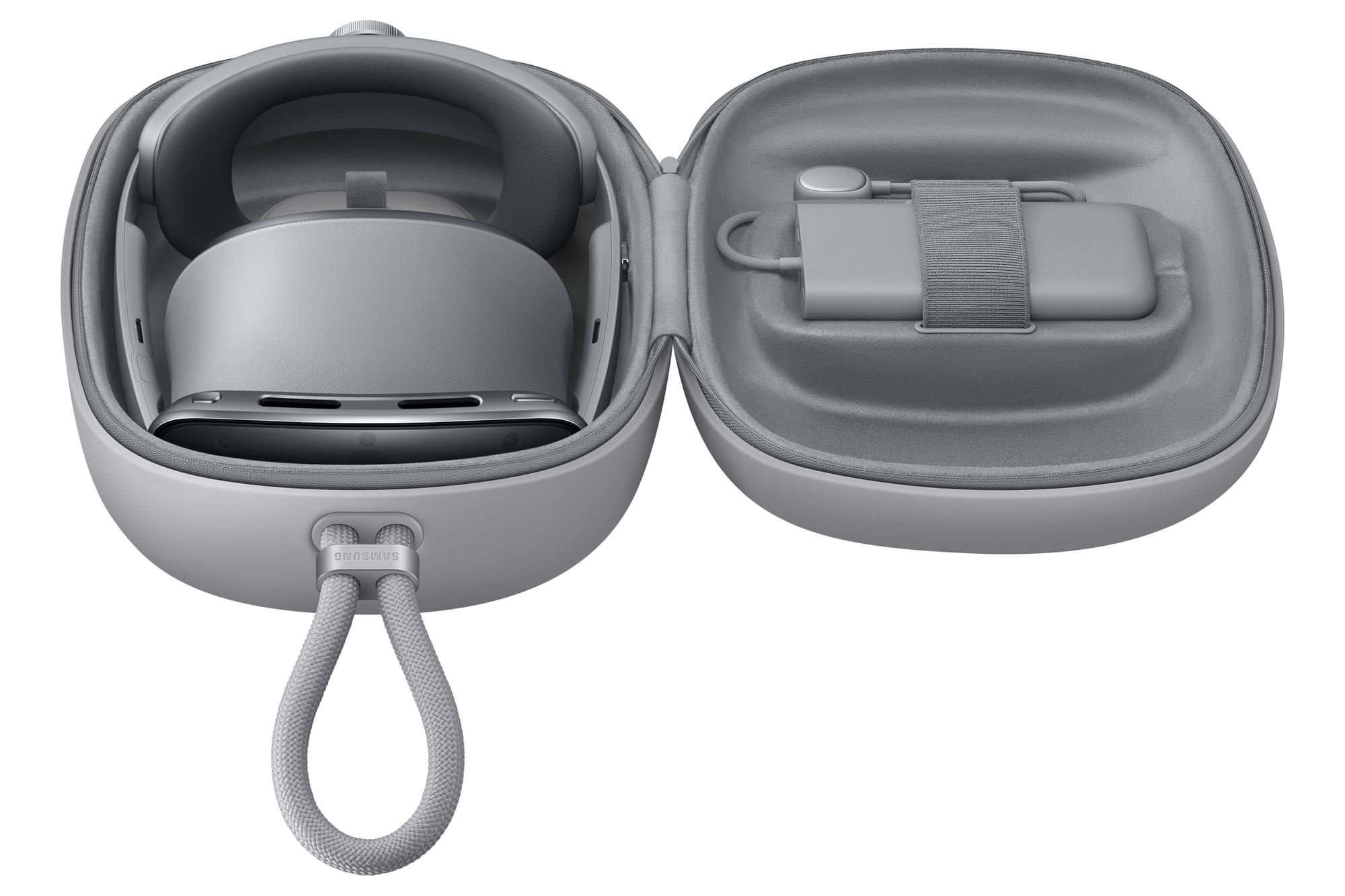
Galaxy XR Travel Case ($250), storing the headset and its tethered battery.
If you buy Galaxy XR before the end of this year, you get a package of digital content called "The Explorer Pack". This includes 12 months of Google AI Pro, YouTube Premium, Google Play Pass, and NBA League Pass, 3 months of YouTube TV for $1/month, Project Pulsar from Adobe, Asteroid, and Calm. Samsung and Google say The Explorer Pack is worth over $1000.
We briefly went hands-on with Samsung Galaxy XR at the launch event recently, and we'll bring you our impressions of the headset soon.
UPDATE 1: After 2 hours, Samsung Galaxy XR's optional tracked controllers are sold out already, meaning new buyers will have to wait to get them.
 David Heaney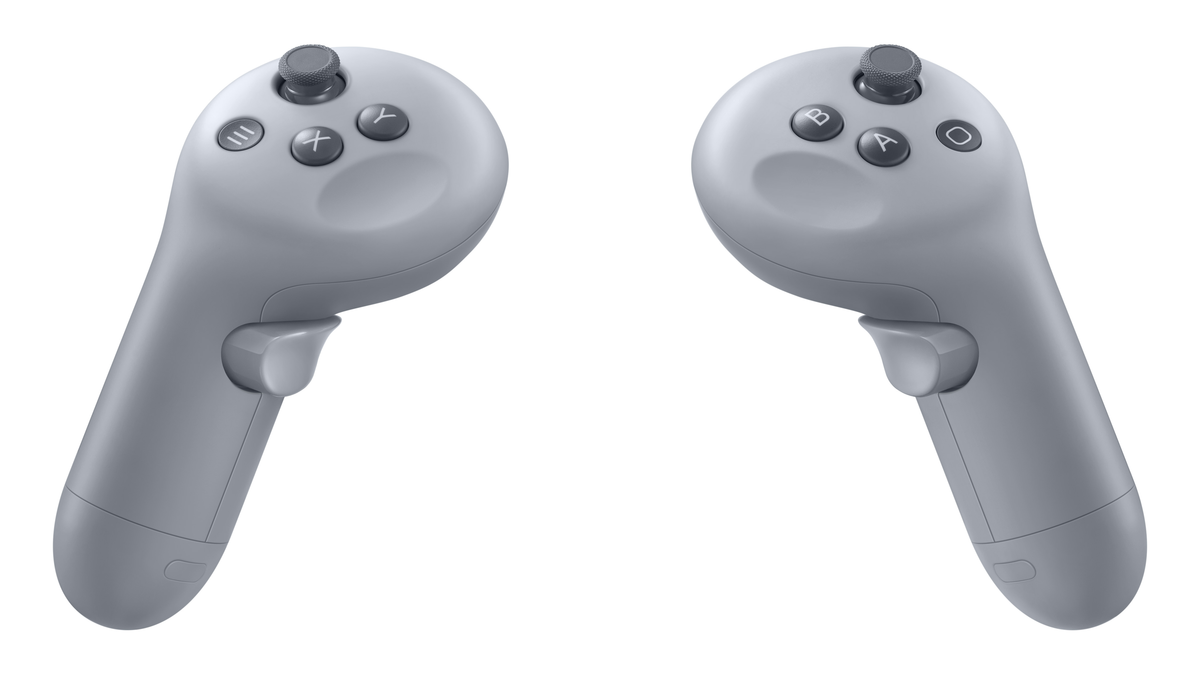
UPDATE 2: You can now read our hands-on first impressions of Samsung Galaxy XR.
 David Heaney