
Meta says in-app purchases have now surpassed paid app sales as the largest source of revenue on Quest's Meta Horizon store.
This statistic is for overall revenue from January 2026 to September 2026. For clarity, Meta generally refers to any games that are not free-to-play as premium titles. To anyone that has been paying attention to trends on the platform, this should not come as much of a surprise. The tea leaves were there when Gorilla Tag overtook Beat Saber, at the time considered to be the most successful VR game ever, in number of user ratings. That happened way back in 2022. Now it sits as one of a handful of apps with over one hundred thousand ratings on the platform and has been surpassed in that metric by fellow F2P apps Animal Company and UG.
This continued trend towards more social-forward, microtransaction-laden titles also offers some speculative insight as to why Meta made the decision to divest itself of most of its in-house premium game studios in recent years. Ready At Dawn, Armature Studio, Twisted Pixel, and Sanzaru Games were all shut down. Within was allowed to split off as an independent studio and relaunch its exercise app Supernatural. Meta has been one of the largest investors into so-called premium VR games for years, including first-party releases like Deadpool VR, Asgard's Wrath 2, Armature's VR port of Resident Evil 4 and Batman: Arkham Shadow. Of those titles, only Resident Evil 4 appears in the top seller list at the time of this article, sitting at number 44.
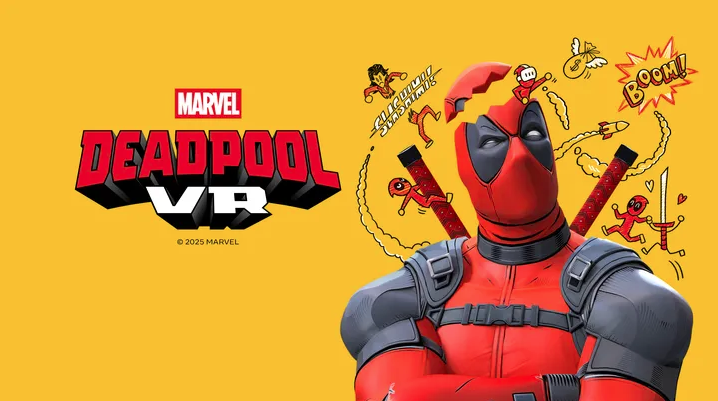
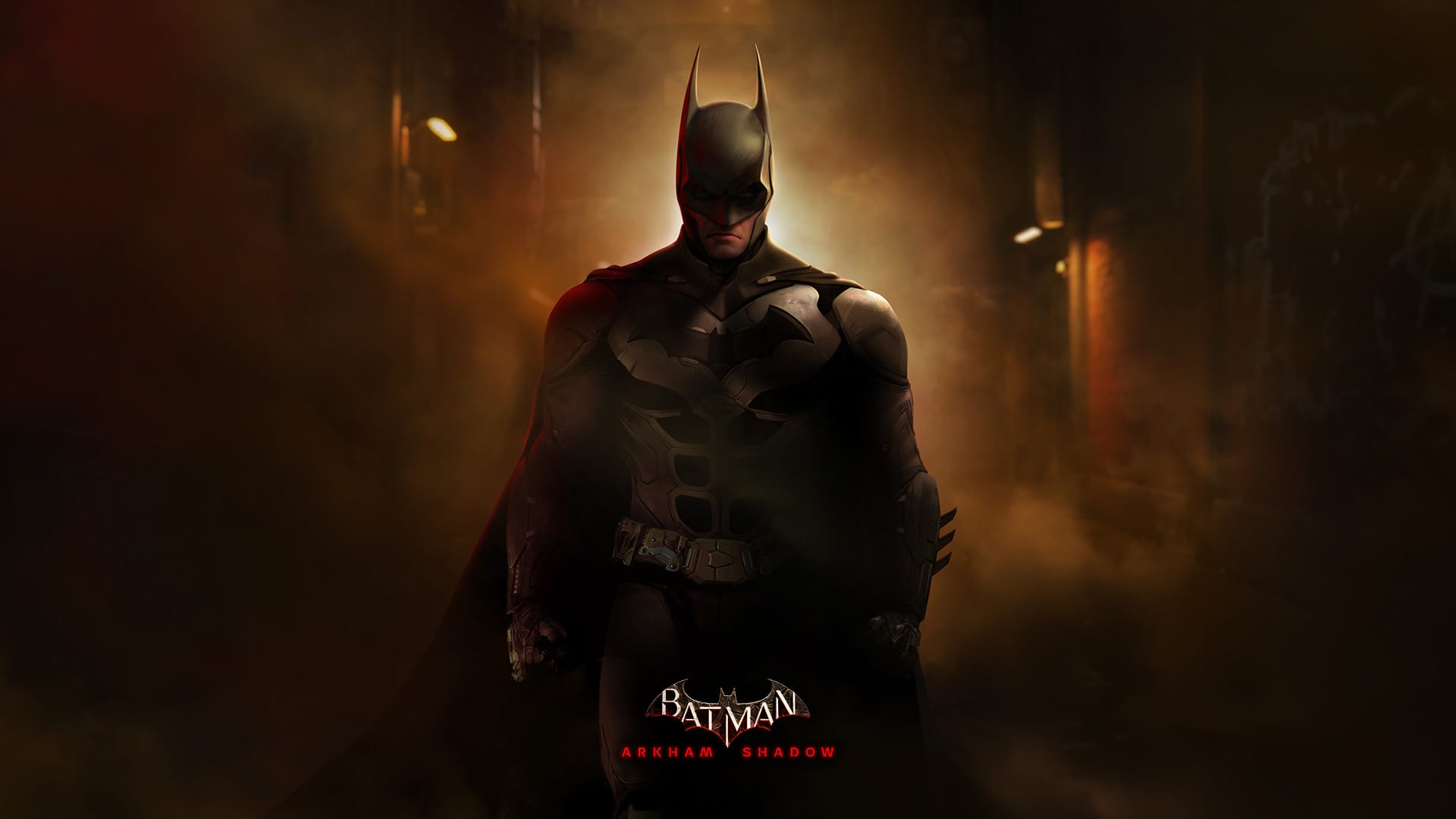
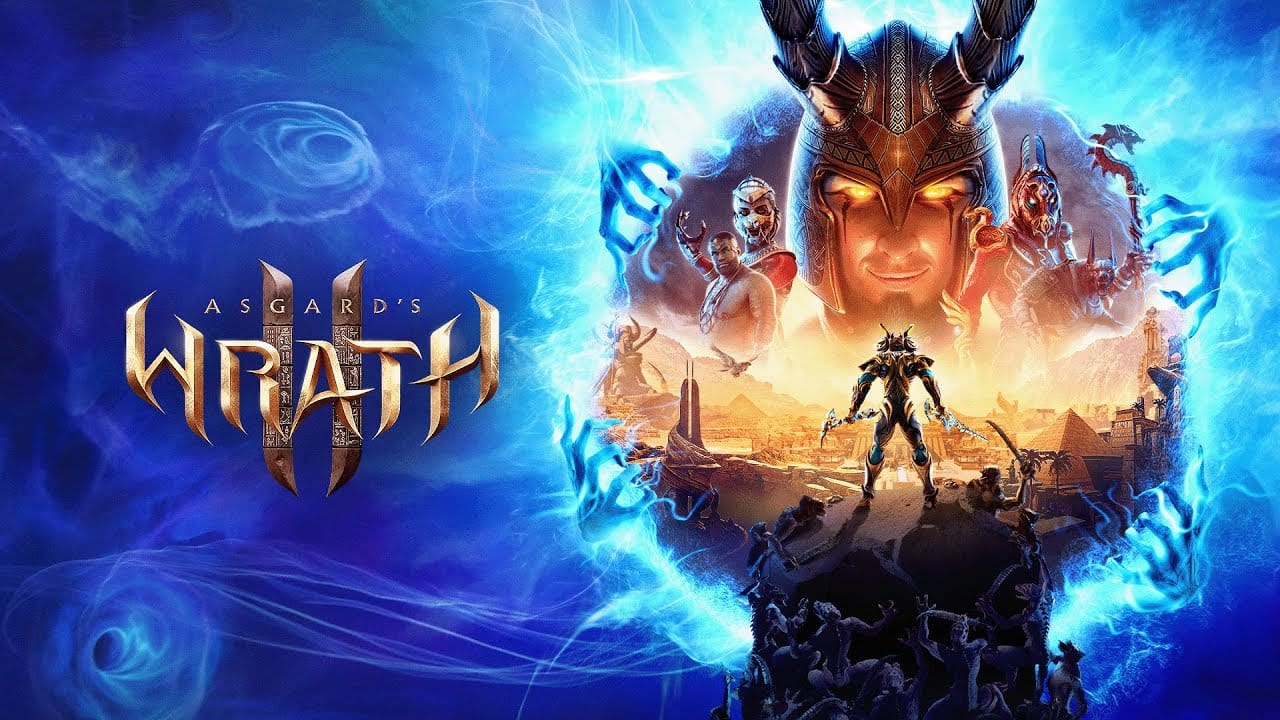
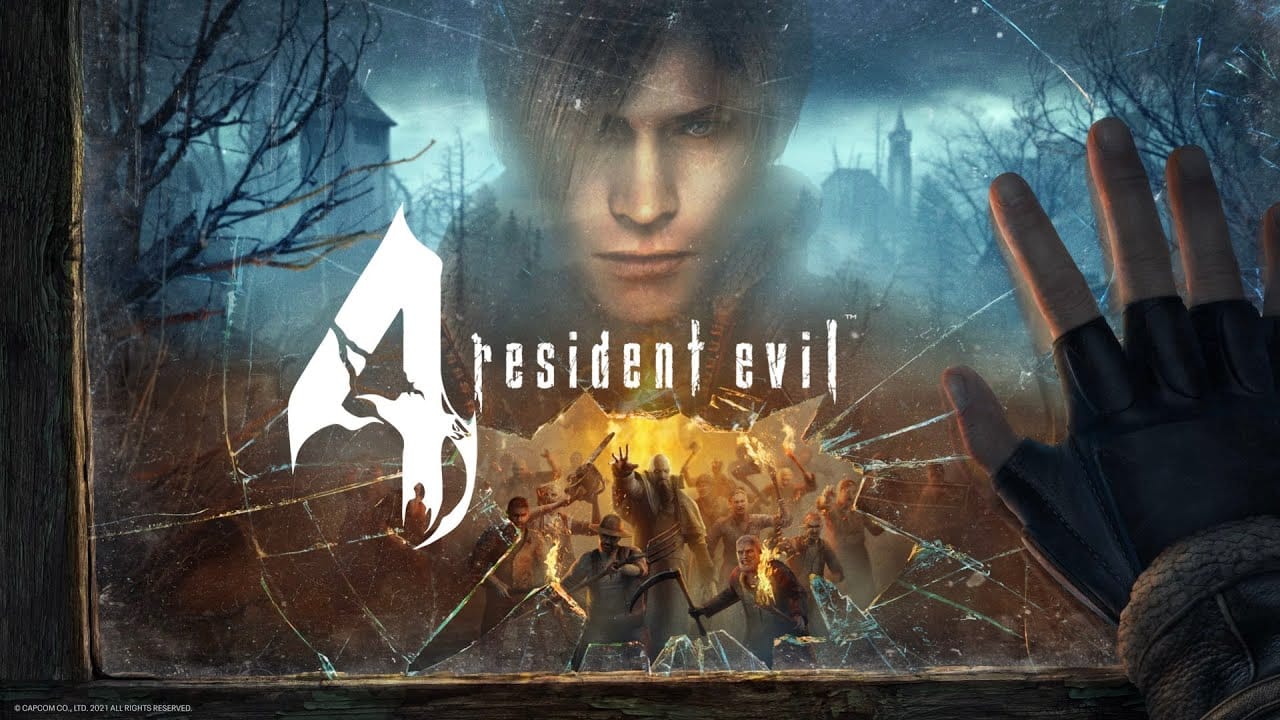
Meta has shipped multiple, high budget first-party titles for Quest, none of which are perennial top sellers.
 David Heaney
Meanwhile, according to Alinea Analytics, Sony's first-party title God of War: Ragnarok is its highest-grossing title of this generation, surpassing Spider-Man 2 and Gran Turismo 7. All three were developed by Sony-owned studios. Nintendo's remake of The Legend of Zelda: Ocarina of Time is the fastest selling title for Switch 2 with 5.2M units sold in its first four days. The Switch 2's best selling games are all exclusives either developed or published by Nintendo itself: Mario Kart World, Pokémon Pokopia, Donkey Kong Bananza, and Pokémon Legends: Z-A. These platform owners have seen the return on premium first-party investments with top selling titles. Meta, comparatively, has not. Its best performing first-party title is Beat Saber, which was already a popular VR title when Meta acquired developer Beat Games.
What Does This Mean For Developers?
While this report may paint a bleak picture for developers still committed to shipping premium VR titles on Quest, Meta says it has over $120M committed to third-party games in active development. Half a dozen new titles were announced at this year's Meta Connect, all of which are built for the Meta VR Glasses due to release in spring 2027 with Quest 3 support. The Quest platform still has the highest hardware install base of any VR platform, though it will be interesting to see what happens when the Quest 2, the best selling VR headset by volume ever, goes end of life at the end of 2027.
It also remains the largest funder of games in the ecosystem, a title that is slightly less impressive as third-party developers have been fairly open about the overall lack of funding for new projects of late. Point of fact, it has been cited by multiple studio heads as a root cause when announcing layoffs and studio closures.
 Mike Johnson
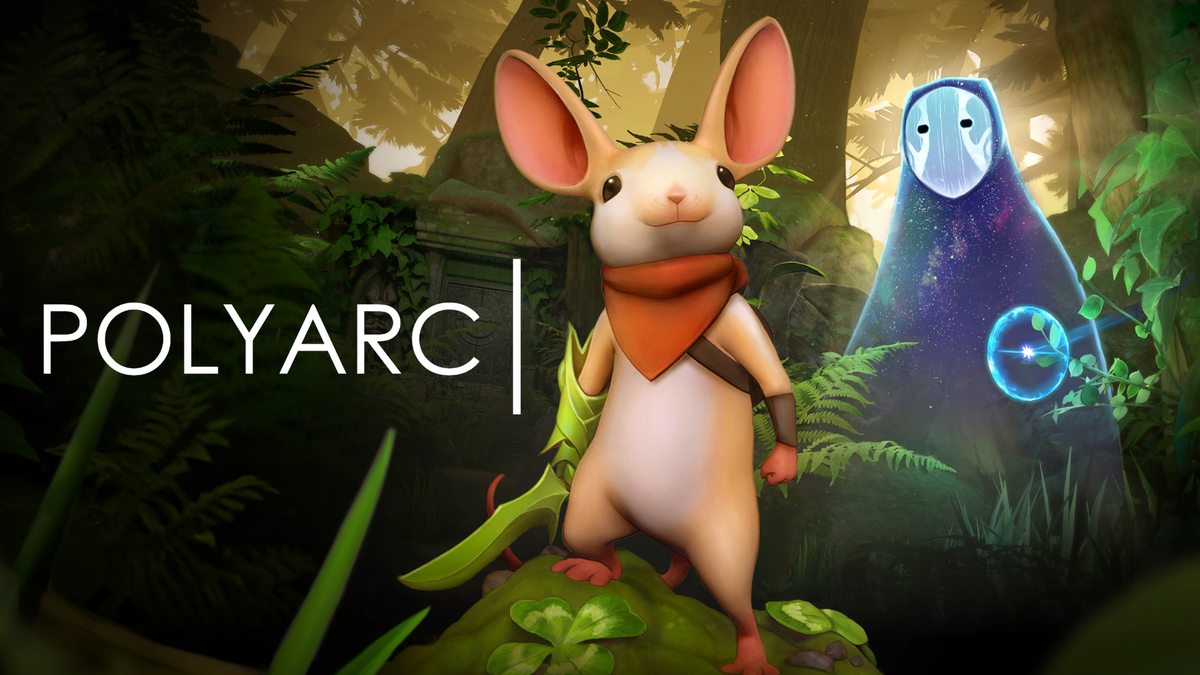
We've seen developers take a number of different approaches to the changing preferences of Quest users. Some teams known for premium titles including Sinn Studio, Owlchemy Labs, Fun Train, Character Bank, Schell Games, nDreams and Meta itself have dipped their toes into free-to-play development with varying degrees of success.
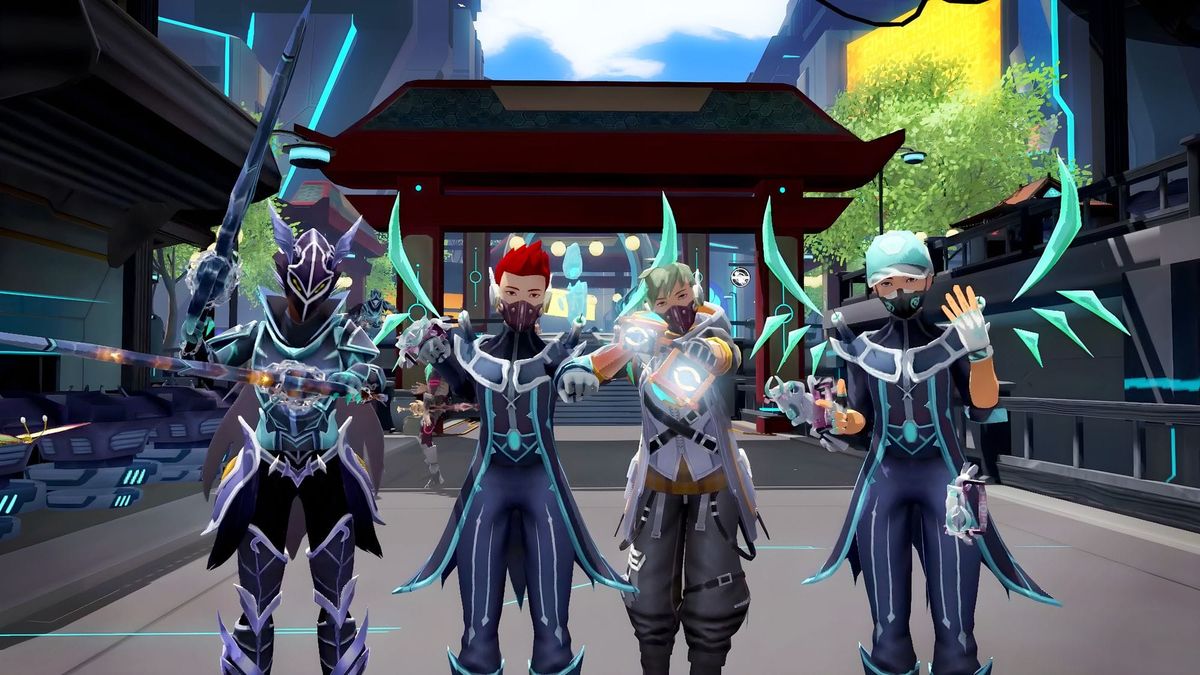
Others like The Binary Mill and Innerspace Studio have seemingly doubled down on their commitment to premium titles, with the former having shelved its previously announced free-to-play social project Survive The Night. Multiple developers have converted previously paid apps into free-to-play models for Quest, including AEXLab's Vail, Triangle Factory's Hyper Dash, Ramen VR's Zenith: Nexus, and Meta's own Population One, again with varying degrees of success.
 Mike Johnson
The Horizon+ subscription has been another potential outlet, a particularly enticing option for paid games with paid add-ons and in-app purchases like Walkabout Mini Golf and GOLF+. Payday: Aces High launched on Horizon+ at release and not coincidentally, it also launched with in-game cosmetics and bundles available for purchase.
The truth is there is no clear, singular route to success in VR, on the Quest platform or elsewhere. Every method I've listed has clear examples of failures alongside the successful titles detailed in the blog. Going into 2027, expect to see developers still trying multiple avenues to reach new players and keep their companies afloat.
You can read the full blog here.