

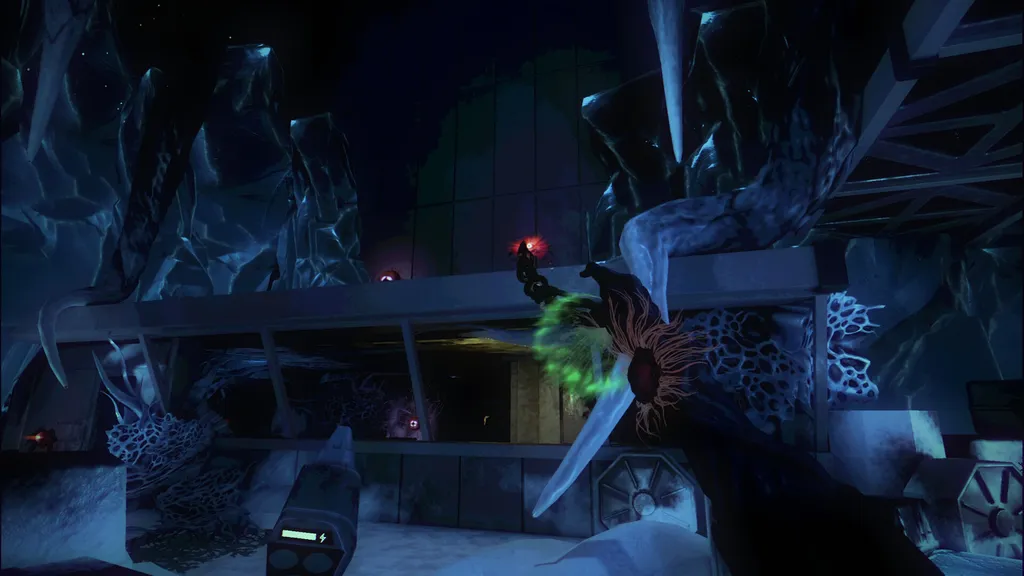
Star Trek: Infection is out today on Quest 3, and we went hands-on with the VR survival horror game ahead of its release.
You are a Vulcan Starfleet officer on a covert mission aboard the Federation starship U.S.S. Lumen. Once aboard, you find that the crew is missing or killed, and a deadly entity has infested the ship. Before long, you are infected, and as the entity mutates your body and warps your mind, you gain dangerous new abilities but lose your grip on reality.
That's the narrative backdrop of Star Trek: Infection by Played With Fire (Mixture), a VR development studio based out of Poland that recently sent a number of its team all the way to Boston, Massachusetts to demo Star Trek: Infection at PAX East, one of the largest yearly game conventions in the USA.
I was there too, and I played twenty minutes of Star Trek: Infection while thousands of con attendees swarmed somewhere outside the scope of my Meta Quest 3. I was distracted, overwhelmed, and unnerved, and that was before I ever fired up the game. Once I'd beamed aboard the U.S.S. Lumen, things spiraled even further out of control.
I was launched into a segment of the game that the devs described as "slightly further along" than the typical demo, and my play session instantly took a sinister turn.
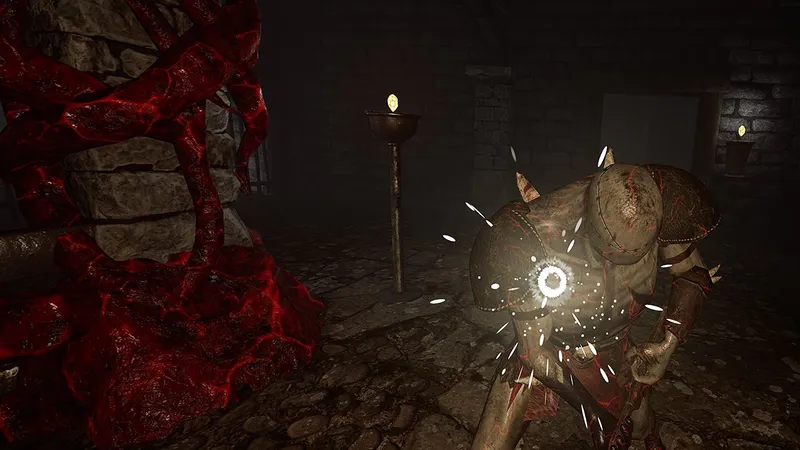
A mutated corpse sat slumped in the captain's chair, while monstrous zombie-like crew members lurched in the shadows. My goal was to make it to a computer terminal to activate something-or-other (the con was very loud and I was dropped into a mission without much preamble). But while I didn't really have much context for what I was doing or why, the vertical slice of the game they let me demo was still an effective and engrossing experience.
You have a bevy of tools at your disposal: the communicator lights a path for your next objective, a head-mounted flashlight shines at the flick of a switch, the iconic Tricorder allows for scanning the environment, unlocking doors, and managing basically everything, and the equally iconic Phaser (gun) sits on your hip, ready to Stun or Kill when needed.
What impressed me about these tools is that each works beautifully and intuitively. Actuating any of these items or pulling them from your holsters is effortless and fast. Furthermore, much thought has clearly gone into their implementation. For example, the Phaser is not all-powerful. While it can stun enemies, this is not super effective, being more like a knockback and having a cooldown timer after every use. The Phaser can be switched to Kill, but this mode is charged by consoles throughout the ship, and often these consoles can only charge one shot into the Phaser at a time. This keeps the player teetering on the brink of powerlessness.
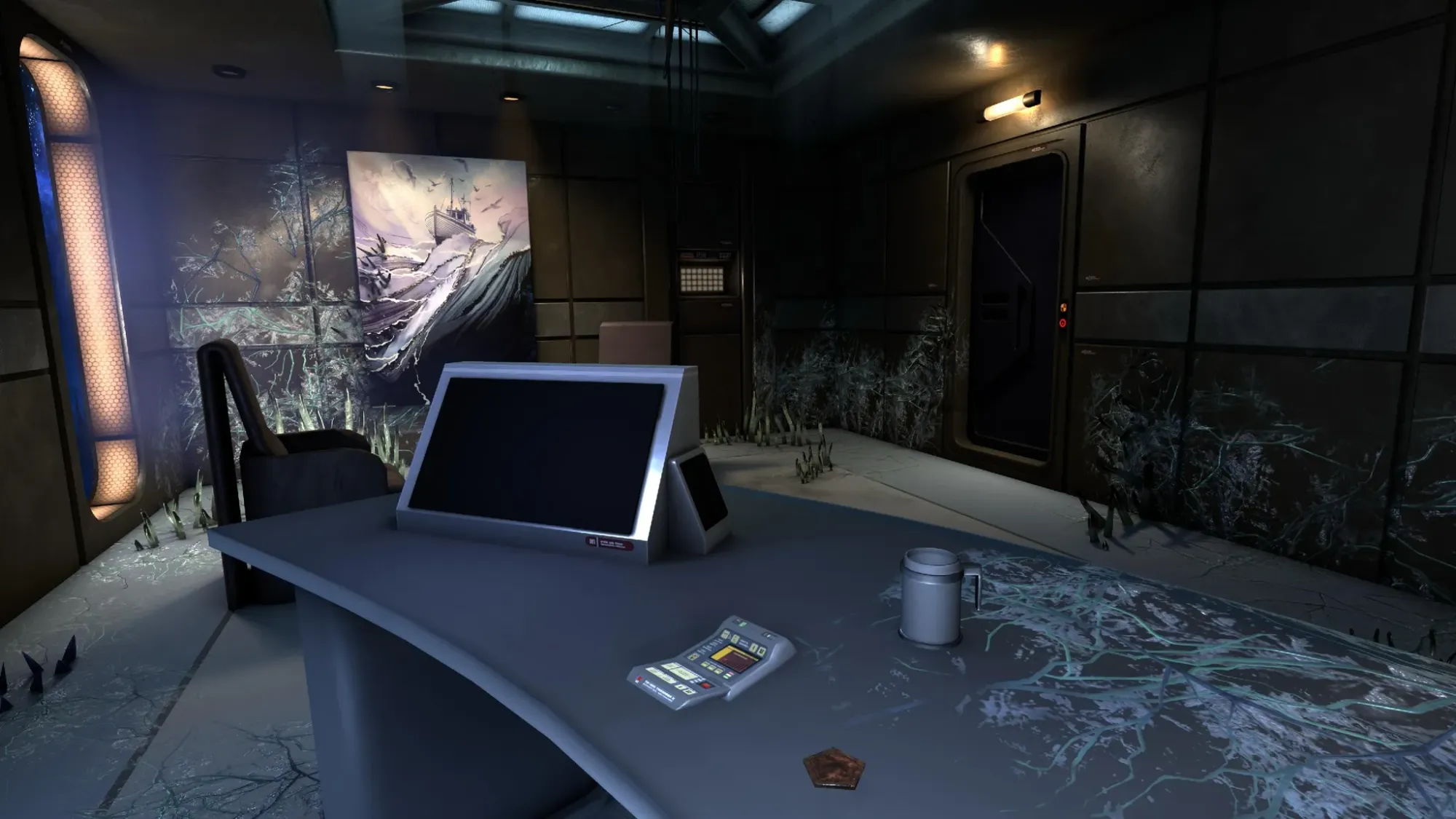


As I explored the ship's decrepit hallways and ominously vacant crew quarters, my Tricorder scanned the environment for danger and, to my delight, collectables. These I gathered to learn the lore of the game and to bolster the story through environmental narrative.
I stealthily made my way through the ship, crawling along hallways swarming with enemies, staying quiet and low to avoid them. I tossed objects to distract them, and held my breath (in real life) as I crept by out of sight.
Meanwhile, the devs explained the game's greater systems as best they could through the fog of my fear. The takeaway is that there's a lot going on in Star Trek: Infection.
The major feature of the game is the way the player character changes over the course of the 5-8 hour campaign. While you start off as a pretty standard member of Starfleet, the titular infection will quickly begin to change your body. Where you once used your hands as any Vulcan would, soon you're sprouting infected digits with terrifying abilities. You'll monitor your health condition with the Tricorder, choose to fight the infection or embrace it, and use your mutation to unlock powerful abilities.
You'll do the Vulcan nerve pinch, mind meld, and craft weapons and tools essential to survival. You'll interact with the ship's LCARS computer panels, and explore four distinct biomes aboard the U.S.S. Lumen. You can hide in cocoons, snap the necks of enemies, or fight your enemies head on (scary, don't recommend).
Some enemies are blind, some have physiological weak points that must be exploited, and some are best dispatched through crafted traps or environmental hazards. I learned pretty quickly to take these foes seriously.

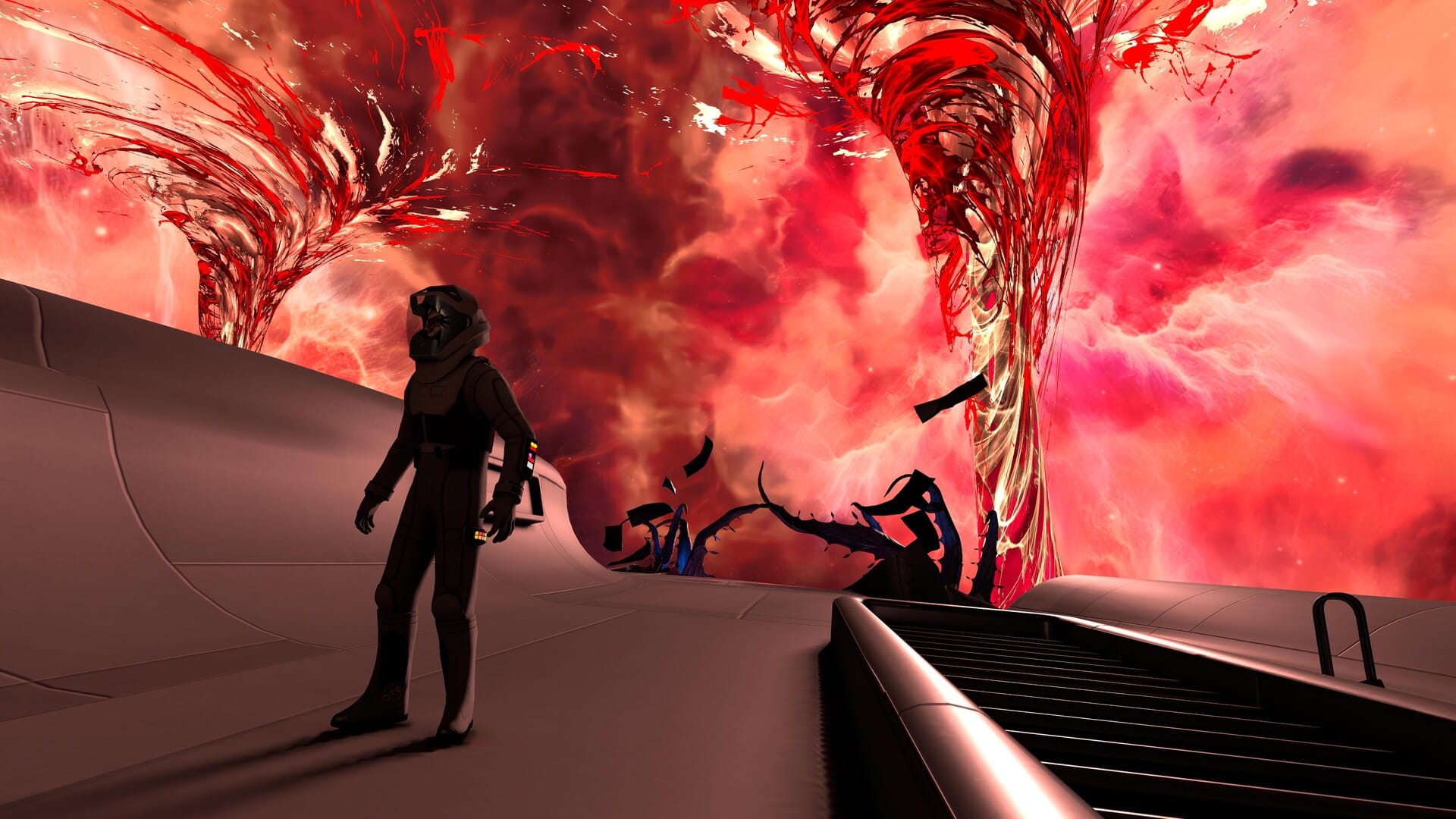
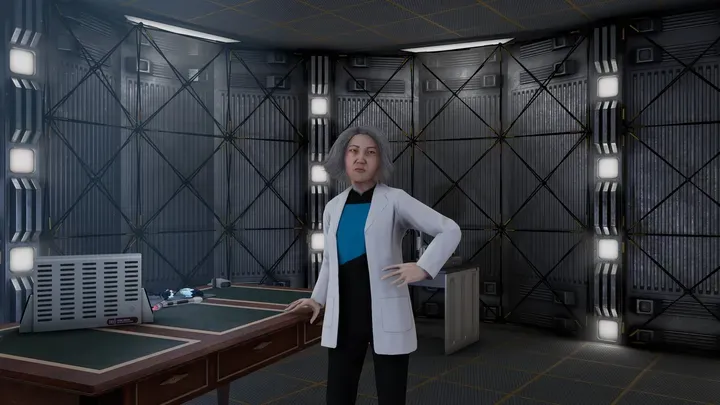
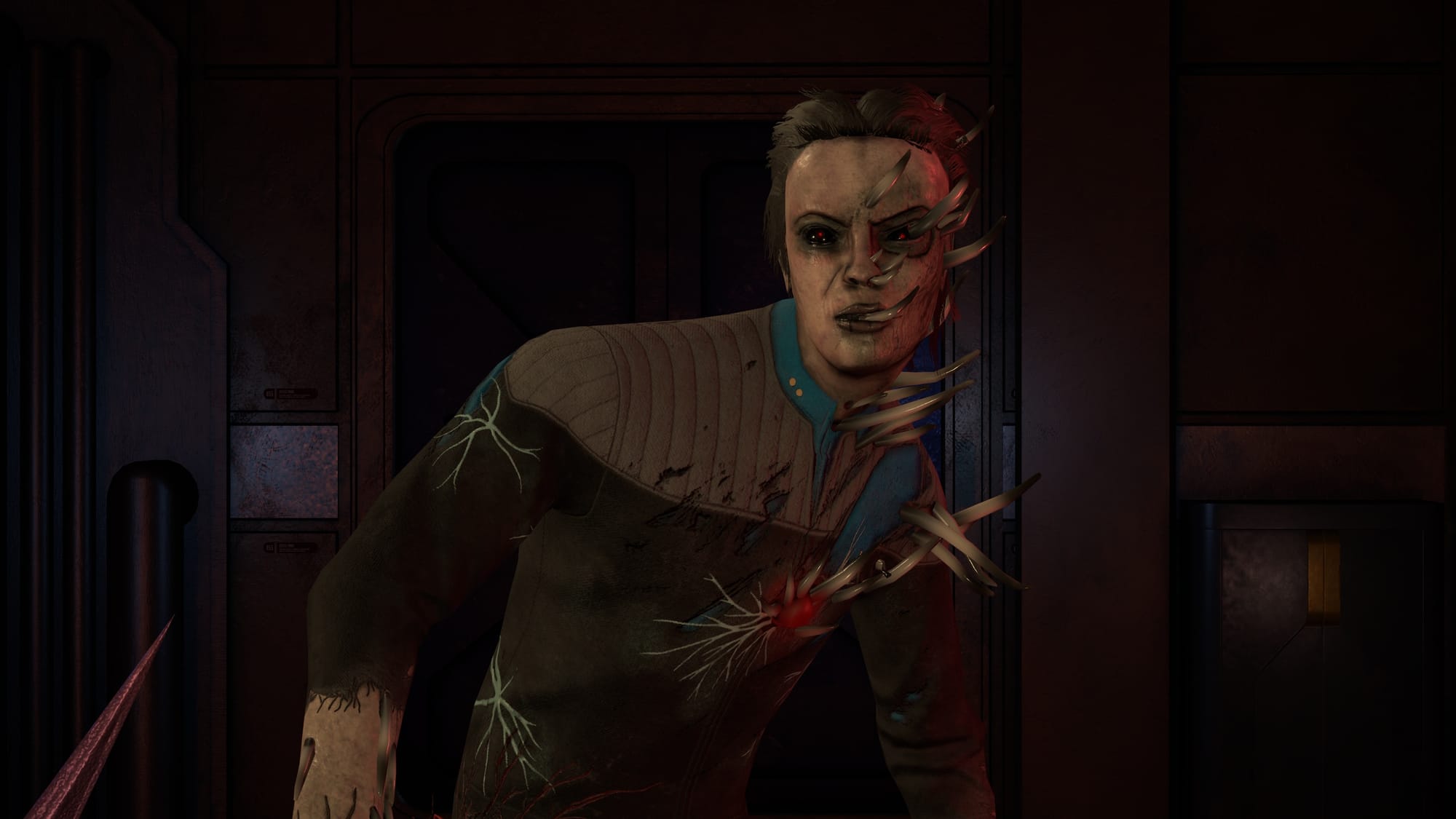
After distracting a few of the mutated crew with a tossed object and managing to traverse a maze-like room of horror, I got a little distracted myself, and failed to notice the monster crewman creeping up from behind. By the time I noticed, it was too late. I fired my Phaser on stun, which knocked him back, but the noise of it brought other monsters scampering. I ran, but within a few moments, I was dead.
The devs describe Star Trek: Infection as a story-driven horror survival game, but one that leans closer to the psychological than to jump scares and gore. That said, I was plenty nervous playing Infection. As far as horror games go, it looks gruesome, sounds terrifying, and feels utterly unsettling.
Star Trek: Infection VR is out now on Quest 3 and PC VR via SteamVR. We will have a full review in the coming days.