

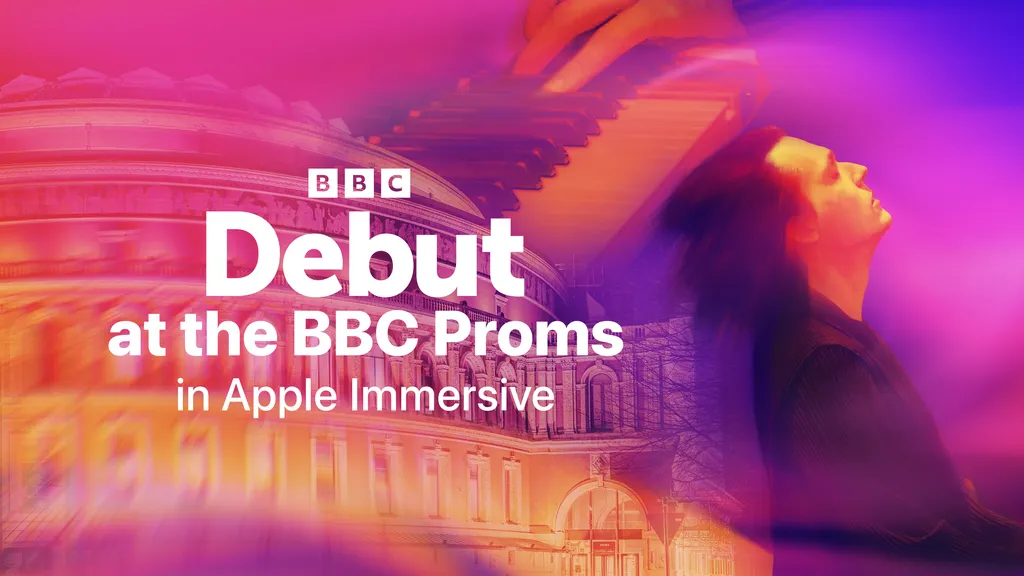
You can now attend Debut at the BBC Proms in Apple Immersive for free on the Apple Vision Pro.
The 35-minute performance takes you through multiple perspectives, from various points on stage with pianist Lukas Sternath and the BBC Symphony Orchestra, led by Sakari Oramo, to sitting among the audience inside the Royal Albert Hall in London.
What Is Apple Immersive Video?
The Apple Immersive Video format is 180° stereoscopic 3D video with 4K×4K per-eye resolution, 90FPS, high dynamic range (HDR), and spatial audio. It's typically served with higher bitrate than many other immersive video platforms.
We highly praised Apple Immersive Video in our Vision Pro review. It's not possible to cast or record Apple Immersive Video though, so you'll have to take our word for it unless you have access to a Vision Pro.
Close Premium Access
The opening moments place you backstage as a narrator introduces the experience and you hear some commentary from Sternath as he walks to his performance. He doesn’t speak directly to you or to anyone in the scene, but with his back to you as he’s walking it’s still clear that it is him and it complements the narrator in setting the scene. Despite some slightly speedy camera movement that carries you forward as you follow Sternath, I found this introduction enjoyable because of the story that was starting, and interesting access to be able to feel what it's like to enter a show from a performer's view.
But then, the story ended. I would have liked to spend more time ahead of the performance to understand the compelling stories behind it. The focus shifted to the experience for the rest of the immersive video. I would not expect a narration to interrupt a performance, but this is where elements like views that increase my connection to Sternath, Oramo, members of the BBC Symphony Orchestra or a shared experience with the audience could have worked harder.
Edits that Compete with the Performance
Debut at the BBC Proms places visitors in multiple views throughout the performance. The beautiful resolution of each shot helps create a sense of presence within the 180-degree view. You can see details in the sheet music through to the shine of Sternath’s shoes. At the end of the performance, you can even see the sparkle in his eyes which creates a deeper sense of connection to the moment.
The experience frequently shifts between positions on stage and in the concert hall - From multiple points at the front of the stage where you are up close with Sternath, Oramo and several symphony members who are within the frame, to behind the orchestra facing the audience, to several points at different levels as if you were a part of the crowd.
While the views themselves are interesting, the frequency and speed of the edits often end up competing with the performance. Just as you begin to take something in, you’re moved again. Returning briefly to the same positions doesn’t help either, as it takes a moment to reorient before being pulled away once more. Over time, it starts to feel less like a continuous presence within the space and more like being moved between camera placements. That becomes even more apparent when you can spot other cameras in certain shots, including a camera operator near the front of the stage, which helps explain some of the unnatural horizontal movement experienced moments earlier. I appreciated the different views but not the frequency of the changes.
Audio That Sounds Beautiful but Feels Disjointed
The Spatial Audio enhances the experience and it of course sounds beautiful throughout. But it also remains consistent no matter where you’re placed. Whether near the piano, behind the orchestra, or further back with the audience, my ear didn’t pick up a meaningful change in how it behaved.
That consistency keeps things stable, but it also makes the experience feel disjointed. The visuals shift frequently, but the audio does not follow those changes. I closed my eyes at one point just to focus on it, and that contrast became even clearer.
Being able to stay in one position for an extended period of time to hear how it changes from that perspective would add more to the experience.
Apple Immersive presents a rich opportunity to give visitors access to experiences that would otherwise be out of reach. The strongest ones go beyond impressive views and create a sense of presence, with a clear sense of who you are in the experience, strong storytelling, and a feeling of agency even when you’re not in control of where you move.