

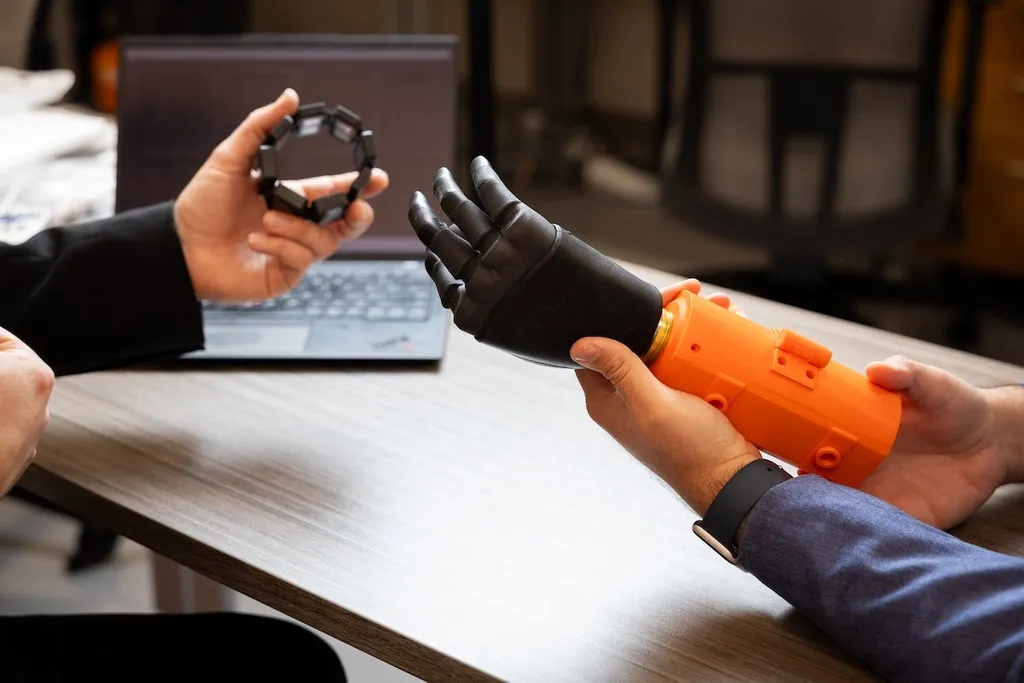
Meta awarded $150,000 in research funding to each of six university teams studying how people learn to control computers using muscle signals, and what ethical issues come with that shift. The grants focus on wrist-based surface electromyography (sEMG), the subtle input method Meta has been developing for its glasses.
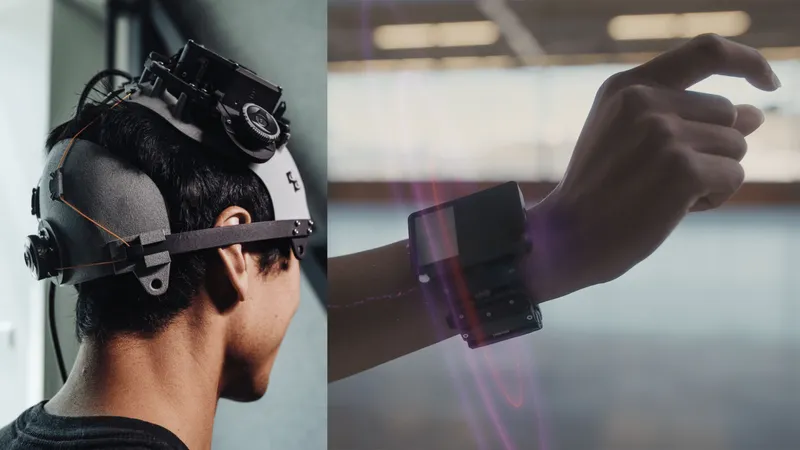
This technology is already in use in the Meta Neural Band that allows subtle hand and finger control of Meta Ray-Ban Display glasses. The wristband shown with Orion also used sEMG sensors to convert almost imperceptible muscle signals into gesture input.
sEMG For Learning And Agency
At the University of British Columbia, researchers are developing sEMG-Talk, a system that uses forearm muscle signals and machine learning to generate speech without using the mouth and throat. The team also plans to build a neuroethics framework around this new form of interaction.
UC Davis is studying how different users learn sEMG controls, comparing more structured instruction with gamified and implicit training. The project also looks at how age, sentiment, and social support shape the learning experience.
The University of South Florida is focused on helping people gain voluntary control over subtle muscle signals that may not produce visible movement. The work will include stroke survivors, while also examining trust, agency, and user preferences.
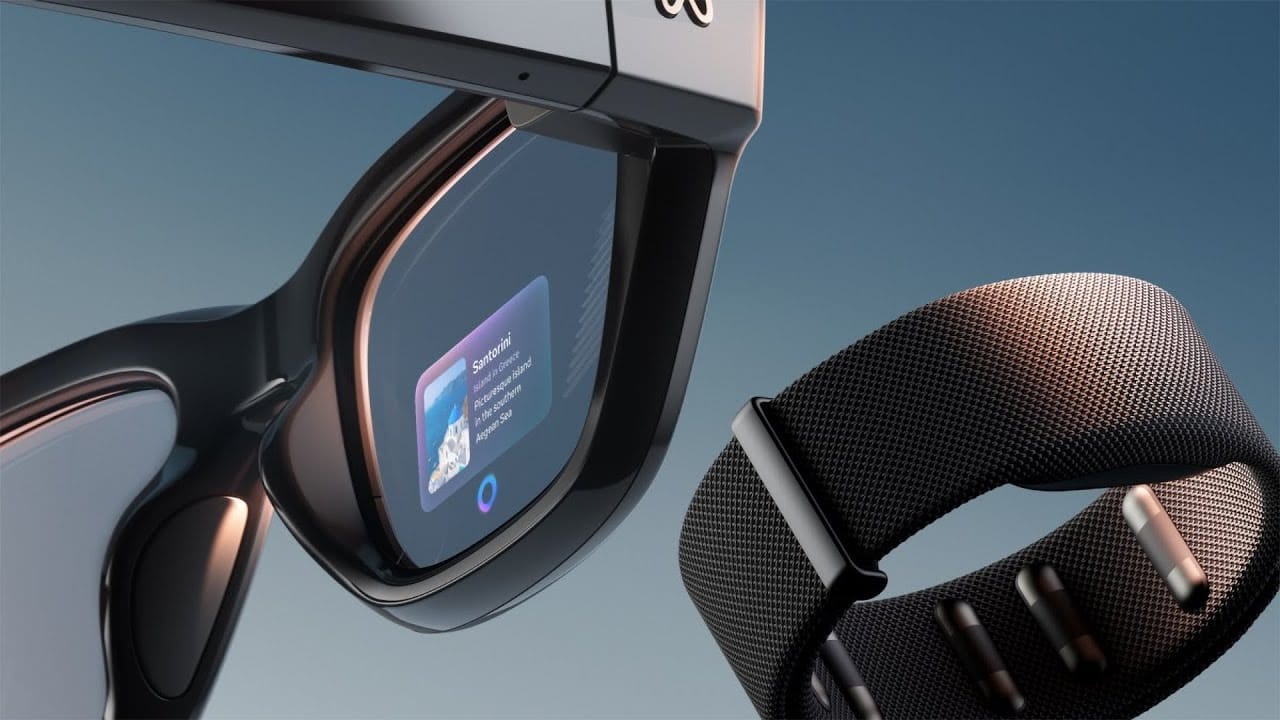
The emphasis on learning makes sense given what we have already seen from EMG wristband gestures, where the challenge goes beyond simply reading signals to making devices feel useful and natural.
From Speech To Higher-Bandwidth Input
Newcastle University is exploring multi-sEMG input that could expand communication bandwidth while fitting alongside normal hand use. The researchers also plan to study attitudes toward large-scale data collection and possible barriers to adoption.
At the University of Central Florida, the focus is on co-adaptive training, where both the user and the system improve together over time. The project also embeds ethics work directly into the engineering process, including questions around privacy, agency, and embodiment.
Northwestern University is comparing gradual skill-building with AI-assisted training that teaches multiple muscle inputs at once. The work includes both non-injured participants and people with stroke or spinal cord injuries, with ethics advisory input built in from the start.
These grants connect with other recent Meta accessibility research, which suggests wrist-based input could promote more inclusive computing.
Why sEMG Research Matters
Meta is treating sEMG as more than just a flashy demo. The company already has a shipping product in Meta Ray-Ban Display and has continued expanding what the wristband can do with features such as handwriting recognition.
These six projects target the harder part, exploring accessibility and ethics while making gestural sensory control learnable, trustworthy, and comfortable enough for everyday use. See Meta’s announcement for more details.