

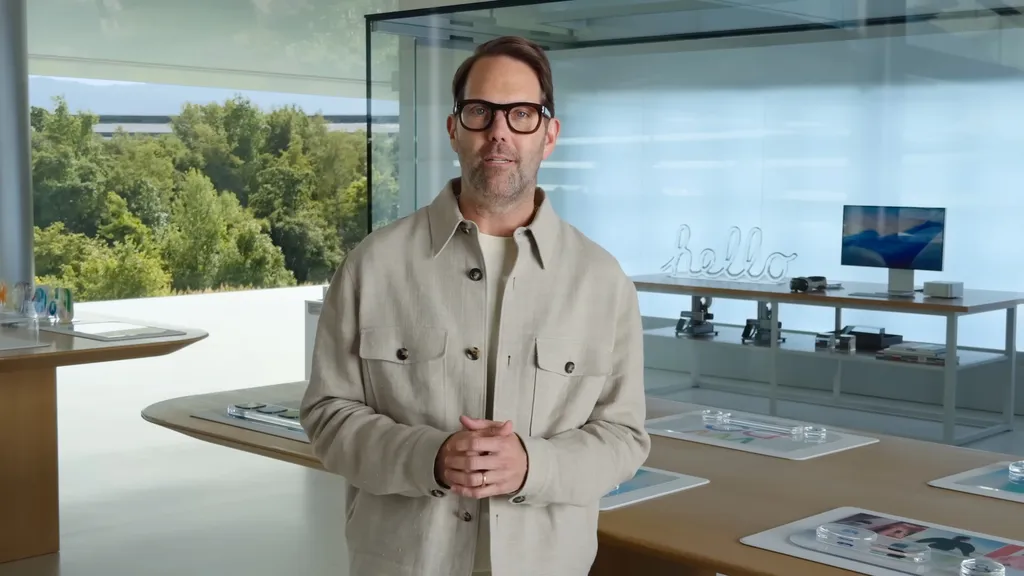
Apple's head of user interface design is leaving the company, after almost 20 years, to lead design at Meta Reality Labs.
Alan Dye joined Apple in 2006, and since 2015 had been the VP in charge of the company's software design, including the user interfaces of its operating systems and the design language it encourages developers to follow. He was a key figure in the iOS 7 redesign and watchOS, and led work on the iPhone X swipe interface, AirPods pairing interface, CarPlay, Dynamic Island, visionOS, and Liquid Glass, as well as key Apple apps like the App Store, Safari, Maps, TV, Notes, and FaceTime.
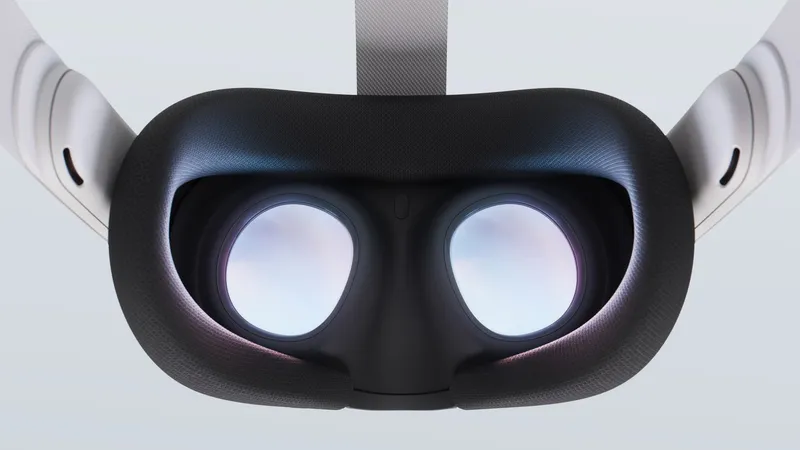
Reality Labs, if you're unaware, is the division of Meta behind its Quest headsets, Horizon software, smart glasses, and sEMG wristband, as well as researching future technologies such as Codec Avatars and AR glasses.
Bloomberg's Mark Gurman first reported Dye's move, and a few hours later Mark Zuckerberg confirmed it in a post on Threads, stating that Meta is forming a new top-level "creative studio".
Dye will be joined by Billy Sorrentino, who was one of his deputies at Apple since 2016, and Joshua To, who previously led interface design at Reality Labs.
Here's Mark Zuckerberg's explanation of the new design studio's role at Meta Reality Labs:
"The new studio will bring together design, fashion, and technology to define the next generation of our products and experiences. Our idea is to treat intelligence as a new design material and imagine what becomes possible when it is abundant, capable, and human-centered. We plan to elevate design within Meta, and pull together a talented group with a combination of craft, creative vision, systems thinking, and deep experience building iconic products that bridge hardware and software."
"We're entering a new era where AI glasses and other devices will change how we connect with technology and each other. The potential is enormous, but what matters most is making these experiences feel natural and truly centered around people. With this new studio, we're focused on making every interaction thoughtful, intuitive, and built to serve people."
The claim that Meta plans to "elevate design" is particularly notable, given that the company's Quest headsets have long been criticized for their confusing, scattered, and clunky user interface. Meta started rolling out a design overhaul earlier this year, but it's still experimental, and far from complete.
We also criticized the interface of Meta Ray-Ban Display in our review, pointing out that it takes far too many swipes and taps to accomplish many common tasks.
 David Heaney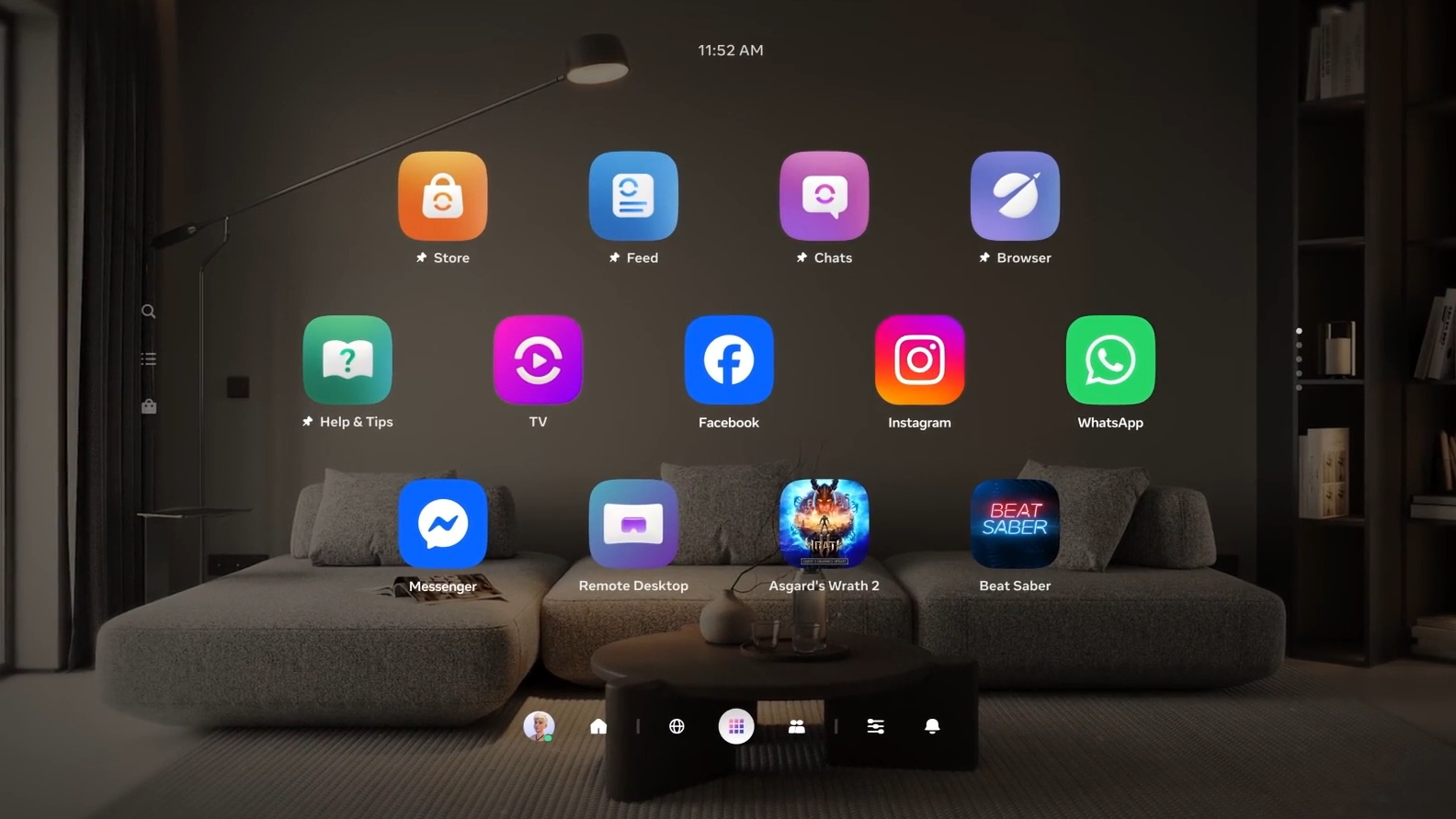
It will likely take years, or at the very least many months, before the results of Dye's new design team arrive in Meta products. But it could, if all goes well, be a crucial ingredient for Meta's hopes to stave off competition from Apple and Google in the smart glasses and XR headsets market as the technology matures and scales to hundreds of millions of users in coming years.
Announcing his departure from Apple in an Instagram story, Dye quoted Steve Jobs: “I think if you do something and it turns out pretty good, then you should go do something else wonderful, not dwell on it for too long. Just figure out what’s next.”